Sustainable fashion is more than just a trend; it’s a movement toward a greener future. As consumers become increasingly conscious of their choices, materials like modal fabric are stepping into the spotlight. But what exactly is modal fabric, and why is it capturing the hearts of eco-conscious shoppers? This soft, luxurious textile promises not only comfort but also an environmentally friendly alternative to traditional fabrics. Join us as we dive into the world of modal fabric and explore its potential to revolutionize sustainable fashion.
Why Modal Fabric is the Future of Sustainable Fashion
The future of sustainable fashion is bright, and modal fabric plays a starring role. This innovative material offers an eco-friendly option that doesn’t compromise on style or comfort. As consumers prioritize sustainability, textiles like modal are gaining attention for their unique properties.
Modal fabric’s silky texture feels incredible against the skin, making it a popular choice for clothing lines focused on luxury and sustainability. Additionally, its biodegradable nature sets it apart from synthetic fabrics that contribute to pollution.
As brands embrace eco-conscious practices, modal fabric aligns perfectly with their goals. It embodies the shift toward responsible fashion while appealing to modern sensibilities.
What is Modal Fabric?
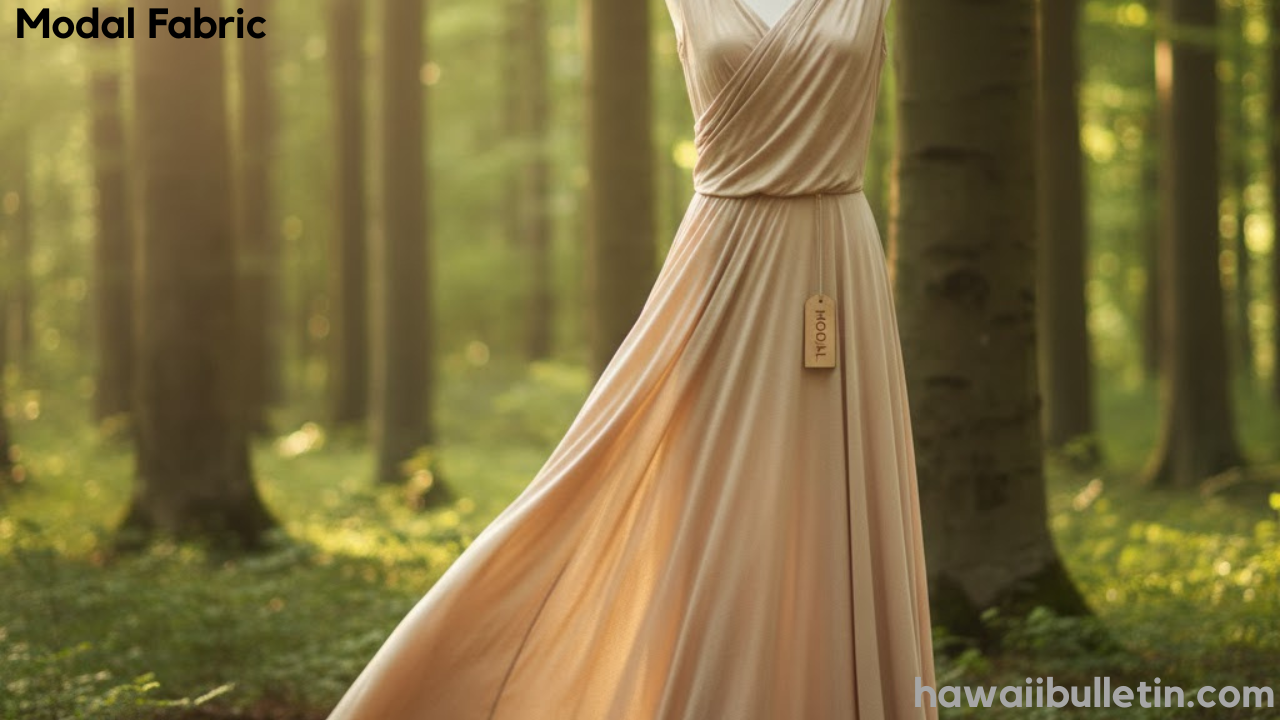
Modal fabric is a semi-synthetic fiber derived from beech trees. Have you ever wondered how something so soft and luxurious can come from nature? The process begins with the wood pulp, which undergoes transformation into fibers through an eco-friendly method.
This enchanting material is known for its smooth texture and vibrant colors. It drapes beautifully on the body, making it a favorite in clothing lines everywhere.
But what sets modal apart? It’s not just about feel; this innovative fabric boasts impressive moisture-wicking properties that keep you comfortable all day long. Curious yet?
Properties of Modal Fabric
Modal fabric is known for its luxurious feel. It’s incredibly soft and smooth, often compared to cotton or silk. The texture invites you to touch it, making it a favorite in fashion.
One striking property of modal is its breathability. This means that wearing garments made from modal can keep you cool and comfortable, even in warm weather.
Additionally, modal boasts impressive moisture-wicking abilities. It absorbs up to 50% more moisture than cotton, which helps keep skin dry during those hot summer days or intense workouts.
Advantages of Modal Fabric
Modal fabric boasts exceptional softness, making it a favorite for those seeking comfort in their clothing. Its silky feel against the skin elevates everyday wear to something luxurious.
Breathability is another standout feature. Modal allows air circulation, keeping you cool and dry even during warm weather. This makes it ideal for activewear or summer dresses.
Durability also shines with modal. It resists shrinking and fading, ensuring your garments maintain their vibrant colors over time. Fashion lovers appreciate that they can enjoy beautiful pieces without constant replacements.
Disadvantages of Modal Fabric
While modal fabric boasts numerous benefits, it’s not without its drawbacks. One major concern is its tendency to shrink after washing. This means that garments may require special care or adjustments over time.
Another issue is that modal can be less durable than other fabrics. It might wear down faster with frequent use, leading to potential replacement costs sooner than expected.
Additionally, the production process for modal involves chemicals that may raise eyebrows among eco-conscious consumers. While these are managed in many cases, transparency around manufacturing practices remains crucial for those committed to sustainability.
Sustainable Aspects of Modal Fabric
Modal fabric is often celebrated for its sustainable qualities. Derived from beech trees, it uses a closed-loop process that minimizes waste and harmful emissions. This means each yard of modal contributes to a healthier planet.
Moreover, the production of modal requires significantly less water compared to cotton. It thrives on renewable resources, making it an eco-friendly alternative in fashion.
Another intriguing aspect? Modal biodegrades more easily than many synthetic fabrics. When you choose garments made from this fiber, you’re not just investing in style but supporting methods that respect our environment.
Modal Fabric Vs. Other Fabrics
When comparing modal fabric to traditional cotton, the differences can be striking. Modal is softer and more breathable, providing a luxurious feel against the skin. Unlike cotton, which often requires pesticides and extensive water use, modal comes from sustainable beech trees.
Then there’s polyester—common but problematic. While it’s durable, its production releases harmful pollutants into our environment. Modal fabric stands out as a biodegradable option that minimizes environmental impact.
What about wool? Wool may provide warmth but lacks the breathability of modal. For those seeking comfort without compromising on sustainability, modal fabric shines brightly in this diverse landscape of textiles.
Modal Fabric: Production and Manufacturing
Modal fabric is made from beech tree pulp, which is a surprising start for such a luxurious material. The production process begins with harvesting the trees sustainably. They’re grown in managed forests to ensure minimal environmental impact.
After harvesting, the wood chips undergo chemical processing to extract cellulose. This cellulose is then spun into fibers through an eco-friendly method that uses less water and energy than traditional fabrics.
The result? A soft and breathable textile that feels amazing against your skin. It’s fascinating how nature transforms into high-quality fashion without compromising sustainability!
Impact of Modal Fabric on the Environment
Modal fabric has a fascinating impact on the environment. Made from beech tree pulp, it demands fewer resources compared to traditional cotton. The trees require minimal water and pesticides, making modal a more eco-friendly choice.
Moreover, the production process for modal is less harmful. It involves closed-loop systems that recycle water and solvents, significantly reducing waste. This method minimizes pollution in waterways.
Additionally, because of its durability and softness, modal garments last longer than many synthetic fabrics. This longevity means fewer replacements over time, contributing positively to sustainable fashion practices as consumers seek quality over quantity.
Certifications for Modal Fabric
When it comes to modal fabric, certifications play a crucial role. They help consumers make informed choices by ensuring the fabric meets specific environmental and ethical standards.
One well-known certification is Oeko-Tex Standard 100, which guarantees that no harmful substances are present in the fabric. This means you can wear your favorite modal garments with peace of mind.
Another important label is the FSC (Forest Stewardship Council) certification. It indicates that the wood pulp used in modal production comes from sustainably managed forests, promoting responsible forestry practices worldwide. Curious about what other certifications exist?
Conclusion
As we delve deeper into sustainable fashion, modal fabric emerges as a star player. Its unique blend of comfort, durability, and eco-friendliness makes it an exciting choice for both consumers and manufacturers.
Imagine wearing clothes that not only feel good but also contribute positively to the planet. The future may just be woven from this remarkable fiber. Will you join the modal movement? Your wardrobe might thank you later!