Chimney Cleaning is one of the most important yet often ignored aspects of home maintenance, especially for houses that use fireplaces, wood stoves, or heating systems connected to a chimney. A clean chimney ensures that smoke, toxic gases, and combustion waste are safely directed outside the home, protecting both the structure and the people living inside. When chimney maintenance is neglected, dangerous substances like soot and creosote build up, increasing the risk of fires, poor air quality, and costly repairs. Understanding the value of proper chimney care helps homeowners maintain safety, comfort, and long-term efficiency.
Understanding the Role of Chimneys in Modern Homes
A chimney is designed to provide a safe pathway for smoke and harmful gases to exit a home. Whenever a fireplace or heating appliance is used, combustion occurs, producing smoke, ash, and gases. These byproducts must be vented out efficiently to prevent them from entering living spaces. A well-functioning chimney supports this process by maintaining proper airflow, also known as draft.
When a chimney is clean and structurally sound, it allows appliances to operate smoothly and efficiently. However, when debris or buildup restricts airflow, the entire heating system suffers. This can lead to smoke backflow, uneven heating, and increased strain on appliances. Over time, these problems can compromise both comfort and safety.
What Happens When Chimneys Are Not Cleaned
Neglecting chimney maintenance can lead to serious problems. One of the most common issues is the accumulation of creosote, a sticky, tar-like substance formed when fuel does not burn completely. Creosote coats the inside of the chimney flue and becomes thicker with repeated use. Because it is highly flammable, even a small spark can ignite it, causing dangerous chimney fires.
In addition to creosote, chimneys often collect soot, ash, and debris such as leaves or animal nests. These obstructions reduce airflow and can cause smoke and gases to enter the home. Moisture buildup further worsens the situation by damaging masonry and metal components, leading to cracks, rust, and structural weakness.
Fire Hazards Linked to Dirty Chimneys
One of the biggest reasons chimney maintenance is essential is fire prevention. Chimney fires can burn at extremely high temperatures and may spread to walls, ceilings, or roofs. Many homeowners are unaware that a chimney fire has occurred because some burn quietly inside the flue, weakening the structure over time.
Regular Chimney Cleaning removes combustible materials before they become a fire risk. This preventive approach dramatically lowers the chances of unexpected fires and protects the overall integrity of the home. Fire safety experts consistently emphasize that routine chimney care is one of the simplest ways to reduce residential fire hazards.
Impact on Indoor Air Quality and Health
A clean chimney plays a major role in maintaining healthy indoor air quality. When chimneys are blocked or dirty, smoke and harmful gases may fail to exit properly. Carbon monoxide, a colorless and odorless gas, is especially dangerous and can accumulate indoors without warning.
Poor ventilation can cause headaches, dizziness, nausea, and long-term health issues. Children, elderly individuals, and those with respiratory conditions are particularly vulnerable. Regular chimney maintenance ensures that gases are safely expelled, reducing health risks and creating a cleaner, more comfortable living environment.
How Chimney Cleaning Improves Energy Efficiency
Energy efficiency is another major benefit of keeping chimneys clean. When airflow is restricted, heating systems must work harder to maintain warmth. This leads to higher fuel consumption and increased energy bills. In contrast, a clean chimney allows for proper combustion, helping appliances produce consistent heat with less effort.
Efficient airflow also reduces wear and tear on heating equipment. Appliances that operate under optimal conditions last longer and require fewer repairs. Over time, the savings from improved efficiency can outweigh the cost of regular maintenance.
The Professional Chimney Cleaning Process
Professional chimney cleaning involves much more than removing visible soot. The process typically begins with a detailed inspection to assess the condition of the flue, liner, firebox, and exterior components. This helps identify creosote buildup, blockages, or structural damage.
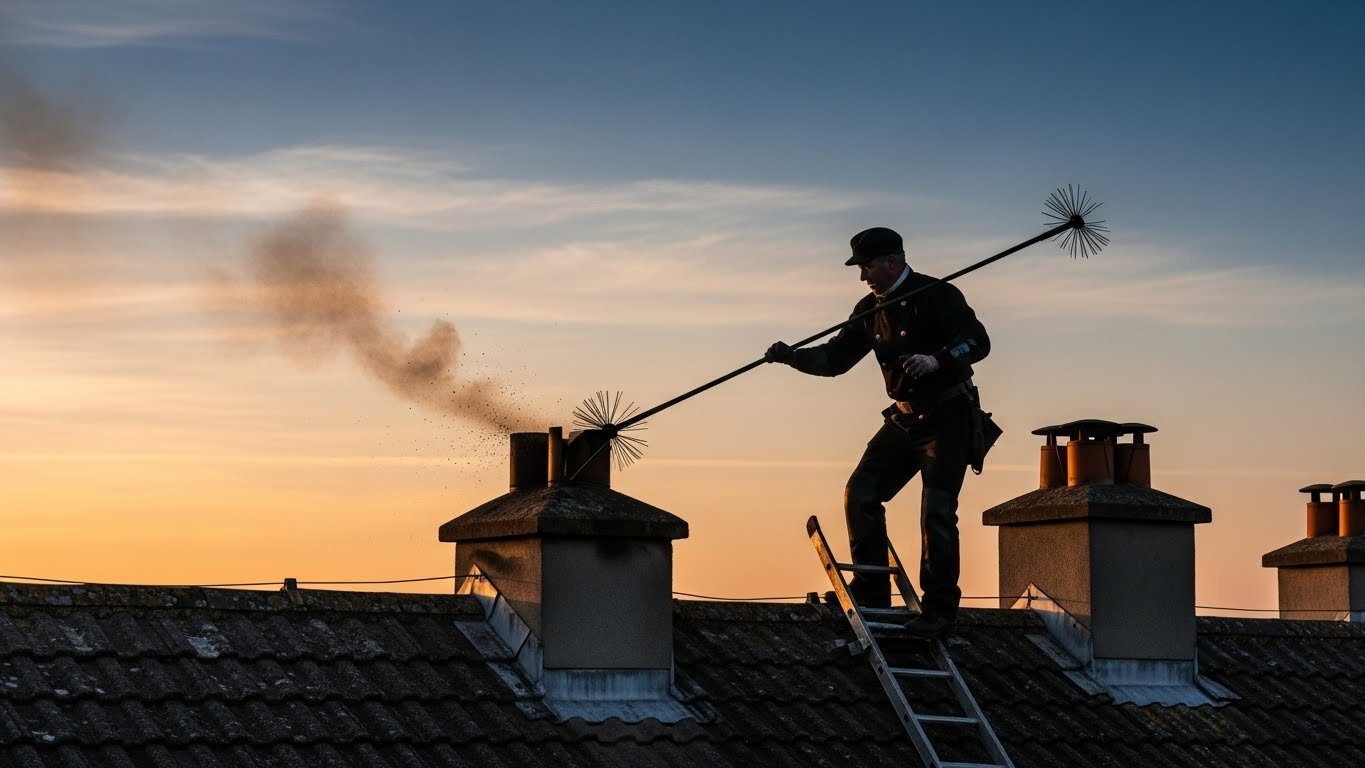
Specialized brushes and rotary tools are then used to loosen deposits from the chimney walls. High-powered vacuums collect debris to prevent mess inside the home. Modern tools and techniques allow for thorough cleaning while protecting the chimney structure. After cleaning, professionals often provide recommendations for repairs or future maintenance if needed.
How Often Should Chimneys Be Cleaned
The frequency of chimney cleaning depends on several factors, including how often the fireplace is used and the type of fuel burned. Wood-burning fireplaces typically require more frequent cleaning because they produce higher levels of creosote. Gas systems produce fewer residues but still need regular inspections to ensure proper venting.
As a general rule, chimneys should be inspected at least once a year and cleaned whenever buildup is present. Homes that rely heavily on fireplaces during colder months may need cleaning more often to maintain safe operation.
Common Warning Signs That Cleaning Is Needed
There are several signs that indicate a chimney may need attention. Strong smoky odors, difficulty starting or maintaining a fire, and smoke entering the room are common indicators of restricted airflow. Visible soot around the fireplace opening also suggests excessive buildup.
Outside the home, cracked bricks, damaged chimney caps, or rusted components may signal moisture-related problems. Water stains near the chimney are another warning sign that should not be ignored. Addressing these issues early helps prevent more serious damage.
Long-Term Financial Benefits of Regular Maintenance
Some homeowners view chimney maintenance as an unnecessary expense, but it is best considered a long-term investment. Preventive care reduces the likelihood of costly repairs, structural damage, and emergency situations caused by fires or carbon monoxide leaks.
Routine Chimney Cleaning also helps preserve the value of a home. A well-maintained chimney system is a sign of responsible ownership and can be an advantage during property inspections or resale.
Seasonal Planning for Chimney Care
Many homeowners choose to schedule chimney cleaning before the heating season begins. This ensures that the system is ready for use and reduces the risk of unexpected issues during peak winter months. Pre-season maintenance also makes scheduling easier, as demand for services is often higher during colder periods.
Post-season inspections are equally valuable. They allow professionals to assess damage caused by heavy use and address moisture concerns during warmer months. Consistent scheduling throughout the year supports long-term safety and efficiency.
Homeowner Practices That Support Chimney Health
While professional services are essential, homeowners can also contribute to chimney health. Burning seasoned, dry wood reduces creosote formation and improves combustion. Avoiding trash, treated wood, or inappropriate materials prevents chemical damage and residue buildup.
Keeping the fireplace area clean and watching for unusual signs helps identify problems early. These simple habits, combined with professional maintenance, create a complete approach to chimney care.
Choosing the Right Chimney Cleaning Expert
Selecting a qualified professional is crucial for effective chimney maintenance. Look for experience, proper training, and a strong reputation for quality work. A reliable provider will offer clear explanations, detailed reports, and honest recommendations based on the chimney’s condition.
Trustworthy professionals focus on safety and long-term performance rather than unnecessary upselling. Choosing the right expert ensures peace of mind and dependable service year after year.
Why Chimney Cleaning Should Never Be Ignored
Chimneys are essential components of safe and comfortable homes, yet they require regular care to perform effectively, which is why professional chimney cleaning should never be ignored. When maintenance is overlooked, soot, creosote, and debris can build up inside the chimney, leading to serious safety hazards, health risks, and costly repairs. Regular inspections and cleaning help prevent chimney fires, improve ventilation, and ensure harmful gases are properly expelled, protecting both the home and its occupants.
By prioritizing chimney cleaning, homeowners invest in safety, efficiency, and long-term value. With consistent care and responsible use, chimneys remain reliable systems that provide warmth and comfort without unnecessary risk.