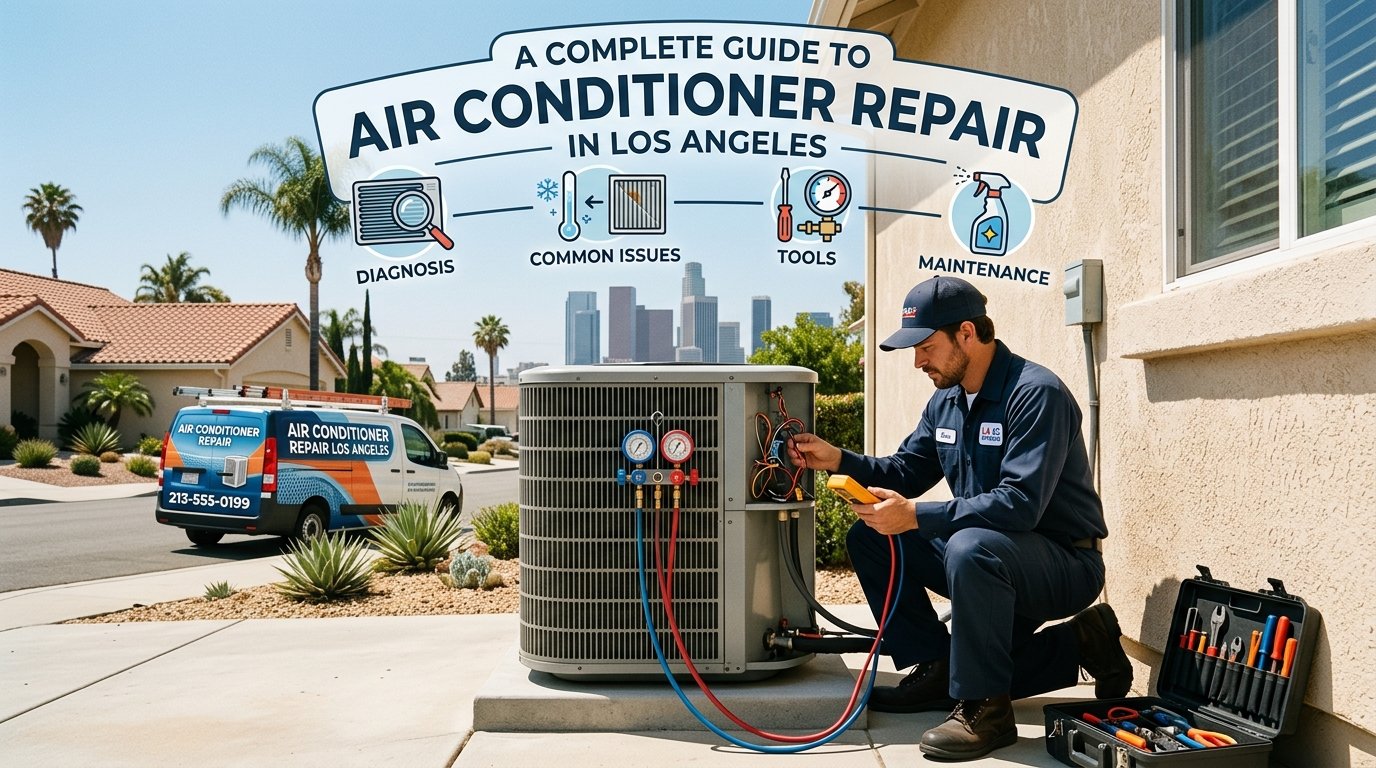
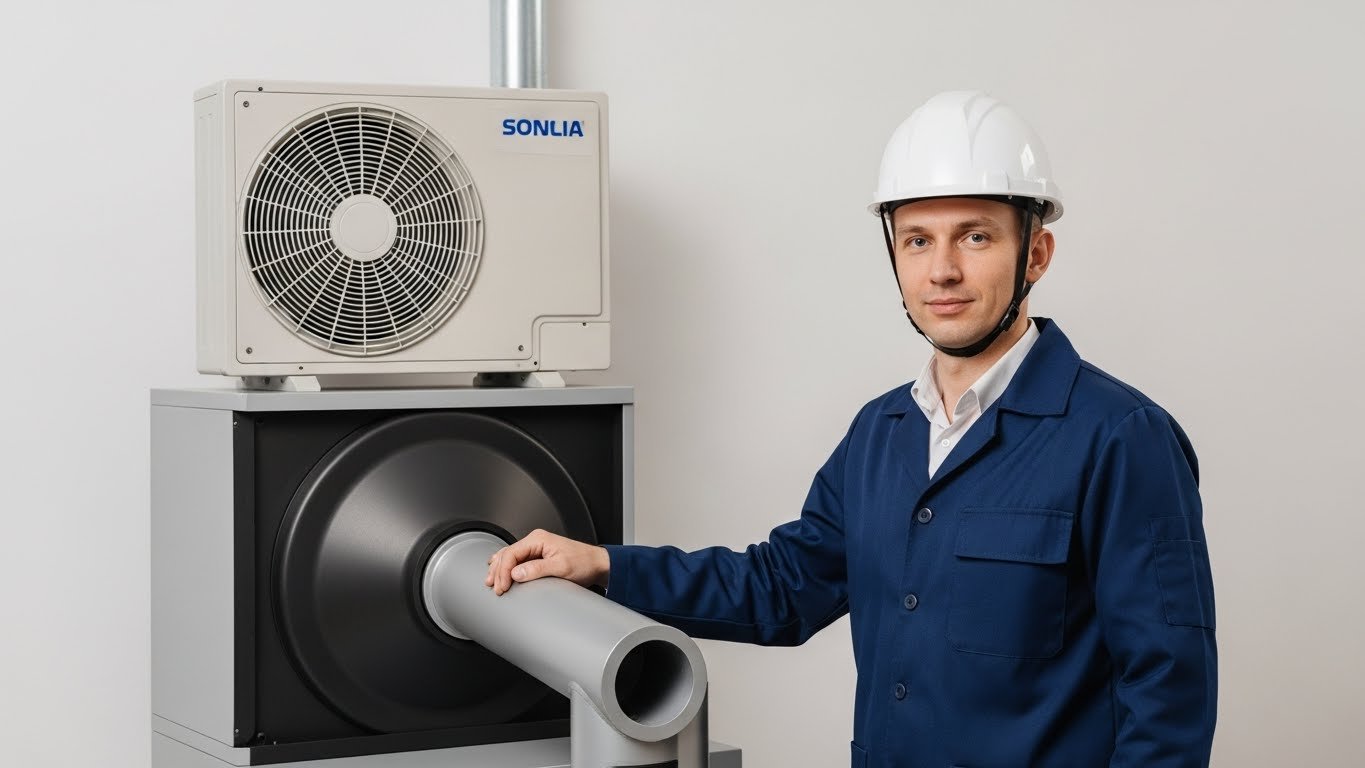
Heat pumps have become a popular choice for homeowners and commercial property managers seeking energy-efficient heating and cooling solutions. Unlike traditional HVAC systems, heat pumps transfer heat rather than generate it, providing both heating and cooling while using significantly less energy. However, the performance, efficiency, and lifespan of a heat pump depend heavily on proper installation. Professional heat pump installation ensures that the system operates at peak efficiency, maintains consistent indoor comfort, and avoids costly repairs or premature replacement.
A correctly installed heat pump not only optimizes energy use but also contributes to environmental sustainability by reducing electricity consumption and greenhouse gas emissions. Conversely, improper installation can lead to frequent system failures, higher utility bills, uneven temperature distribution, and reduced equipment lifespan. Understanding the key aspects of professional installation is crucial for homeowners and facility managers seeking reliable, efficient, and durable heating and cooling solutions.
Proper Sizing and System Selection
One of the most critical steps in professional heat pump installation is selecting the correct system size. Oversized or undersized units can significantly affect performance and energy efficiency. An oversized heat pump may cycle on and off frequently, causing temperature fluctuations, increased wear and tear, and higher energy bills. Conversely, an undersized system may struggle to maintain desired comfort levels, especially during extreme temperatures, resulting in extended run times and additional strain on the unit.
Professional HVAC technicians perform detailed load calculations considering factors such as property square footage, insulation quality, window placement, local climate, and occupant usage patterns. These calculations ensure that the heat pump is matched to the building’s specific heating and cooling needs. Selecting the right model also involves choosing between air-source, ground-source (geothermal), or ductless mini-split systems, each suited for different applications and efficiency goals. Proper sizing and system selection are the foundation of effective heat pump installation, ensuring optimal comfort and energy savings.
Proper Placement and Ductwork Configuration
Placement of the heat pump unit, as well as ductwork configuration, plays a critical role in system efficiency and longevity. Outdoor units should be positioned in well-ventilated areas away from obstructions, excessive dust, or debris, which can impair airflow and reduce performance. Indoor units should be strategically located to allow even distribution of conditioned air throughout the living or working spaces.
For ducted systems, professional installation ensures that ducts are correctly sized, sealed, and insulated to minimize heat loss or gain. Poorly designed ductwork can lead to uneven temperatures, higher energy consumption, and unnecessary strain on the heat pump. Technicians also verify that refrigerant lines, electrical connections, and condensate drains are installed according to manufacturer specifications and building codes. Proper placement and ductwork configuration are essential to maximize system efficiency, maintain consistent comfort, and extend the heat pump’s operational lifespan.
Refrigerant Charge and System Calibration
Accurate refrigerant charge and system calibration are crucial elements of professional heat pump installation. The refrigerant must be charged to precise levels as specified by the manufacturer; overcharging or undercharging can compromise system efficiency, reduce heating or cooling capacity, and increase wear on the compressor. Professional technicians use specialized gauges and tools to verify refrigerant levels, ensuring optimal performance.
System calibration includes adjusting thermostat settings, verifying proper airflow, checking electrical components, and confirming that the unit operates within designed parameters. Proper calibration prevents operational issues, reduces energy waste, and ensures that the heat pump delivers the intended comfort consistently. Regular monitoring and adjustments during installation help prevent long-term maintenance problems and costly repairs.
Energy Efficiency and Cost Savings
One of the primary benefits of professional heat pump installation is maximized energy efficiency. A correctly installed system consumes less electricity while delivering reliable heating and cooling, resulting in lower utility bills and reduced environmental impact. High-efficiency heat pumps, when installed properly, can provide up to 50% energy savings compared to traditional HVAC systems.
Efficiency is influenced by factors such as correct sizing, optimal placement, ductwork design, refrigerant charge, and system calibration. Professional installation ensures that all these elements work together harmoniously, allowing the heat pump to operate at peak performance. Additionally, some installations may qualify for energy rebates or incentives from utility providers or government programs, further increasing the cost-effectiveness of professional installation.
System Longevity and Reduced Maintenance
Proper heat pump installation significantly contributes to the longevity of the system. Incorrect installation can accelerate wear on key components such as compressors, fans, and coils, leading to frequent breakdowns and costly repairs. By ensuring accurate installation, professionals help prevent issues such as refrigerant leaks, electrical malfunctions, and airflow restrictions.
A well-installed heat pump also requires less frequent maintenance, as system components operate under optimal conditions. Preventive maintenance schedules, guided by professional installation standards, further enhance reliability, extend equipment life, and protect the homeowner’s investment. Longevity and reduced maintenance not only provide peace of mind but also maximize the return on investment for both residential and commercial properties.
Choosing the Right Professional Installer
Selecting a qualified HVAC professional for heat pump installation is critical to achieving optimal performance, efficiency, and durability. Experienced technicians should be trained and certified in heat pump installation, familiar with local building codes, and knowledgeable about the specific model being installed.
Reputable installers will perform detailed load calculations, ensure proper placement, ductwork, and refrigerant levels, and provide post-installation testing to confirm system performance. Additionally, professional installers often offer warranties or guarantees on their work, providing additional assurance and protection for property owners. Choosing the right installer ensures that the heat pump system delivers reliable comfort, energy savings, and longevity for years to come.
Conclusion
Professional heat pump installation is essential for ensuring consistent comfort, maximizing energy efficiency, and extending system longevity. Proper sizing, placement, ductwork configuration, refrigerant charge, and system calibration all contribute to optimal performance. By investing in professional installation, homeowners and property managers can enjoy lower utility bills, reduced maintenance costs, and a reliable heating and cooling system that meets the demands of modern living.
With careful planning, expert installation, and ongoing maintenance, heat pumps can provide a sustainable, cost-effective solution for year-round comfort while minimizing environmental impact. Professional installation is not only a matter of convenience—it is a long-term investment in efficiency, reliability, and the overall value of the property.