Standard cleaning is the cornerstone of maintaining clean, safe, and organized spaces in homes, offices, and commercial properties. Unlike deep cleaning, which focuses on intensive cleaning tasks, standard cleaning provides consistent upkeep that ensures surfaces remain free of dust, dirt, and germs. This type of cleaning is essential for health, aesthetics, and property maintenance. Regular standard cleaning not only keeps spaces visually appealing but also prevents long-term damage to furniture, flooring, and appliances. This guide will explore the importance of standard cleaning, effective techniques, common challenges, and the benefits it offers for both residential and commercial environments.
Why Standard Cleaning Is Important
The importance of standard cleaning cannot be overstated. Clean spaces contribute to overall health by reducing allergens, dust, and bacteria, which can trigger respiratory issues and allergies. High-touch areas such as doorknobs, switches, and countertops accumulate germs and should be cleaned regularly to prevent illness. Maintaining a clean environment also promotes comfort and productivity. In offices, clean and organized workspaces enhance employee morale and efficiency, while in homes, it ensures a safe and welcoming environment for residents and guests. Consistent standard cleaning also helps preserve the lifespan of surfaces and furnishings by preventing dirt accumulation and wear, which can lead to costly repairs or replacements over time.
Common Areas Covered in Standard Cleaning
Standard cleaning covers all frequently used areas and high-traffic spaces. Kitchens require special attention, including wiping down countertops, sinks, appliances, and cabinets to remove food particles, grease, and spills. Bathrooms need thorough cleaning and disinfection of sinks, toilets, mirrors, and floors to prevent mold and bacteria buildup. Living rooms, bedrooms, and office spaces require dusting, vacuuming, and organizing to maintain a tidy appearance. Floors are swept, mopped, or vacuumed depending on the surface type, and trash and recycling are collected and removed. High-touch areas such as light switches, door handles, and remote controls are disinfected to reduce the spread of germs. Maintaining these areas consistently ensures a safe, clean, and visually appealing environment.
Techniques for Effective Standard Cleaning
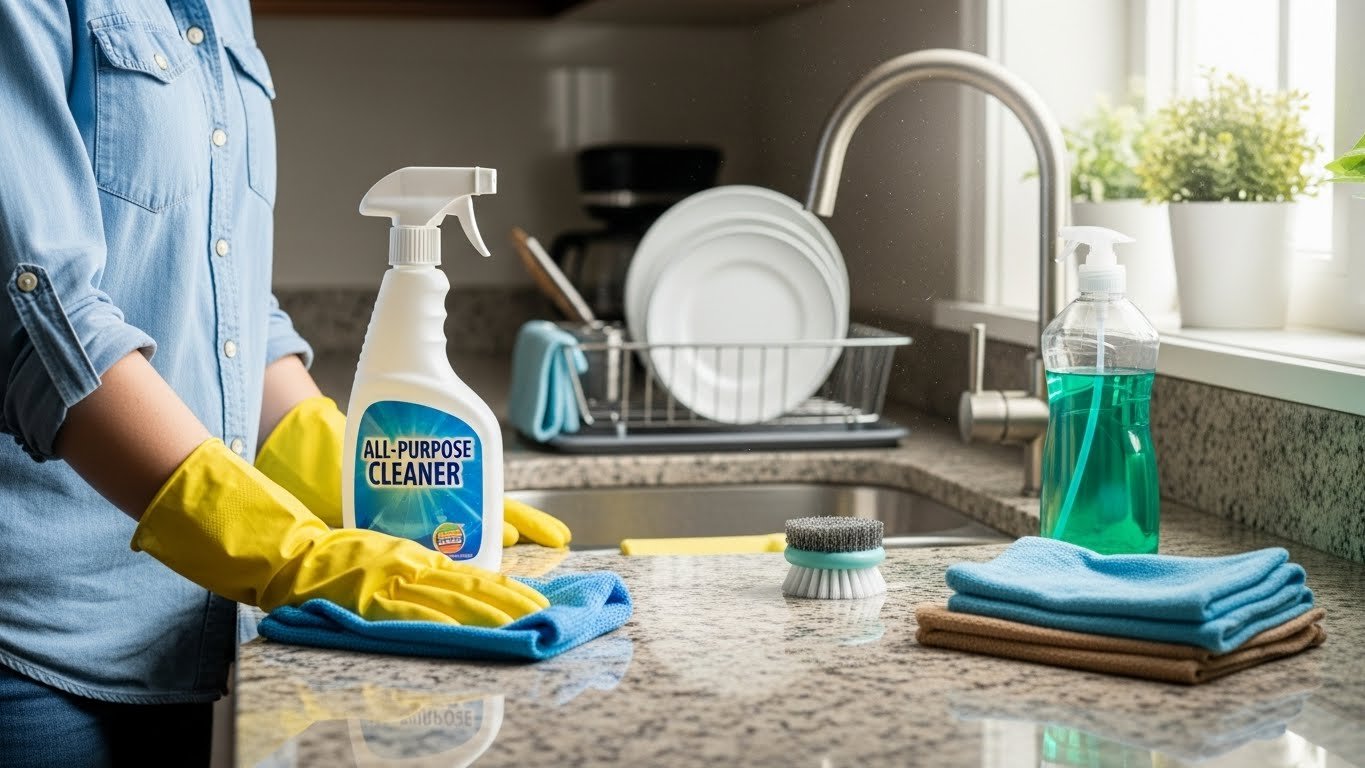
Effective standard cleaning relies on the right combination of tools, cleaning solutions, and techniques. Microfiber cloths and mops are preferred because they trap dust and debris without scratching surfaces. Multipurpose cleaners work on various surfaces, simplifying the cleaning process while maintaining hygiene. Disinfectants should be applied to high-touch areas and surfaces that frequently come into contact with food or bodily fluids. Floor cleaning methods should vary based on the type of surface, whether hardwood, tile, or carpet. Vacuum cleaners with HEPA filters are effective for removing allergens and fine dust particles, while mops and scrubbers can clean hard floors thoroughly. Using a systematic approach, such as top-to-bottom and left-to-right cleaning, ensures no areas are missed, improving efficiency and consistency.
DIY Standard Cleaning Versus Professional Services
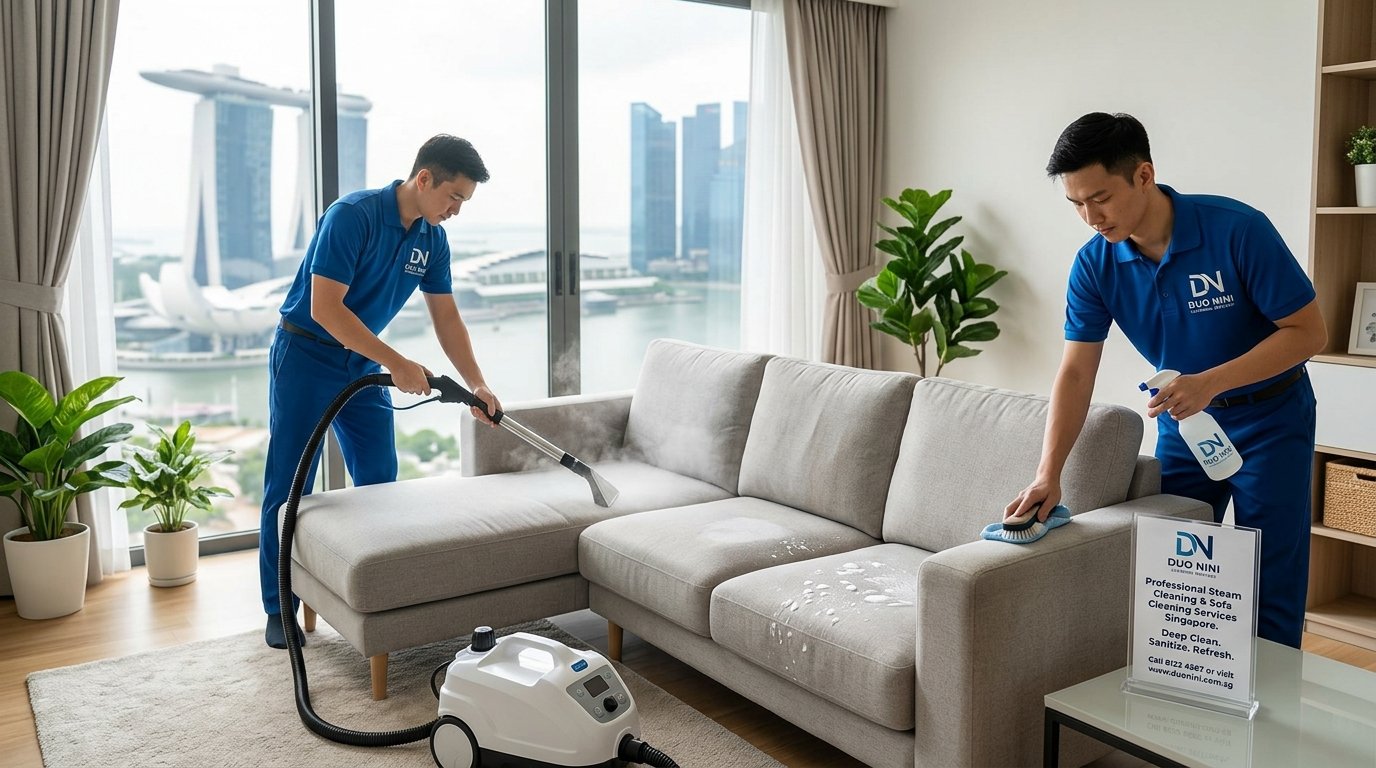
While DIY cleaning is suitable for smaller spaces or less frequent cleaning, professional standard cleaning services provide several advantages. Professionals have access to industrial-grade equipment, specialized cleaning products, and advanced techniques that achieve a higher level of cleanliness. For properties with high foot traffic or multiple units, professionals can complete cleaning tasks more efficiently and with consistent results. Professional services also ensure compliance with hygiene and safety standards, which is particularly important in offices, medical facilities, or rental properties. Utilizing professional services allows property owners to maintain spotless spaces without dedicating significant personal time and effort, ensuring a reliable and thorough cleaning process.
Preventive Measures for Maintaining Cleanliness
Implementing preventive measures reduces the intensity and frequency of standard cleaning. Encouraging occupants to remove shoes indoors helps prevent dirt from spreading across floors. Using protective mats, slipcovers, or liners on high-use furniture and surfaces minimizes wear and tear. Regularly wiping down frequently touched surfaces between scheduled cleaning sessions reduces the buildup of germs and dirt. Organizing furniture, supplies, and storage spaces also makes routine cleaning faster and more effective. Routine inspection of equipment, appliances, and HVAC systems ensures that any maintenance issues are addressed promptly, preventing complications that could compromise cleanliness. These measures enhance the effectiveness of standard cleaning and prolong the life of the property’s interior elements.
Common Misconceptions About Standard Cleaning
Several misconceptions exist regarding standard cleaning. Some property owners believe that visible cleanliness alone is sufficient, but germs, bacteria, and allergens can accumulate on surfaces even when they appear clean. Others assume that standard cleaning is unnecessary if deep cleaning is performed periodically, yet routine upkeep prevents the accumulation of dirt and reduces the frequency of deep cleaning sessions. Another misconception is that standard cleaning only focuses on visible surfaces; in reality, hidden or high-touch areas require consistent attention to maintain proper hygiene. Understanding these misconceptions helps property managers and homeowners implement more effective cleaning practices, ensuring both visible and unseen areas are properly maintained.
Seasonal Cleaning and Maintenance Considerations
Standard cleaning should be complemented by seasonal maintenance to address environmental factors that may affect cleanliness. Spring cleaning may involve dusting hard-to-reach areas, washing windows, and ensuring air vents and filters are free of dust. Summer may require attention to outdoor areas, such as patios, decks, and outdoor furniture, as well as managing high foot traffic and dust accumulation. Fall often brings leaves, dirt, and debris that need to be managed, while winter requires monitoring indoor heating systems, humidity levels, and ventilation to prevent mold and dampness. Incorporating seasonal tasks into a standard cleaning schedule ensures that spaces remain clean, hygienic, and well-maintained year-round.
Tools and Products for Efficient Standard Cleaning
The right tools and products can significantly improve the efficiency and effectiveness of standard cleaning. Microfiber cloths, mops, and dusters provide excellent dust and dirt removal. Vacuum cleaners with HEPA filters are ideal for capturing fine particles and allergens. Multi-surface cleaning sprays, disinfectants, and eco-friendly solutions ensure hygiene without damaging surfaces. Organizers, storage bins, and labeled cleaning supplies streamline the cleaning process and prevent clutter. For surfaces like carpets and upholstery, stain removers, and fabric-safe cleaning agents are recommended. Investing in high-quality tools and cleaning products not only improves results but also makes routine cleaning faster, safer, and more effective.
Benefits of Consistent Standard Cleaning
Consistent standard cleaning offers a wide range of benefits. It maintains a healthy environment by reducing allergens, dust, bacteria, and germs. Clean spaces enhance comfort, safety, and aesthetics for occupants and visitors. Regular cleaning protects floors, furniture, appliances, and equipment, extending their lifespan and reducing repair costs. In commercial spaces, clean environments improve employee productivity, client impressions, and workplace satisfaction. For residential properties, it ensures a comfortable, inviting home. By maintaining a consistent cleaning routine, property owners and managers can enjoy a combination of health, convenience, and financial benefits while keeping their spaces pristine.
Cost and Time Efficiency of Standard Cleaning
One of the overlooked advantages of standard cleaning is cost efficiency. Regular upkeep prevents dirt and damage from accumulating, reducing the need for expensive deep cleaning or repairs. Standard cleaning is faster and requires fewer resources than irregular intensive cleaning, making it a practical solution for homeowners and businesses. Investing in professional services, where necessary, ensures that cleaning is thorough and consistent, saving time and effort for property managers or residents. Over time, the time and financial savings of maintaining a regular cleaning routine outweigh the occasional expense of hiring professional cleaners.
Conclusion
Standard cleaning is a crucial aspect of maintaining clean, safe, and attractive spaces. From kitchens and bathrooms to living areas, offices, and high-touch surfaces, consistent cleaning ensures a hygienic and welcoming environment. While DIY cleaning can suffice for basic upkeep, professional services provide efficiency, expertise, and reliable results, particularly for larger spaces or high-traffic areas. Incorporating preventive measures, seasonal maintenance, and proper techniques enhances the effectiveness of cleaning routines. By prioritizing standard cleaning, property owners and managers can protect their investments, maintain a healthy environment, and enjoy spaces that are both comfortable and visually appealing year-round. Consistent cleaning is not just about aesthetics it is a long-term strategy for health, efficiency, and property value.