Sewage backups and sewer system issues represent more than an unpleasant inconvenience; they pose serious health risks and can cause extensive property damage. When raw sewage enters homes, businesses, or public spaces, it introduces bacteria, viruses, and other harmful pathogens. Immediate and thorough sewer cleanup is essential to protect occupants, preserve structures, and prevent long-term contamination.
This article explores sewer cleanup as a professional service, explaining the steps, techniques, safety considerations, and preventive measures involved. It emphasizes why engaging trained professionals is critical to ensuring that cleanup is comprehensive, safe, and effective.
Understanding the Risks Associated with Sewage Exposure
Sewage contains a complex mixture of wastewater, organic matter, and contaminants. Exposure can cause skin irritation, respiratory problems, gastrointestinal illness, and other serious health concerns. Additionally, untreated sewage can damage floors, walls, plumbing systems, and appliances.
Recognizing the severity of sewage contamination is the first step toward effective remediation. Even small leaks or backups can lead to widespread contamination if not addressed promptly. Professional sewer cleanup mitigates these risks through controlled removal and disinfection procedures.
The Role of a Professional Sewer Cleanup Team
Sewer cleanup requires specialized knowledge, equipment, and techniques that go beyond standard cleaning practices. Professionals assess the extent of contamination, remove sewage safely, and restore affected areas to sanitary conditions.
A trained sewer cleanup team is familiar with local health regulations, understands proper handling of hazardous waste, and employs strategies to prevent secondary contamination. Their expertise ensures that both the immediate mess and the underlying risks are fully addressed.
Initial Assessment and Site Evaluation
The first step in sewer cleanup is a thorough assessment of the affected area. Professionals identify the source of the backup, measure contamination levels, and evaluate damage to structures and materials.
This assessment informs the cleanup plan, ensuring that appropriate safety measures, tools, and remediation techniques are deployed. Without a clear understanding of the situation, cleanup efforts can be inefficient or even unsafe.
Containment and Safety Precautions
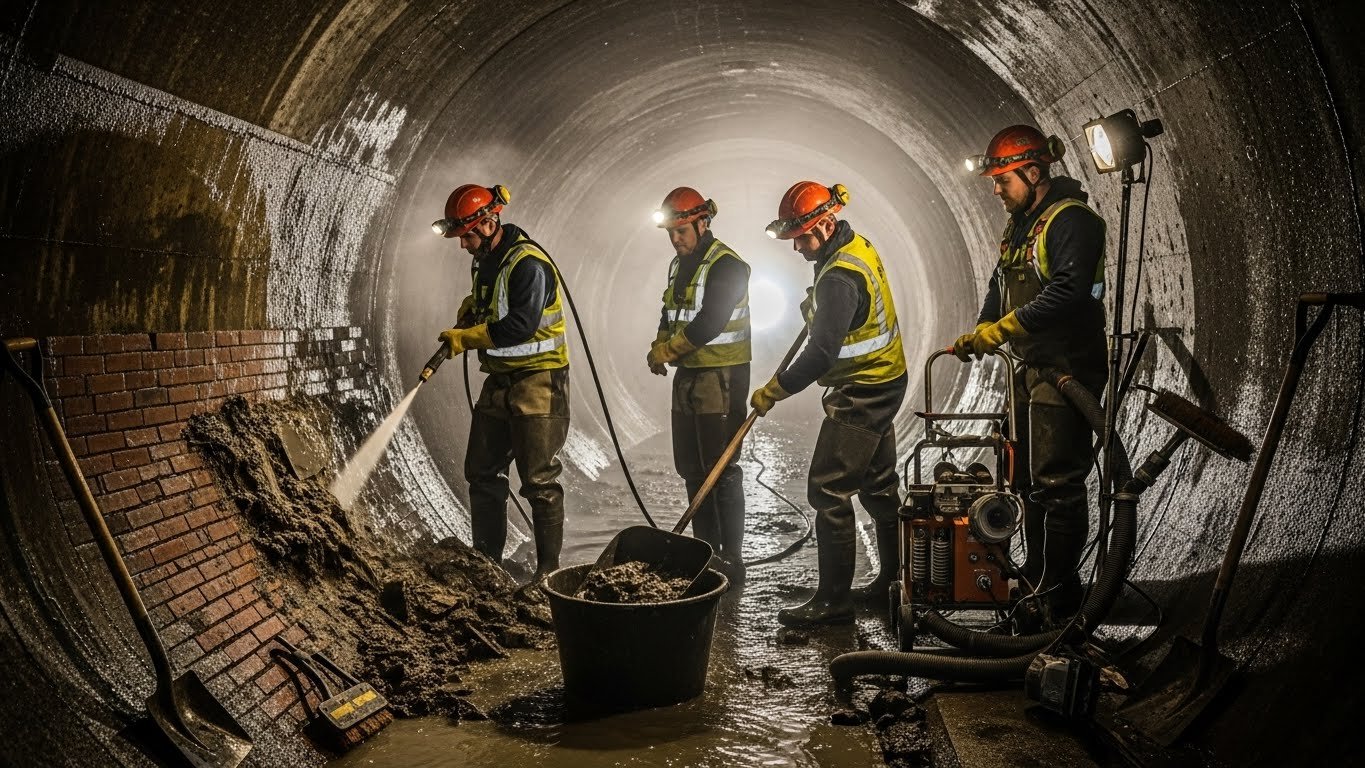
Containment is essential during sewer cleanup to prevent the spread of pathogens and contamination. Professionals establish barriers around affected areas, use negative air pressure if needed, and seal off unaffected zones.
Proper personal protective equipment (PPE), including gloves, masks, protective suits, and eye protection, is mandatory to safeguard personnel. Containment and safety measures protect both workers and occupants from exposure to harmful bacteria and viruses.
Removal of Sewage and Contaminated Materials
Effective sewer cleanup involves removing sewage and materials that have been heavily contaminated. This may include:
- Pumping and extracting sewage: Specialized equipment ensures that liquid waste is safely removed.
- Disposal of porous materials: Carpeting, insulation, drywall, and other absorbent items may require removal to prevent long-term contamination.
- Cleaning non-porous surfaces: Floors, tiles, and metal surfaces are sanitized using EPA-approved disinfectants.
Removing contaminated materials promptly prevents mold growth, odors, and structural damage, while creating a safe environment for further restoration.
Cleaning, Disinfection, and Deodorization
After sewage removal, professional teams clean and disinfect affected areas thoroughly. High-strength cleaners, antimicrobial solutions, and sanitizing agents eliminate pathogens and reduce health risks.
Odor control is also a key component. Professional deodorization techniques neutralize lingering smells, improving indoor air quality and creating a more comfortable environment. Proper ventilation and drying equipment are often used to complete this stage effectively.
Drying and Moisture Control
Sewage incidents often saturate building materials, creating conditions that promote mold and bacterial growth. Effective sewer cleanup includes thorough drying using industrial-grade dehumidifiers, air movers, and ventilation systems.
Controlling moisture is essential to prevent secondary contamination and long-term damage. Professionals monitor humidity levels and ensure that affected areas are completely dry before finishing restoration efforts.
Restoration and Structural Repairs
In addition to cleaning and disinfecting, sewer cleanup in Henderson often involves repairing or replacing damaged structures. Drywall, flooring, cabinets, and plumbing components may require restoration to return the property to pre-contamination conditions.
Professional teams coordinate with contractors and specialists to ensure that repairs are carried out efficiently and according to safety standards. Proper restoration completes the cleanup process and safeguards the property against future issues.
Health Considerations During Sewer Cleanup
Exposure to sewage can lead to serious short-term and long-term health effects. Professional sewer cleanup reduces the risk of infection and ensures that pathogens are removed safely.
Individuals involved in cleanup should avoid contact with contaminated materials and maintain hygiene practices. Even with proper precautions, the presence of trained professionals is critical to ensure a safe and sanitary environment.
Preventive Measures and Maintenance
Preventing future sewer problems is as important as cleaning up existing incidents. Professionals may recommend:
- Regular inspection of plumbing systems: Detecting potential blockages or leaks early.
- Installation of backflow prevention devices: Reducing the risk of sewage backup.
- Proper maintenance of drains and sewer lines: Ensuring that waste flows efficiently.
- Monitoring water usage and drainage patterns: Identifying potential risks before they become emergencies.
A proactive approach minimizes the likelihood of recurring sewage issues and supports long-term safety and functionality.
The Value of Professional Expertise
Sewer cleanup is a high-risk, complex process that requires specialized knowledge and equipment. Engaging a trained professional ensures that:
- Contamination is fully addressed.
- Health risks are minimized.
- Property is restored efficiently and safely.
- Compliance with local regulations is maintained.
Attempting to manage sewage incidents without professional support can exacerbate damage, create health hazards, and result in incomplete remediation.
Sewer Cleanup as a Critical Investment in Safety and Property
Timely and effective sewer cleanup protects both people and property. By removing contaminants, sanitizing affected areas, and restoring structures, professionals prevent long-term damage and safeguard indoor environments.
Investing in expert sewer cleanup also reduces liability and ensures that properties remain safe and habitable. Whether for residential, commercial, or industrial settings, professional intervention is the most reliable way to manage sewage emergencies.
Conclusion:
Sewer incidents demand immediate, thorough, and professional attention. From assessment and containment to removal, disinfection, drying, and restoration, every stage of sewer cleanup is critical for protecting health and property.
Working with trained professionals ensures that contamination is managed safely, effectively, and in compliance with industry standards. Comprehensive sewer cleanup in Henderson is not merely a response to a messy situation, it is a vital investment in long-term safety, sanitation, and the integrity of indoor environments.