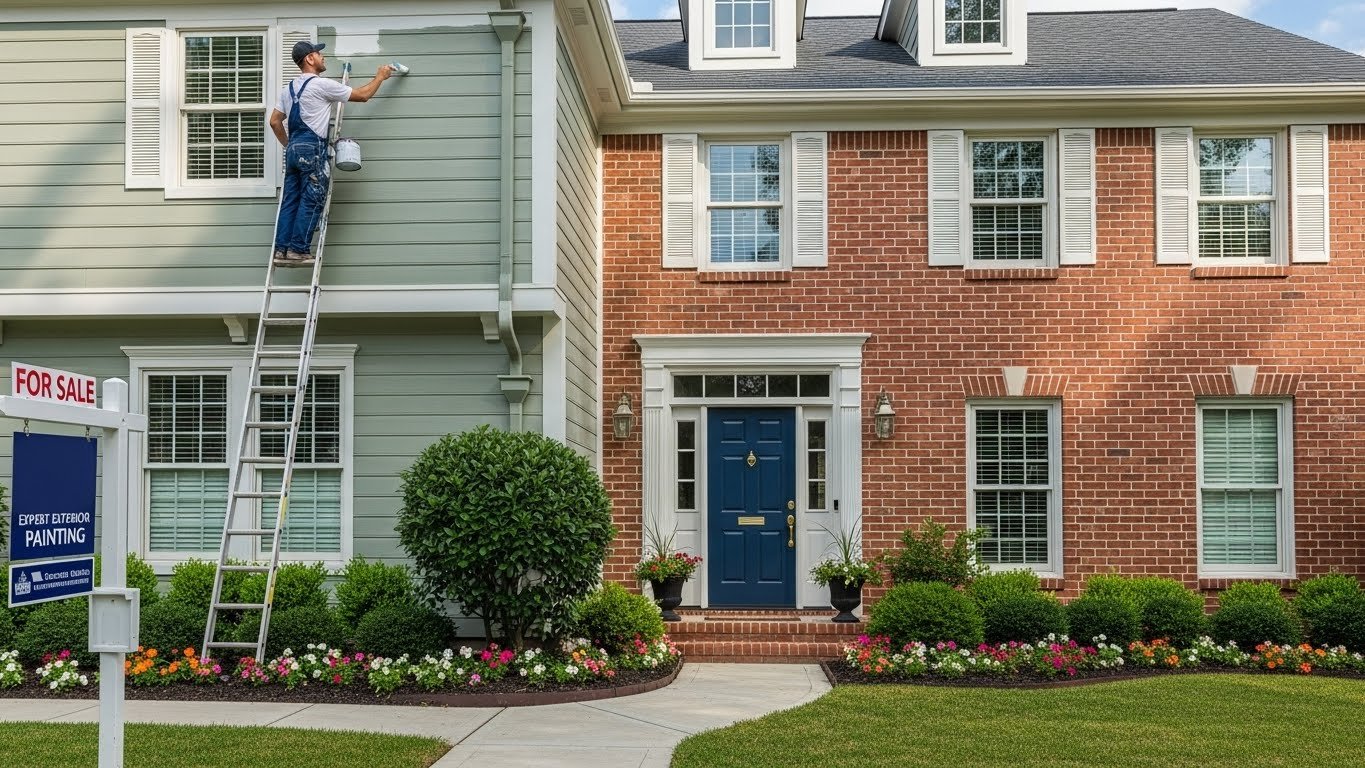
A building’s exterior is the first story it tells the world. Long before anyone steps inside, the outside surfaces communicate care, durability, and character. Paint plays a central role in that narrative, not only by adding color but also by protecting materials from weather, time, and environmental stress. When homeowners or property managers decide to refresh or restore an outdoor façade, they are investing in far more than aesthetics. They are strengthening the structure, extending its lifespan, and preserving its value. Working with an experienced exterior painter ensures that this investment is guided by skill, planning, and a deep understanding of materials.
Why Exterior Painting Is More Than a Cosmetic Choice
Many people initially approach exterior painting as a visual upgrade. While curb appeal is undeniably important, the functional benefits are just as critical. Outdoor surfaces face constant exposure to sunlight, rain, wind, humidity, and temperature changes. Over time, these elements can break down wood fibers, corrode metal, and weaken masonry. A properly applied coating acts as a protective barrier that slows deterioration and prevents costly structural issues.
Paint also helps regulate moisture. When applied correctly, it seals small gaps and pores that might otherwise absorb water. This reduces the risk of rot, mold, and mildew. In climates with strong sunlight, high-quality exterior coatings can reflect ultraviolet rays, preventing fading and reducing surface temperature. These benefits combine to create a safer, stronger, and more resilient building envelope.
Understanding Surface Preparation and Its Importance
Preparation is the foundation of any successful exterior paint project. Without it, even the most expensive paint will fail prematurely. Proper preparation begins with a thorough inspection of all surfaces. Cracks, peeling areas, stains, and signs of moisture intrusion must be identified and addressed before painting begins.
Cleaning is the next essential step. Dirt, dust, algae, and chalky residue can prevent paint from adhering properly. Power washing or gentle hand washing removes these contaminants, creating a clean surface ready to accept new coatings. After cleaning, repairs are completed. This may include filling cracks, replacing damaged boards, sanding rough areas, and priming exposed surfaces. Each of these steps contributes to a smooth, even finish that lasts for years.
Skipping or rushing preparation is one of the most common reasons exterior paint jobs fail. When preparation is done correctly, the final result looks better, performs better, and stands the test of time.
Choosing the Right Paint for Outdoor Conditions
Not all paints are created equal, especially when it comes to outdoor use. Exterior paints are specifically formulated to withstand harsh environmental conditions. They contain additives that improve flexibility, allowing the paint to expand and contract with temperature changes without cracking. They also include mildewides to resist biological growth and pigments designed to resist fading.
Selecting the right type of paint depends on the surface material. Wood, stucco, brick, metal, and composite siding all have unique characteristics and requirements. The finish level also matters. Flat finishes can hide surface imperfections, while satin or semi-gloss finishes are easier to clean and often more durable. Color selection should consider both personal preference and practical factors such as heat absorption and neighborhood harmony.
An experienced professional understands how to balance these considerations and recommend products that align with both aesthetic goals and long-term performance.
The Role of Technique in Achieving Lasting Results
Application technique plays a major role in the quality and longevity of an exterior paint job. Brushing, rolling, and spraying each have advantages depending on the surface and project scope. Brushing allows for deep penetration into wood grain, rolling provides consistent coverage on large flat areas, and spraying can deliver a smooth finish on complex surfaces when done correctly.
Equally important is timing. Weather conditions must be carefully monitored. Painting in extreme heat, cold, or humidity can compromise adhesion and drying. Professionals plan projects around optimal conditions, ensuring each coat cures properly. They also apply paint at the correct thickness, avoiding issues such as sagging, blistering, or uneven coverage.
When skill, timing, and technique come together, the result is a finish that looks refined and performs reliably for years.
Safety Considerations in Exterior Painting Projects
Exterior painting often involves working at heights, handling equipment, and using chemical products. Safety is a critical aspect that should never be overlooked. Proper ladder setup, scaffolding use, and fall protection are essential when working on multi-story buildings. Protective gear such as gloves, masks, and eye protection helps reduce exposure to fumes and debris.
Lead paint is another important consideration, particularly in older structures. Regulations require specific procedures for testing, containment, and disposal when lead-based paint is present. Trained professionals are familiar with these requirements and follow them carefully to protect occupants, workers, and the surrounding environment.
By prioritizing safety, painting projects can proceed smoothly without unnecessary risk or disruption.
Planning and Project Management for Smooth Execution
A successful exterior painting in Gainesville project requires thoughtful planning. This begins with setting clear goals and expectations. Homeowners and property managers should consider the desired outcome, timeline, and budget. Clear communication ensures that everyone involved understands the scope of work and the sequence of steps.
Project management includes coordinating surface preparation, material delivery, and application schedules. It also involves contingency planning for weather delays or unexpected repairs. A structured approach minimizes downtime and keeps the project moving efficiently. Attention to detail during planning often makes the difference between a stressful experience and a smooth, satisfying one.
Environmental Responsibility and Modern Paint Solutions
Sustainability has become an important consideration in construction and maintenance projects, including exterior painting. Many modern paints are formulated with low or zero volatile organic compounds, reducing environmental impact and improving air quality. These products perform just as well as traditional options while being safer for people and the planet.
Proper disposal of leftover paint and materials is another aspect of environmental responsibility. Professionals follow guidelines for recycling or disposing of products in an environmentally sound manner. By choosing sustainable options and responsible practices, property owners can reduce their ecological footprint without compromising quality.
Evaluating Quality and Long-Term Value
The true measure of an exterior paint job is not how it looks on the first day, but how it performs over time. Quality workmanship results in even color, strong adhesion, and resistance to peeling or fading. Regular inspections and minor maintenance can further extend the life of the paint, delaying the need for future repainting.
Investing in skilled labor and quality materials often leads to long-term savings. While the upfront cost may be higher, the reduced need for repairs and repainting offsets the initial expense. When evaluating options, it is important to consider overall value rather than focusing solely on short-term cost.
Choosing a qualified exterior painter brings experience, accountability, and a commitment to quality that protects both the appearance and integrity of the property.
Common Mistakes to Avoid in Exterior Painting
Understanding common pitfalls can help property owners make better decisions. One frequent mistake is choosing paint based solely on price rather than performance. Lower-quality products may require more frequent repainting, ultimately costing more. Another mistake is neglecting surface preparation, which undermines even the best paint.
Ignoring weather conditions is also a common issue. Painting during unsuitable conditions can lead to premature failure. Finally, attempting complex projects without proper experience or equipment can result in uneven finishes and safety hazards. Awareness of these challenges highlights the importance of expertise and careful planning.
Maintaining Painted Surfaces Over Time
Once an exterior has been freshly painted, maintenance becomes the key to longevity. Simple practices such as periodic cleaning, inspecting for damage, and addressing small issues early can significantly extend the life of the paint. Touch-ups on areas exposed to heavy wear or weather help maintain a consistent appearance and prevent larger problems from developing.
Seasonal inspections are especially useful. Checking after harsh weather can reveal issues such as cracks or peeling that should be addressed promptly. With consistent care, a well-painted exterior can remain attractive and protective for many years.
The Lasting Impact of Professional Craftsmanship
Exterior painting is a blend of art and science. It requires an understanding of materials, weather, and technique, as well as an eye for color and detail. When done correctly, it enhances both the beauty and resilience of a building. The transformation can be dramatic, but the true value lies in the protection and durability that come with expert workmanship.
Working with a trusted exterior painting in Gainesville ensures that every stage of the process, from preparation to final inspection, is handled with care and precision. The result is an exterior that not only looks impressive but also stands strong against the elements, preserving the structure and its value well into the future.