
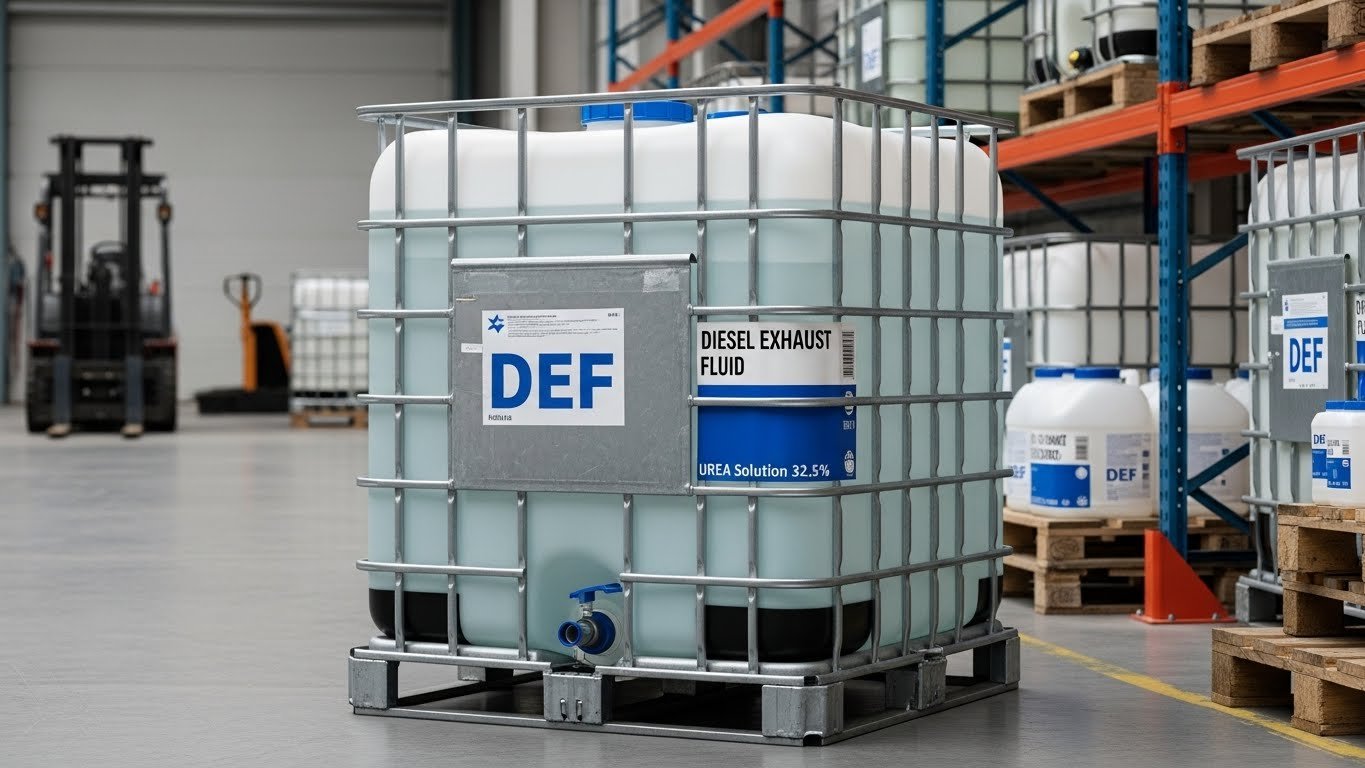
The transportation and logistics industries have seen significant advancements in emission control technologies over the past decade, with diesel engines becoming cleaner and more efficient due to stringent environmental regulations. One of the critical components of this transformation is Diesel Exhaust Fluid (DEF), a solution designed to reduce harmful nitrogen oxide (NOx) emissions from diesel engines. For fleet operators and large-scale diesel users, procuring bulk diesel exhaust fluid is increasingly essential, offering both economic and operational advantages while ensuring compliance with environmental standards.
Diesel Exhaust Fluid is a high-purity solution composed of urea and deionized water. It is injected into the selective catalytic reduction (SCR) system of diesel engines, where it converts NOx emissions into harmless nitrogen and water vapor. This process significantly reduces the environmental impact of diesel engines, allowing trucks, buses, and heavy machinery to meet stringent emission standards set by regulatory bodies worldwide. Understanding the role of DEF, its storage requirements, and the benefits of purchasing it in bulk is crucial for operators managing large fleets.
Importance of Diesel Exhaust Fluid
The primary purpose of Diesel Exhaust Fluid is to reduce harmful emissions from diesel engines. Diesel engines are known for their efficiency and power, but they produce NOx, which contributes to air pollution and smog formation. DEF works as part of the SCR technology to neutralize these emissions, ensuring that vehicles comply with regulations like the U.S. Environmental Protection Agency’s Tier 4 standards or the Euro 6 standards in Europe.
For fleet operators, maintaining a consistent supply of DEF is not only about compliance but also about operational reliability. Modern diesel engines are designed to monitor DEF levels actively. Running out of DEF can result in reduced engine performance, error codes, or even vehicle shutdown in some cases. Procuring bulk diesel exhaust fluid ensures uninterrupted operations, minimizes downtime, and reduces the risk of non-compliance penalties.
Advantages of Bulk Diesel Exhaust Fluid
Purchasing Diesel Exhaust Fluid in bulk offers multiple advantages for businesses managing large fleets or industrial diesel machinery. First and foremost, bulk procurement provides significant cost savings. Buying DEF in large quantities typically reduces the per-gallon price compared to smaller containers, making it a more economical option for businesses that consume high volumes of the fluid.
In addition to cost savings, bulk DEF purchases simplify logistics and inventory management. Rather than managing numerous small containers, operators can maintain a centralized storage system with larger tanks or IBCs (Intermediate Bulk Containers), reducing handling time and the risk of spills or contamination. This centralized approach also allows for better monitoring of usage patterns, enabling operators to plan resupply schedules efficiently and avoid last-minute shortages.
Bulk DEF is particularly advantageous for industries that operate 24/7, such as long-haul trucking, construction, and public transportation. Having an on-site supply ensures that vehicles and machinery can operate without interruption, maintaining productivity and supporting deadlines. For companies with multiple depots or service centers, bulk supply contracts often include delivery schedules and support, further enhancing operational efficiency.
Storage and Handling Considerations
Proper storage and handling of Diesel Exhaust Fluid are critical to maintaining its effectiveness. DEF is highly sensitive to contamination and temperature extremes. It must be stored in clean, non-metallic containers to prevent chemical reactions that could degrade the solution. Ideal storage temperatures range between 12°F and 86°F (-11°C to 30°C), as freezing or excessive heat can alter the chemical composition.
When purchasing bulk diesel exhaust fluid, operators should invest in storage solutions designed for DEF, such as dedicated DEF tanks or IBCs with temperature control options. These systems prevent contamination, simplify dispensing, and ensure that DEF remains ready for use at all times. Handling procedures should also include protective measures, as DEF can be corrosive to certain metals and should not come into contact with engine parts other than those designed for DEF injection.
Applications Across Industries
Diesel Exhaust Fluid is widely used across multiple industries that rely on diesel-powered engines. The transportation sector, particularly trucking and logistics, is one of the largest consumers. Long-haul trucks equipped with SCR technology rely on DEF to meet emission standards while maintaining fuel efficiency. Bulk DEF allows trucking companies to streamline their operations and reduce costs associated with frequent small-scale purchases.
Public transportation systems, including buses and municipal vehicles, also depend on DEF to comply with emission regulations and reduce environmental impact. Similarly, construction equipment, agricultural machinery, and mining vehicles utilize DEF to maintain compliance while operating in harsh conditions. By investing in bulk diesel exhaust fluid, businesses across these sectors ensure consistent availability, operational reliability, and regulatory compliance.
Environmental Benefits
The environmental advantages of using Diesel Exhaust Fluid cannot be overstated. NOx emissions contribute significantly to air pollution, smog formation, and respiratory health issues. By converting NOx into nitrogen and water, DEF reduces the harmful environmental footprint of diesel engines. For companies and municipalities aiming to meet sustainability goals, implementing SCR technology with DEF is a practical and effective solution.
Using bulk DEF also minimizes packaging waste. Fewer small containers mean less plastic, reduced transportation emissions, and lower overall environmental impact. Centralized storage and careful handling practices further ensure that DEF is used efficiently, supporting both environmental responsibility and operational cost-effectiveness.
Choosing a Reliable Bulk Supplier
Selecting a reputable supplier for bulk diesel exhaust fluid is essential for businesses that rely on consistent quality and timely delivery. High-quality DEF should meet ISO 22241 standards to ensure purity, performance, and compatibility with SCR systems. A reliable supplier also provides technical support, flexible delivery schedules, and guidance on storage and handling practices.
Partnerships with trusted DEF suppliers offer additional benefits, such as bulk pricing, volume discounts, and coordinated logistics solutions. Companies can develop long-term contracts to secure supply, reduce procurement risks, and streamline operations across multiple facilities or locations. Reliable suppliers also provide documentation and certification, which is particularly important for regulatory compliance audits.
Economic and Operational Considerations
Investing in bulk Diesel Exhaust Fluid is both an economic and operational decision. By reducing per-unit costs and minimizing the frequency of deliveries, businesses can improve their bottom line while ensuring uninterrupted vehicle operation. Bulk storage solutions reduce labor costs associated with handling multiple smaller containers, decrease the risk of spills and contamination, and enhance overall inventory management.
Operationally, having an on-site DEF supply improves fleet efficiency. Vehicles remain compliant, downtime is minimized, and logistics managers can better plan maintenance and refueling schedules. The combination of cost savings, environmental compliance, and operational efficiency makes bulk DEF a strategic investment for companies that rely heavily on diesel-powered fleets.
Conclusion
Diesel Exhaust Fluid is an indispensable component of modern diesel engines, supporting emission reduction, regulatory compliance, and environmental responsibility. For fleet operators, industrial users, and municipalities, procuring bulk diesel exhaust fluid offers significant advantages, including cost savings, operational efficiency, and reliable availability. Proper storage, handling, and sourcing from reputable suppliers are essential to maintaining DEF quality and ensuring that vehicles and machinery operate optimally.
The adoption of bulk DEF not only benefits businesses economically but also contributes to broader environmental goals by reducing NOx emissions and minimizing packaging waste. As diesel engines continue to evolve and emission standards become stricter, bulk Diesel Exhaust Fluid will remain a critical solution for companies aiming to maintain efficient, compliant, and sustainable operations.
By investing in bulk DEF, businesses can ensure that their fleets remain roadworthy, emissions are controlled, and operational continuity is maintained, all while supporting environmental responsibility and cost-effectiveness.