Shingle roofing remains one of the most widely chosen roofing options for residential and light commercial properties due to its durability, versatility, and cost-effectiveness. Over the years, shingle roofing has evolved significantly, offering improved materials, enhanced weather resistance, and a wide range of design options. Property owners often select shingle roofing because it provides reliable protection while complementing various architectural styles. When installed and maintained properly, shingle roofs can deliver long-lasting performance and visual appeal.
A roof serves as the first line of defense against weather conditions, environmental exposure, and structural stress. Shingle roofing systems are designed to withstand these challenges while maintaining their integrity over time. The balance between affordability, performance, and aesthetics makes shingle roofing a practical choice for many property owners seeking dependable roofing solutions without excessive costs or complexity.
Understanding Shingle Roofing Systems
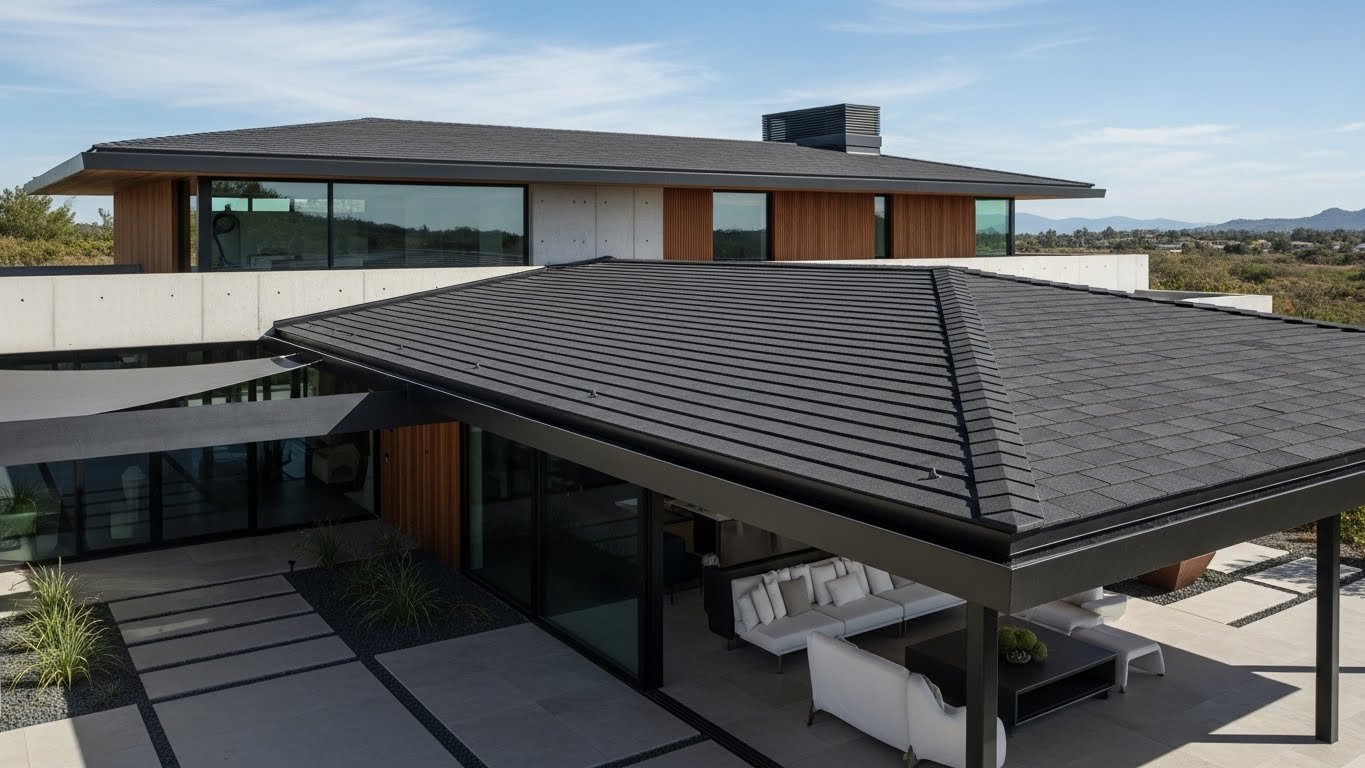
Shingle roofing systems consist of overlapping roofing materials installed in a layered pattern to create a protective barrier against water and external elements. This layered design allows water to flow off the roof efficiently while minimizing the risk of leaks. Shingles are typically installed over a solid roof deck and underlayment, providing additional protection and insulation.
There are several types of shingle roofing materials available, each designed to meet specific performance and aesthetic needs. Asphalt shingles are the most common due to their affordability and ease of installation. Architectural and dimensional shingles offer enhanced durability and visual depth, while specialty shingles provide additional features such as impact resistance or extended lifespan. Understanding these options allows property owners to select the most suitable system for their needs.
Benefits of Shingle Roofing
One of the primary benefits of shingle roofing is its versatility. Shingles are available in a wide variety of colors, textures, and styles, allowing property owners to achieve a customized look that complements their building design. Whether the goal is a traditional appearance or a more modern aesthetic, shingle roofing offers flexible design options.
Durability is another significant advantage. Modern shingle roofing materials are engineered to resist wind, rain, and temperature fluctuations. Many shingle products are designed to withstand harsh environmental conditions while maintaining their structural integrity. This durability contributes to reduced maintenance requirements and long-term reliability, making shingle roofing a practical investment.
Materials Used in Shingle Roofing
Shingle roofing materials vary in composition and performance characteristics. Asphalt shingles are the most widely used and consist of a fiberglass or organic base coated with asphalt and mineral granules. These shingles offer a balance of affordability, durability, and ease of installation.
Architectural shingles are a more advanced option, featuring thicker construction and enhanced visual appeal. They provide improved wind resistance and a longer lifespan compared to traditional asphalt shingles. Specialty shingles may include materials designed for impact resistance, algae resistance, or enhanced energy efficiency. Selecting the right material depends on budget, climate considerations, and desired performance characteristics.
Installation Process and Professional Expertise
Proper installation is essential to the performance and longevity of shingle roofing. The installation process begins with preparing the roof deck, ensuring it is clean, structurally sound, and properly ventilated. An underlayment is then applied to provide additional moisture protection before shingles are installed in a precise, overlapping pattern.
Professional roofing contractors follow manufacturer guidelines and industry standards to ensure accurate placement, fastening, and sealing. Improper installation can lead to leaks, premature wear, and reduced lifespan. By relying on experienced professionals, property owners can ensure that their shingle roofing system performs as intended and provides reliable protection for years to come.
Weather Resistance and Performance
Shingle roofing is designed to perform well under various weather conditions. High-quality shingles offer resistance to wind uplift, heavy rainfall, and temperature extremes. The layered design allows shingles to shed water efficiently, reducing the risk of moisture infiltration.
In addition to water resistance, many modern shingle products are engineered to resist UV radiation, minimizing color fading and material degradation over time. Enhanced weather resistance contributes to the long-term durability of the roof, reducing the need for frequent repairs or replacement.
Energy Efficiency Considerations
Energy efficiency is an increasingly important factor in roofing decisions. Certain shingle roofing options are designed with reflective granules that help reduce heat absorption. By minimizing heat transfer into the building, these shingles can contribute to improved indoor comfort and reduced energy consumption.
Proper attic ventilation and insulation work in conjunction with shingle roofing to enhance energy performance. When these elements are combined effectively, property owners can experience improved temperature regulation and reduced strain on heating and cooling systems.
Maintenance and Care
Routine maintenance is essential to preserving the performance and appearance of shingle roofing. Regular inspections help identify potential issues such as damaged shingles, debris accumulation, or flashing problems. Addressing minor concerns early prevents more significant damage and extends the roof’s lifespan.
Maintenance tasks may include cleaning gutters, removing debris, and replacing damaged shingles as needed. Professional inspections provide an added layer of protection by identifying hidden issues that may not be immediately visible. Consistent care ensures that shingle roofing continues to perform effectively over time.
Repair and Replacement Considerations
Over time, even well-maintained shingle roofing systems may require repairs or eventual replacement. Signs such as curling shingles, missing granules, or water intrusion indicate the need for professional evaluation. Timely repairs can extend the life of the roof and prevent more extensive damage.
When replacement becomes necessary, modern shingle roofing options provide improved performance compared to older systems. Advances in materials and manufacturing techniques allow for stronger, more durable shingles with enhanced warranties. Replacing an aging roof with a modern shingle system improves protection, appearance, and property value.
Aesthetic Value and Property Enhancement
Shingle roofing contributes significantly to a property’s visual appeal. The wide range of design options allows homeowners to select styles that complement siding, landscaping, and architectural features. A well-maintained shingle roof enhances curb appeal and creates a positive first impression.
Beyond aesthetics, a new or well-kept shingle roof can increase property value. Potential buyers often view roofing conditions as a key factor in purchasing decisions. Investing in quality shingle roofing demonstrates care and maintenance, making the property more attractive in competitive markets.
Cost Effectiveness and Long-Term Value
Shingle roofing offers excellent value due to its balance of affordability and performance. Compared to other roofing materials, shingles provide a cost-effective solution without compromising durability or appearance. The availability of various price points allows property owners to select options that align with their budget and long-term goals.
When properly installed and maintained, shingle roofing delivers reliable performance over its lifespan. Reduced maintenance costs, ease of repair, and widespread availability of materials contribute to long-term value. This cost-effectiveness makes shingle roofing a practical choice for many property owners.
Environmental Considerations
Modern shingle roofing manufacturers increasingly focus on sustainability and environmental responsibility. Some shingles are produced using recycled materials, and old shingles can often be recycled rather than sent to landfills. These practices help reduce environmental impact while maintaining performance standards.
Energy-efficient shingle options also contribute to sustainability by reducing energy consumption. Environmentally conscious roofing choices allow property owners to balance performance, aesthetics, and environmental responsibility effectively.
Conclusion
Shingle roofing continues to be a reliable, versatile, and cost-effective solution for protecting residential and commercial properties. With advancements in materials, design, and installation techniques, modern shingle roofing systems provide enhanced durability, weather resistance, and aesthetic appeal.
By choosing high-quality materials, professional installation, and consistent maintenance, property owners can ensure that their shingle roofing system delivers long-lasting performance and value. Whether installing a new roof or replacing an existing one, shingle roofing offers a balanced solution that meets both functional and aesthetic needs while providing dependable protection for years to come.