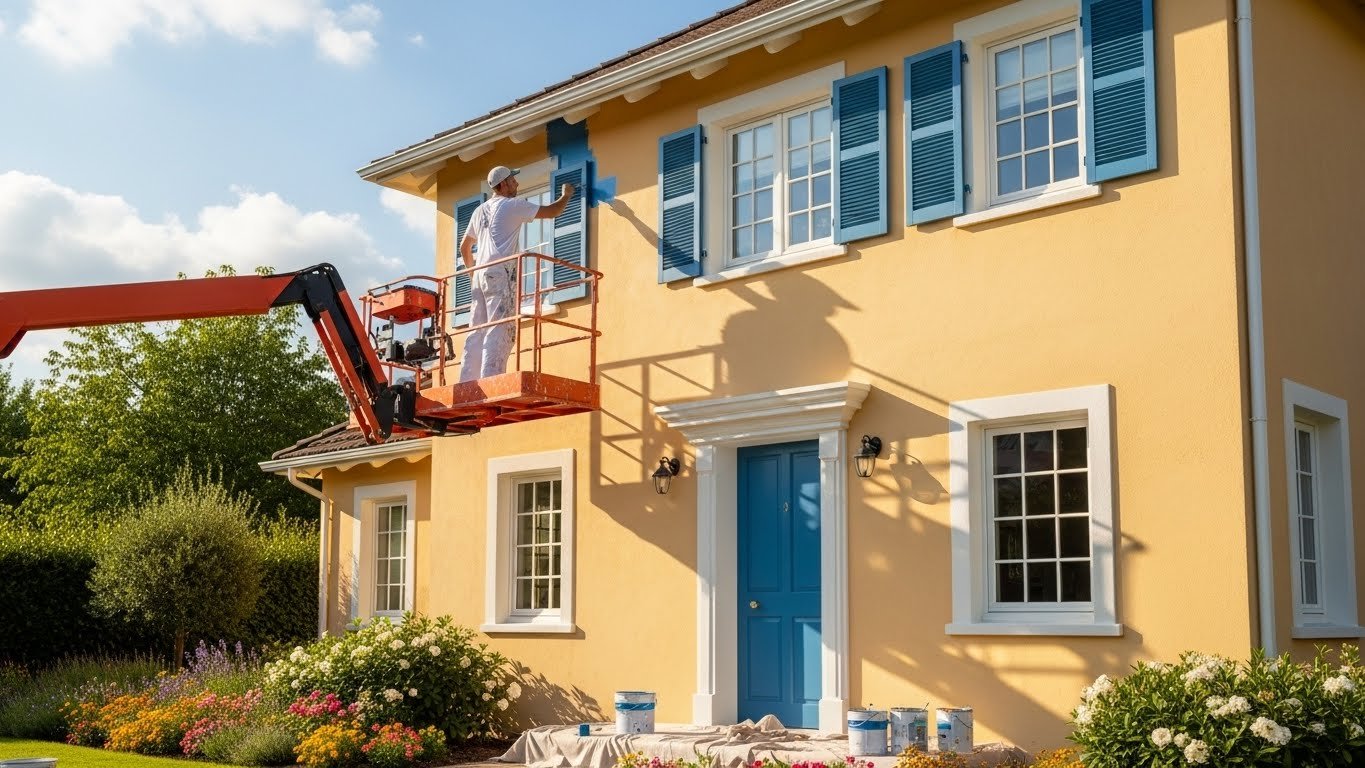
Every homeowner wants their property to look appealing and stay protected from the elements, and one of the most effective ways to achieve this is through exterior painting. Exterior painting is not just about giving your home a fresh, vibrant appearance; it is also about protecting the surfaces from harsh weather, decay, and damage over time. A well-executed exterior paint job enhances curb appeal, increases property value, and contributes to the overall longevity of your home’s exterior materials. This article explores the importance of exterior painting, the preparation steps, techniques for achieving a professional finish, and the benefits of hiring experts versus attempting a DIY approach.
The Significance of Exterior Painting for Your Home
Many homeowners often overlook the importance of exterior painting, thinking it is a purely cosmetic process. In reality, painting the exterior of your home serves multiple critical purposes. First, it provides a protective barrier against natural elements such as sun, wind, rain, and humidity. Exposure to these elements can cause wood rot, rust on metal components, or damage to siding and trim. By applying a quality exterior paint, you ensure that your home’s surfaces are shielded from moisture, UV rays, and temperature fluctuations, which in turn prevents deterioration and costly repairs.
Second, exterior painting enhances the aesthetic appeal of your property. A fresh coat of paint can completely transform a home, making it look modern, well-maintained, and inviting. The choice of color, finish, and detailing can emphasize architectural features, highlight textures, and give the entire property a cohesive and polished appearance. This is especially important for homeowners considering selling, as a visually appealing exterior can significantly increase property value and attract potential buyers more effectively.
Preparation: The Foundation of a Successful Exterior Painting Project
One of the most critical steps in any exterior painting project is preparation. Proper preparation ensures that the paint adheres well to the surfaces and lasts longer without peeling, cracking, or fading. There are several essential tasks that should be completed before any paint touches the wall:
- Cleaning the Surfaces: Dirt, grime, mold, and mildew accumulation can interfere with paint adhesion. Pressure washing is one of the most effective ways to clean exterior walls, removing years of accumulated debris. In areas where mildew is present, a mild solution of water and bleach or an exterior cleaner can help eliminate growth and prevent further issues.
- Repairing Damaged Areas: Cracks, holes, and rotting wood must be addressed before painting. Exterior-grade caulk, fillers, and putty can fill gaps and smooth uneven surfaces. Sanding rough areas ensures a uniform base for the paint. Inspecting siding, trims, shutters, and doors is important to catch hidden problems that could affect the durability of the paint.
- Priming: Primer is a vital component, particularly for bare wood, metal, or patched surfaces. A quality primer improves paint adhesion, prevents stains and water penetration, and ensures a uniform color finish. Skipping primer can lead to premature peeling, uneven coverage, and the need for frequent repainting.
- Selecting the Right Paint: Choosing the correct type of paint is crucial for a long-lasting exterior. Acrylic latex paints are widely recommended due to their flexibility, resistance to cracking, and easy maintenance. Oil-based paints provide a harder finish and are ideal for certain surfaces, but they require longer drying times and more careful application.
Techniques for Professional-Quality Exterior Painting
Achieving a flawless exterior finish requires skill, patience, and attention to detail. The techniques used can make a significant difference in the final appearance and longevity of the paint job:
- Choosing the Right Tools: Brushes, rollers, and sprayers each serve different purposes. Brushes are perfect for detailed work such as edges, trim, and corners. Rollers cover larger flat surfaces quickly and efficiently. Sprayers provide the fastest and smoothest application on broad areas, reducing streaks and visible brush marks. Many professionals combine these tools for optimal results.
- Applying Multiple Thin Coats: Applying thick paint in a single coat may seem efficient but often leads to drips, uneven drying, and peeling. Multiple thin coats allow the paint to adhere better, dry evenly, and provide a more durable finish. Allowing sufficient drying time between coats is essential to achieve a uniform and long-lasting result.
- Maintaining a Wet Edge: Painting large surfaces requires maintaining a wet edge to avoid visible lines and streaks. Working in small sections and blending each section as you go ensures consistency and smoothness across the entire exterior.
- Timing and Weather Considerations: Painting should be done in moderate weather conditions. Extreme heat, cold, or humidity can interfere with drying, adhesion, and final texture. Ideally, exterior painting should be performed in temperatures between 50°F and 85°F under dry, overcast skies to prevent rapid drying or moisture trapping.
Common Mistakes to Avoid During Exterior Painting
Even experienced homeowners can make mistakes that compromise the quality of exterior painting. Being aware of these pitfalls can save time, money, and effort:
- Skipping Surface Preparation: Neglecting cleaning and repairs can lead to peeling, cracking, and uneven paint coverage. Surface preparation is as important as the paint itself.
- Using Low-Quality Paint: While cheaper paints may reduce upfront costs, they often lack durability and fade quickly. Investing in premium exterior paint ensures long-lasting protection and appearance.
- Neglecting Details: Large walls often get most of the attention, but ignoring trim, shutters, doors, and accents can result in an incomplete look. Detailed work makes a huge difference in overall aesthetics.
- Ignoring Safety Precautions: Exterior painting often involves working at heights with ladders or scaffolding. Proper safety equipment and techniques are essential to prevent accidents and injuries.
Maintenance After Exterior Painting
Proper maintenance is crucial for prolonging the life of your exterior paint. Regular inspections and cleaning prevent minor issues from turning into major problems. Power washing once or twice a year removes dirt and grime. Cleaning gutters and trimming vegetation that comes into contact with walls also helps prevent damage and mold growth. Touching up chips, cracks, or peeling areas promptly ensures the paint continues to protect and beautify your home effectively.
The Benefits of Professional Exterior Painting Services
While DIY painting projects are common, hiring professional painters offers distinct advantages. Experts bring experience, specialized tools, and techniques that guarantee a high-quality finish. They can assess surfaces for hidden problems, recommend the best paint types, and ensure an efficient application. Many professional services also offer warranties or guarantees, providing homeowners with peace of mind that their investment is protected. Professional exterior painting saves time, reduces stress, and delivers results that are often impossible to achieve with a DIY approach.
Choosing Colors and Finishes
Color selection plays a significant role in exterior painting. Lighter colors reflect sunlight, reduce heat absorption, and create a sense of openness, while darker colors can add elegance, depth, and contrast. Finishes also matter: satin and semi-gloss finishes are easier to clean and resist weathering, while flat or matte finishes can hide imperfections but may require more frequent maintenance. A carefully chosen combination of color and finish enhances both appearance and functionality.
Conclusion
Investing in exterior painting in Jefferson County is not merely a cosmetic decision; it is a strategic choice that protects your home, increases its value, and elevates its aesthetic appeal. From careful preparation and selecting the right paint to applying professional techniques and maintaining the surfaces afterward, every step plays a crucial role in achieving a long-lasting, attractive result. Avoiding common mistakes, considering professional services, and taking the time to choose colors and finishes carefully ensures your home stands out while remaining protected from the elements. A well-executed exterior painting project not only enhances curb appeal but also reinforces the durability and integrity of your property for years to come.
In conclusion, whether you are refreshing the look of your home, preparing for a sale, or simply maintaining its structure, exterior painting remains an essential investment that combines beauty, protection, and value. Taking the right steps and understanding the process can transform your home and provide lasting benefits that extend far beyond the initial application.