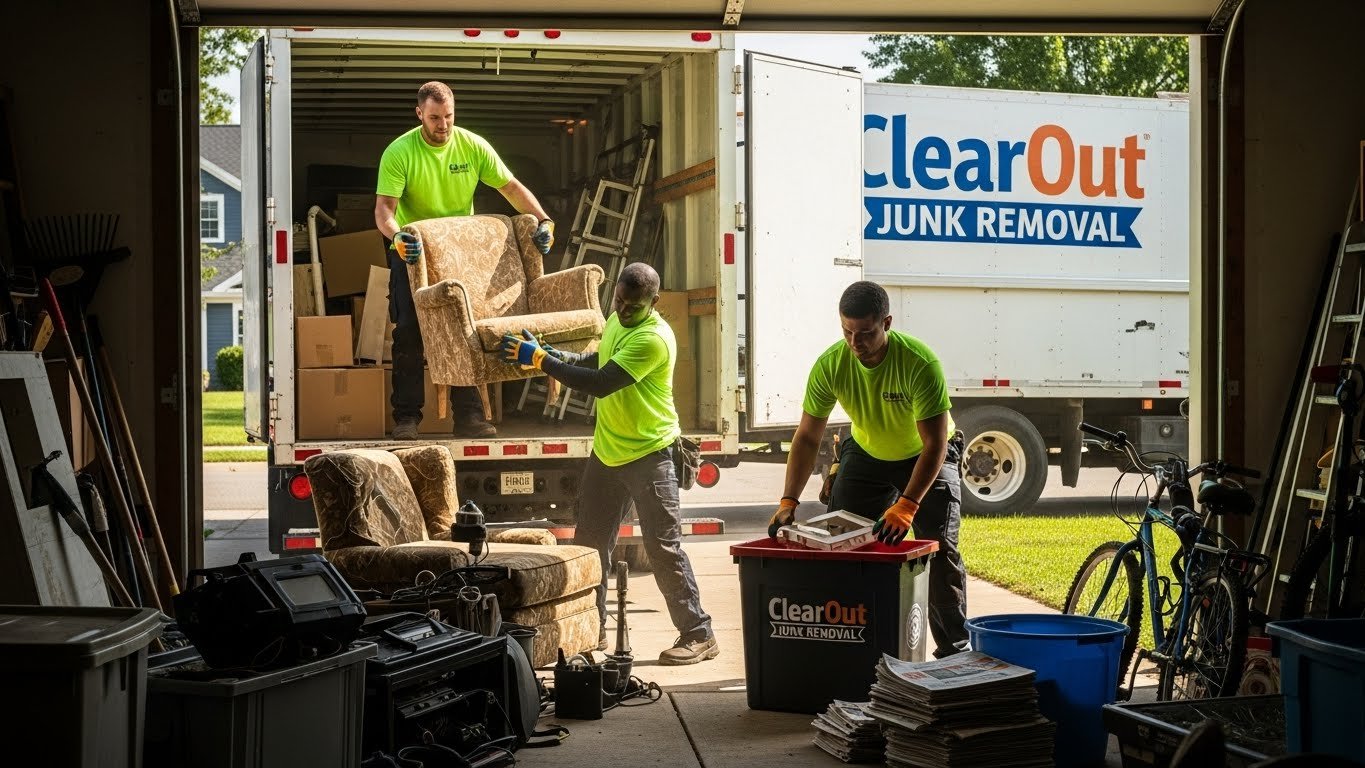
In modern living, spaces often become cluttered over time with unwanted items, old furniture, and accumulated waste. Junk removal is the process of clearing these items safely and efficiently from homes, offices, or commercial spaces. It goes beyond mere tidying; effective junk removal promotes health, safety, environmental responsibility, and an improved quality of life. Whether undertaken as a personal project or through professional services, understanding the methods, benefits, and best practices of junk removal ensures that the process is both effective and sustainable. It provides a structured approach to managing clutter while enhancing the usability and appearance of any space.
What is Junk Removal?
Junk removal refers to the organized process of collecting, transporting, and disposing of items that are no longer needed or wanted. Unlike ordinary trash disposal, it primarily deals with larger or bulkier items such as old furniture, appliances, electronics, yard debris, and construction materials. The goal is not merely to remove clutter but also to ensure that items are handled safely and disposed of responsibly. Many professional junk removal services also incorporate donation and recycling options, providing an eco-friendly approach that reduces landfill waste and supports sustainable resource management.
Why Junk Removal is Important
The importance of junk removal extends far beyond aesthetics. Cluttered spaces can become breeding grounds for bacteria, mold, and pests, particularly in areas like garages, basements, or storage rooms. Accumulated junk can also pose safety risks, including fire hazards, tripping, and obstructed emergency exits. In commercial settings, junk removal plays a critical role in maintaining an efficient workspace. Outdated equipment, surplus office furniture, and construction debris can compromise workflow, reduce productivity, and negatively affect employee morale. A clean, organized environment not only enhances safety and efficiency but also reflects professionalism to clients, visitors, and employees.
Benefits of Junk Removal
Junk removal provides numerous benefits for both residential and commercial spaces. Removing unnecessary items immediately creates usable space, allowing homes or offices to feel more open and organized. Safety is improved as tripping hazards are eliminated and fire risks are reduced. Hygiene is enhanced because dust, mold, and pests are minimized. Furthermore, responsible disposal practices, such as recycling electronics and donating usable furniture, contribute to environmental sustainability. On a psychological level, decluttered spaces help reduce stress and increase focus. In commercial or real estate settings, a clean and organized environment can improve property value and leave a positive impression on clients or potential buyers.
Types of Junk Commonly Removed
Junk removal covers a broad spectrum of items. Residential junk often includes old furniture, mattresses, electronics, appliances, clothing, toys, and yard debris. Commercial spaces generate office furniture, filing cabinets, surplus equipment, and construction materials. Construction projects produce debris such as drywall, lumber, tiles, and concrete. Specialty items may include tires, batteries, and hazardous household waste, all of which require careful disposal. Understanding the types of junk being removed allows for proper planning and ensures that items are recycled, donated, or disposed of in compliance with environmental regulations.
Methods of Junk Removal
There are several approaches to junk removal, depending on the scale of the project and the type of items being cleared. For smaller spaces or less bulky items, homeowners or office managers may undertake the removal themselves, using personal vehicles, rented trucks, or local recycling and landfill facilities. While this can be cost-effective, it requires planning, physical effort, and knowledge of disposal regulations. For larger or heavier items, professional junk removal services offer expertise, specialized equipment, and labor to handle the task efficiently. These services often provide sorting, donation, recycling, and responsible disposal, making them ideal for large-scale residential, commercial, or construction projects. Some programs focus specifically on hazardous waste or electronic recycling, ensuring safety and environmental compliance.
Sustainability and Recycling in Junk Removal
Sustainable junk removal emphasizes minimizing environmental impact by recycling, repurposing, and donating unwanted items. Electronics can be broken down to recover valuable metals and plastics, while furniture, clothing, and other reusable items can be donated to charity organizations. Construction debris can be reused or repurposed in new projects, reducing landfill waste. Many professional junk removal services now integrate eco-friendly practices into their operations, highlighting the importance of responsible disposal. Sustainability not only benefits the environment but also reflects positively on businesses and individuals who prioritize eco-conscious living.
Safety Considerations During Junk Removal
Safety is a critical concern in any junk removal process. Handling heavy or awkward items can result in injuries without proper techniques, equipment, or protective gear. Professionals utilize gloves, lifting tools, and safety protocols to minimize risk. Hazardous materials, including chemicals, batteries, paints, and electronics, require specialized disposal methods to prevent environmental contamination or personal harm. Even when performing DIY junk removal, individuals must pay careful attention to lifting techniques, wear protective clothing, and follow local guidelines for hazardous waste management. Proper attention to safety ensures a smooth, risk-free removal process.
Cost Factors in Junk Removal
The cost of junk removal varies depending on several factors, including the volume and weight of items, type of materials, level of service, and accessibility of the space. Larger quantities or heavier objects generally increase costs, while hazardous or specialized items may require additional handling fees. Professional services charge for labor, transportation, and disposal, but the convenience, efficiency, and safety provided often justify the investment. Long-term financial benefits can also result from preserving property, extending the life of furnishings, and reducing liability from potential accidents or injuries.
Preparing for Junk Removal
Preparation is key to ensuring that junk removal is efficient and organized. Items should be sorted into categories for keeping, donating, recycling, or discarding. Clear pathways and easy access to items facilitate smooth transportation and prevent accidents. Checking local disposal regulations is essential, particularly for hazardous or electronic waste. Scheduling professional junk removal services in advance, and confirming which items they handle, allows the process to proceed without interruptions. Careful preparation reduces stress, saves time, and ensures that all items are disposed of responsibly.
Residential Junk Removal Use
Residential junk removal focuses on creating livable, organized spaces within homes. Basements, garages, attics, and storage areas tend to accumulate items over time, which can take up valuable space and harbor pests or mold. Removing unwanted furniture, appliances, and other clutter not only frees up space but also promotes a healthier and safer environment. Professional residential junk removal services offer additional advantages, handling large or heavy items safely, ensuring proper disposal, and streamlining the decluttering process to save homeowners both time and effort.
Commercial Junk Removal Use
In commercial settings, junk removal ensures that offices, warehouses, and retail spaces remain functional and efficient. Businesses often accumulate outdated office equipment, excess furniture, and surplus materials, all of which can impede productivity. Removing these items not only maximizes usable space but also improves workplace safety and enhances employee morale. Many commercial junk removal services also offer recycling or donation options, which supports sustainability initiatives and reflects a business’s commitment to responsible practices. Efficient junk removal is therefore essential to maintaining a professional, safe, and organized workspace.
Seasonal and Project-Based Junk Removal
Junk removal is often integrated into seasonal cleaning routines or specific projects. Spring cleaning, renovation projects, moving, downsizing, or estate cleanouts all generate substantial amounts of clutter that need to be managed carefully. Seasonal or project-based junk removal ensures that spaces are cleared methodically, safely, and in compliance with disposal regulations. By addressing these tasks strategically, individuals and businesses can maximize efficiency while minimizing disruption to daily activities.
Modern Trends in Junk Removal
The junk removal industry continues to evolve, with modern trends focusing on sustainability, convenience, and professionalism. Many companies now offer on-demand services through mobile apps or online platforms, providing transparent pricing, scheduling, and service details. Full-service packages that include labor, sorting, transportation, and responsible disposal are becoming increasingly common. Eco-friendly practices, including recycling and donation programs, are emphasized, while compliance with local regulations ensures safe handling of hazardous materials. These trends illustrate how junk removal has transformed from a simple chore to a professional, responsible service that benefits people, businesses, and the environment.
Conclusion
Junk removal is an essential practice for maintaining organized, safe, and functional spaces. Beyond simply improving aesthetics, it addresses health, safety, and environmental concerns while enhancing the usability and productivity of homes, offices, and commercial spaces. By preparing spaces carefully, following best practices, and utilizing professional services when necessary, individuals and businesses can ensure that unwanted items are removed efficiently, safely, and responsibly. With modern trends emphasizing sustainability and convenience, junk removal has become a vital component of responsible property management and daily life, helping create environments that are healthier, more organized, and visually appealing.