
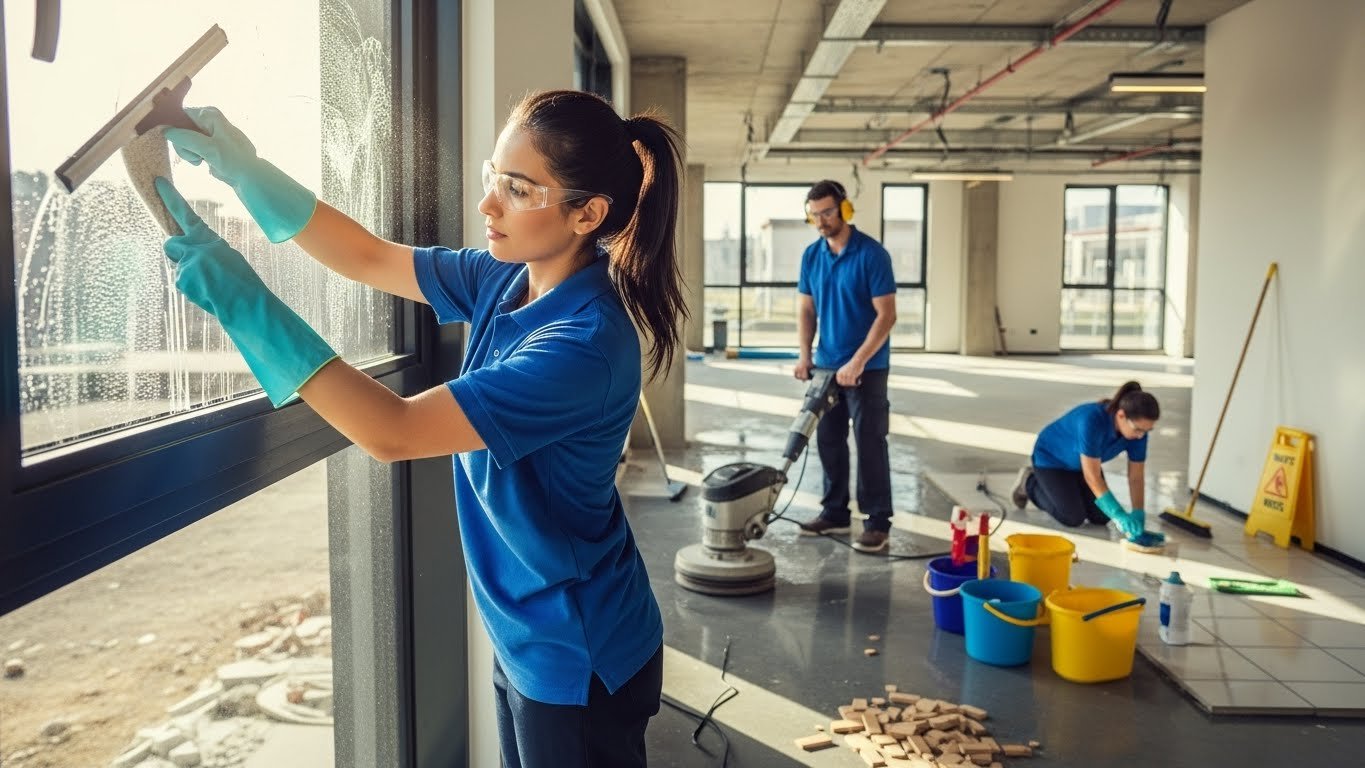
Construction projects, whether residential, commercial, or industrial, bring excitement as a new space comes to life. However, once the construction dust settles, what remains is often a mess filled with debris, dust, and construction residues. This is where post construction cleaning becomes essential. Proper cleaning not only enhances the aesthetic appeal of a newly built or renovated space but also ensures safety and hygiene for occupants. In this comprehensive guide, we’ll explore everything you need to know about post construction cleaning, its importance, strategies, and tips for achieving a pristine environment.
Understanding Post Construction Cleaning
Post construction cleaning refers to the detailed cleaning process that takes place after a construction or renovation project is completed. Unlike regular cleaning, it involves removing construction dust, leftover materials, and chemical residues that can pose health hazards if not addressed properly. This cleaning phase is a crucial step before the space becomes functional or accessible to residents, employees, or customers.
There are generally three stages of post construction cleaning:
- Rough Cleaning: This stage removes large debris, dust, and leftover construction materials. It often includes sweeping, vacuuming, and disposing of bulky waste.
- Light Cleaning: At this stage, the focus is on cleaning surfaces, such as countertops, shelves, and walls, removing fingerprints, smudges, and minor dust accumulation.
- Final Cleaning: The final phase is detailed cleaning that ensures the space is spotless, including polishing floors, washing windows, and sanitizing all areas to make them ready for use.
By following these stages, the cleaning process becomes organized and effective, ensuring no part of the property is overlooked.
Why Post Construction Cleaning is Essential
After construction, spaces often contain harmful dust particles, chemical residues, and sharp objects that can pose health risks. Post construction cleaning is not just about aesthetics; it’s about creating a safe, functional, and welcoming environment.
Health and Safety Considerations
Construction dust often contains silica, which can lead to respiratory issues if inhaled. Debris such as nails, glass shards, and sharp metal pieces can cause injuries. Proper cleaning mitigates these risks by removing hazardous materials and providing a safe environment for workers and future occupants.
Enhanced Aesthetics and Appeal
A newly constructed space may look beautiful, but leftover dust, stains, and construction residues can undermine its visual appeal. Through post construction cleaning, every corner is polished, surfaces are sanitized, and the space is presented in its best form, highlighting the craftsmanship of the construction project.
Protecting Investments
Construction projects often represent significant investments. Post construction cleaning helps protect these investments by ensuring materials, flooring, and fixtures are well-maintained. Dust and debris, if left unchecked, can damage surfaces, appliances, and finishes, potentially leading to costly repairs.
Time Efficiency
For property owners, businesses, or contractors, returning the space to a ready-to-use condition quickly is crucial. Professional post construction cleaning saves time compared to attempting to clean the site manually, allowing occupants to move in or start operations without unnecessary delays.
Key Steps in Effective Post Construction Cleaning
Achieving a truly clean and safe environment after construction requires a structured approach. Below are the key steps that define effective post construction cleaning:
1. Removal of Large Debris
The first step involves removing large debris, such as wood scraps, broken tiles, and packaging materials. This stage sets the foundation for more detailed cleaning and ensures that workers or cleaning crews can move safely around the site.
2. Dusting and Vacuuming
Construction dust can settle in unexpected places, including air vents, window tracks, and corners. Thorough dusting and vacuuming are essential to remove fine particles. Using industrial-grade vacuums with HEPA filters can capture microscopic dust, improving air quality and preventing respiratory issues.
3. Cleaning Surfaces and Fixtures
All surfaces, including countertops, cabinets, shelves, and appliances, should be wiped down with appropriate cleaning agents. Fixtures like lights, switches, and door handles also require attention to ensure no residue or smudges remain.
4. Floor Care
Floors often accumulate cement dust, paint splatters, and adhesive residues during construction. Depending on the flooring type wood, tile, marble, or concrete different cleaning techniques may be required, including sweeping, mopping, buffing, or polishing.
5. Window and Glass Cleaning
Windows, mirrors, and glass panels often bear construction dust and paint splashes. Professional post construction cleaning ensures that all glass surfaces are spotless and streak-free, allowing natural light to enhance the space.
6. Waste Disposal
Proper disposal of construction waste is a critical part of post construction cleaning. Materials such as packaging, broken tiles, plastics, and metals should be sorted and recycled or disposed of according to local regulations.
7. Final Sanitization
The last step involves sanitizing the space to remove any remaining bacteria or allergens. This step is particularly important in residential or commercial spaces to ensure they are safe for occupants.
Tools and Equipment for Post Construction Cleaning
Using the right tools and equipment is essential for effective cleaning. While some tasks can be done with standard cleaning supplies, many areas require specialized equipment. Key tools include:
- Industrial vacuums with HEPA filters
- Heavy-duty brooms and dustpans
- Microfiber cloths for dusting
- Mops and floor polishers
- Window cleaning squeegees
- Cleaning agents suitable for different surfaces
- Protective gear for cleaners, such as gloves, masks, and goggles
Professional cleaning services often bring all necessary tools and expertise, ensuring that even the most hard-to-reach areas are properly cleaned.
Tips for a Successful Post Construction Cleaning Process
While hiring professionals is common, understanding the process can help property owners manage cleaning effectively. Here are some valuable tips:
- Plan Ahead: Schedule cleaning after construction is complete but before furniture or equipment is moved in.
- Protect Yourself: Wear protective gear to avoid exposure to dust and sharp objects.
- Use Appropriate Cleaning Agents: Different surfaces require specific cleaners to avoid damage.
- Work from Top to Bottom: Start with ceilings and walls before cleaning floors to prevent recontamination.
- Pay Attention to Details: Corners, vents, and hidden areas often harbor dust and debris.
- Check Ventilation: Ensure the space is well-ventilated during and after cleaning to remove lingering dust particles.
Following these tips ensures that the post construction cleaning process is efficient, safe, and thorough.
The Benefits of Professional Post Construction Cleaning
While some individuals may attempt to clean their space after construction themselves, hiring a professional service offers several advantages:
- Expertise: Professionals understand the nuances of cleaning different surfaces and materials.
- Efficiency: They can complete the cleaning faster and more effectively than non-professionals.
- Safety: Professionals are trained to handle hazardous materials and use protective gear correctly.
- Comprehensive Cleaning: Every corner, including high ceilings, ducts, and vents, is addressed.
- Peace of Mind: Knowing the space is thoroughly cleaned allows property owners to move in or open for business without concern.
Ultimately, professional post construction cleaning provides both convenience and quality results.
Common Challenges in Post Construction Cleaning
Despite best efforts, post construction cleaning can present challenges:
- Persistent Dust: Construction dust can be fine and hard to remove completely.
- Stubborn Stains: Paint, adhesives, or cement residue may require specialized cleaning methods.
- Hard-to-Reach Areas: Ceilings, ducts, and high windows are often difficult to access without proper equipment.
- Waste Management: Proper disposal of large volumes of construction debris requires planning and effort.
Being aware of these challenges helps in planning a more effective cleaning strategy and ensures no area is overlooked.
Conclusion
In any construction or renovation project, the final appearance and functionality of the space depend heavily on thorough post construction cleaning. This process goes beyond simple sweeping or mopping; it involves detailed removal of dust, debris, and residues that can compromise health, safety, and aesthetics. From initial debris removal to final sanitization, each step contributes to creating a safe, spotless, and welcoming environment.
Investing time, effort, and resources into post construction cleaning not only protects the property but also enhances the experience for occupants. Whether carried out by professionals or with careful planning by property owners, a well-executed post construction cleaning process ensures that the hard work of construction is showcased in its best form.
For anyone involved in construction or renovation, understanding and implementing effective post construction cleaning practices is essential. It’s the final touch that transforms a dusty construction site into a functional, beautiful, and safe space ready for use.