
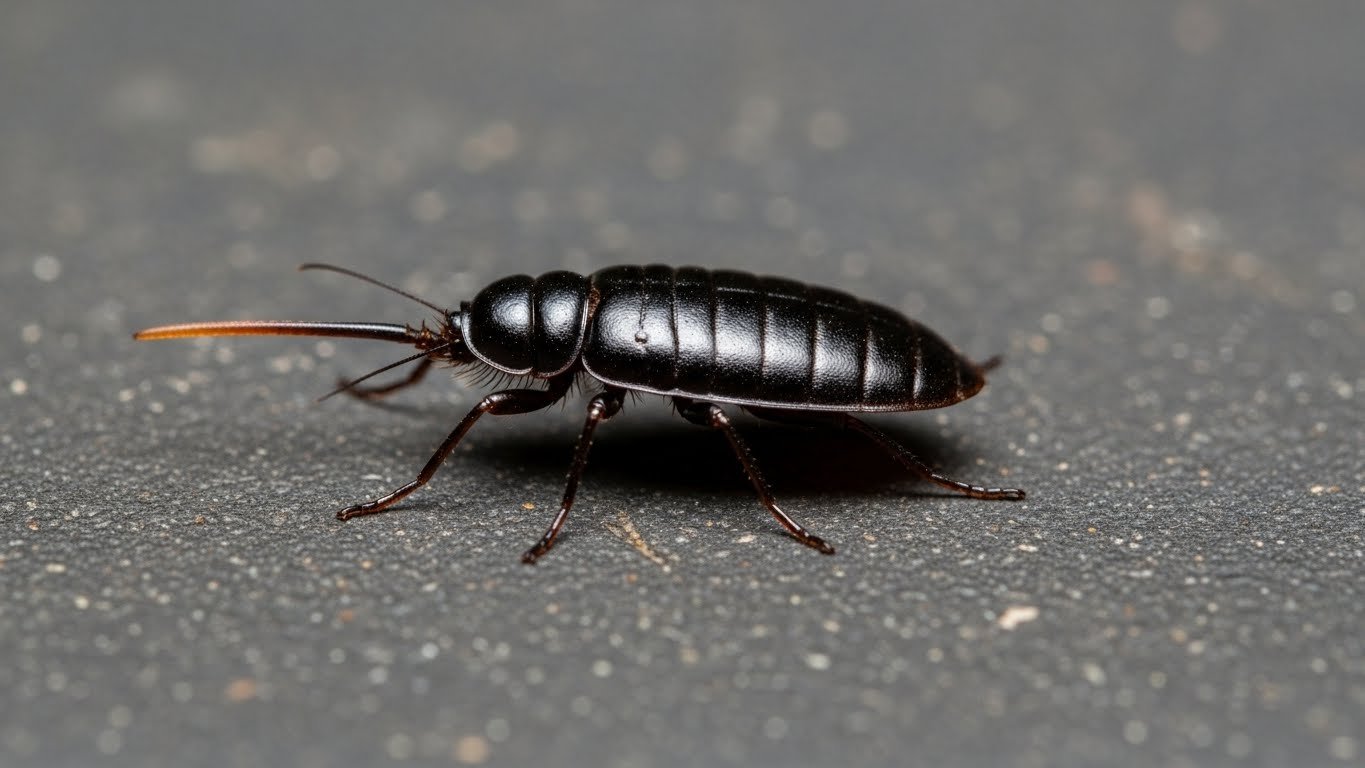
Bed bugs are one of the most persistent and unwelcome pests in homes, hotels, and living spaces Their ability to hide in tiny cracks, multiply rapidly, and feed on human blood makes them particularly difficult to eliminate Effective bed bug treatment is essential to ensure a safe, clean, and comfortable environment This comprehensive guide will walk you through everything you need to know about identifying, preventing, and treating bed bug infestations using proven methods
Understanding Bed Bugs
Bed bugs are small, reddish-brown insects that primarily feed on the blood of humans and animals While they do not transmit diseases directly, their bites can lead to severe itching, allergic reactions, and secondary infections due to scratching Bed bugs are nocturnal, preferring to feed at night when their hosts are asleep They hide in mattresses, bed frames, furniture crevices, electrical outlets, and even behind wallpaper, making early detection challenging
Understanding the behavior and life cycle of bed bugs is crucial for effective bed bug treatment A female bed bug can lay hundreds of eggs in her lifetime, which hatch within one to two weeks The newly hatched nymphs go through multiple stages before becoming adults, feeding on blood at every stage This rapid reproduction emphasizes the importance of timely and thorough treatment
Signs of a Bed Bug Infestation
Detecting bed bugs early is key to successful eradication Common signs of an infestation include small, red bites on the skin often in a line or cluster, blood stains on sheets and pillowcases, dark spots from bed bug excrement on mattresses, bed frames, and furniture, musty sweet odor in heavily infested areas, and the presence of shed skins
Recognizing these signs early allows homeowners to implement bed bug treatment before the infestation spreads to other areas of the home.
Prevention Measures
Prevention is always better than cure Implementing preventive measures can reduce the risk of a bed bug infestation and complement any treatment efforts Some effective preventive strategies include regularly inspecting bedding, furniture, and luggage for signs of bed bugs, reducing clutter in bedrooms to limit hiding spots, using protective covers for mattresses and box springs, washing and drying bed linens and clothing on high heat, and being cautious when acquiring second-hand furniture to ensure it is thoroughly inspected and treated if necessary
Even with strict preventive measures, bed bugs can still find their way into homes This is why professional bed bug treatment is often necessary for severe infestations.
Bed Bug Treatment Methods
There are several treatment methods available for dealing with bed bugs The right approach depends on the severity of the infestation, the size of the affected area, and available resources
Chemical Treatments
Chemical treatments, including insecticides and sprays, are commonly used for bed bug eradication These products target adult bugs, nymphs, and sometimes eggs It is crucial to follow the instructions carefully to ensure safety and effectiveness Some commonly used chemical treatments include pyrethroid-based sprays that are effective against adult bed bugs but may not penetrate egg casings, insect growth regulators that disrupt the life cycle of bed bugs preventing eggs from hatching, and desiccant dusts that dry out and kill bed bugs on contact
While chemical treatments are effective, they require repeated applications and careful monitoring to prevent resistance
Heat Treatment
Bed bugs are highly sensitive to temperature extremes Heat treatment involves raising the temperature of infested areas to levels lethal to bed bugs and their eggs Professional pest control services often use specialized equipment to heat rooms to 120–140°F for several hours, ensuring thorough eradication
Heat treatment is chemical-free, environmentally safe, and highly effective, especially for furniture, mattresses, and other heat-tolerant items However, it may require professional expertise to ensure safety and complete coverage
Steam Cleaning
Steam cleaning is another non-chemical approach to bed bug treatment Bed bugs and their eggs die at temperatures above 120°F, making steam an effective solution for localized infestations Steam can be applied to mattresses, furniture seams, baseboards, and other hiding spots
This method is particularly useful for areas where chemical treatments may not be ideal, such as bedrooms with children or pets Repeated applications may be necessary to ensure complete elimination
Vacuuming and Physical Removal
Vacuuming is a simple yet effective component of bed bug management Vacuuming can remove bed bugs, eggs, and shed skins from floors, furniture, and mattress seams After vacuuming, it is essential to dispose of the vacuum bag immediately in a sealed plastic bag to prevent re-infestation
Physical removal methods such as encasing mattresses and isolating infested items can complement other bed bug treatment strategies.
Professional Pest Control Services
While DIY methods can work for minor infestations, professional pest control services are often the most reliable solution for severe cases Professionals use a combination of chemical, heat, and mechanical treatments to ensure complete eradication Additionally, they can provide follow-up inspections and preventive advice to prevent future infestations
Post-Treatment Tips
After undergoing bed bug treatment, it is essential to maintain vigilance to prevent re-infestation Post-treatment tips include regularly inspecting beds, furniture, and clothing for signs of bed bugs, laundering bed linens and clothing at high temperatures, using mattress and pillow encasements to trap any remaining bugs, and reducing clutter and sealing cracks or crevices where bed bugs could hide
Implementing these steps ensures long-term protection and peace of mind
Common Mistakes to Avoid
When dealing with bed bugs, several mistakes can hinder treatment efforts Using only one type of treatment is a common error, as combining chemical, heat, and mechanical methods yields better results Ignoring signs of early infestation allows bed bugs to multiply rapidly Not following product instructions can make insecticides ineffective and dangerous Overlooking hidden areas such as furniture, electrical outlets, and behind wall hangings reduces the success of bed bug treatment avoiding these mistakes increases the success rate of eradication
Conclusion
Bed bugs are challenging pests, but with proper knowledge and action, they can be eradicated Effective bed bug treatment involves a combination of prevention, detection, and professional intervention when necessary By understanding their behavior, applying appropriate treatments, and maintaining vigilance, you can protect your home and family from these persistent pests
Investing in comprehensive treatment methods and following up with preventive measures ensures that bed bugs are eliminated and stay gone, restoring comfort and peace to your living environment