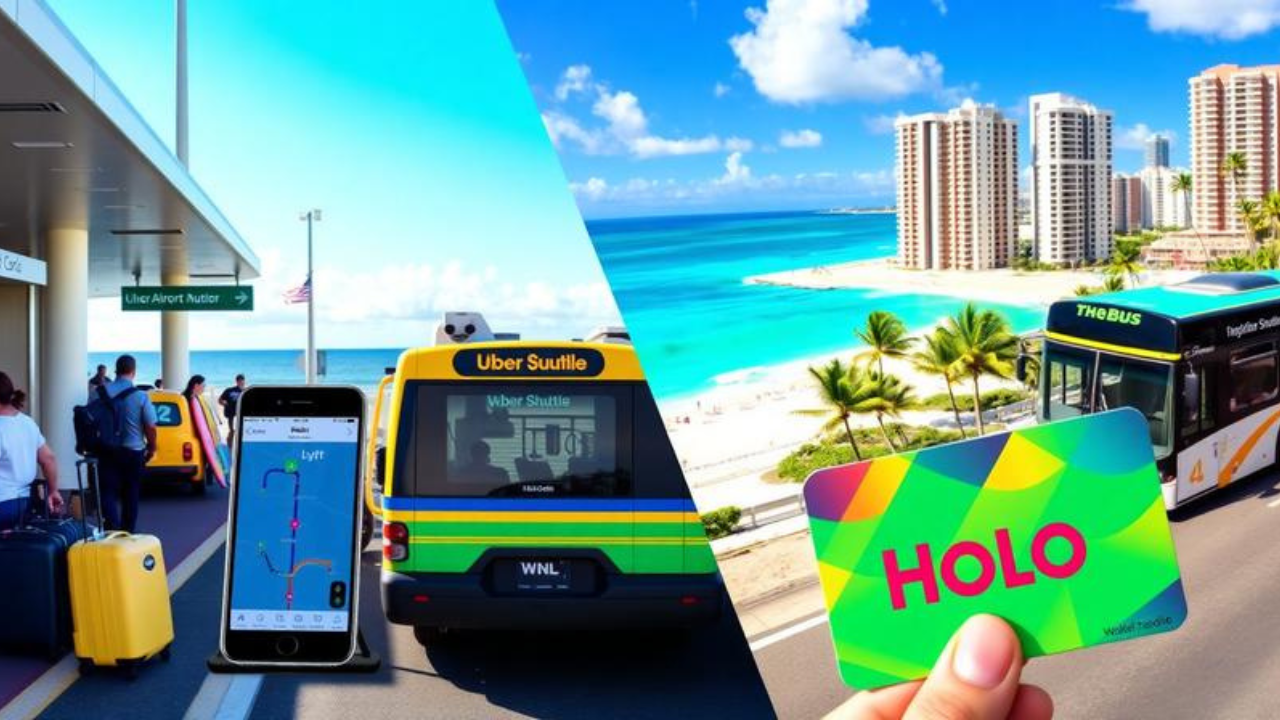

Hawaii is often considered one of the most beautiful places to live in the United States. With its stunning beaches, warm climate, breathtaking landscapes, and relaxed island lifestyle, many people dream of calling Hawaii home. However, before making the move, it’s important to understand the cost of living in Hawaii and how it compares to other states.
Hawaii consistently ranks among the most expensive places to live in America. From housing and groceries to transportation and utilities, residents typically pay more than the national average for everyday expenses. In this guide, we’ll break down the major costs associated with living in Hawaii and help you determine whether island life fits your budget.
Why Is Hawaii So Expensive?
Several factors contribute to Hawaii’s high living expenses.
First, Hawaii is geographically isolated from the mainland United States. Many goods must be imported by ship or air, increasing transportation costs. These added expenses are often passed on to consumers.
Additionally, limited land availability, strong tourism demand, and strict development regulations drive up housing prices across the islands.
As a result, the average resident spends significantly more on basic necessities than people living in most other states.
Average Cost of Living in Hawaii
The overall cost of living in Hawaii is substantially higher than the U.S. average. Depending on the island and lifestyle choices, a single person may need between $3,500 and $6,000 per month to live comfortably.
A family of four often requires between $7,000 and $12,000 per month to cover housing, food, healthcare, transportation, and other necessities.
Major expenses include:
- Housing
- Groceries
- Utilities
- Transportation
- Healthcare
- Childcare
- Entertainment
Let’s examine each category in detail.
Housing Costs in Hawaii
Housing is typically the largest expense for Hawaii residents.
Renting a Home or Apartment
Rental prices vary depending on the island and location.
Average monthly rents include:
| Property Type | Monthly Rent |
|---|---|
| Studio Apartment | $1,500 – $2,500 |
| One-Bedroom Apartment | $1,800 – $3,000 |
| Two-Bedroom Apartment | $2,500 – $4,500 |
| Three-Bedroom Home | $3,500 – $7,000+ |
Honolulu, located on Oahu, generally has the highest rental rates due to population density and demand.
Buying a Home
The housing market in Hawaii remains one of the most expensive in the country.
Typical home prices include:
- Oahu: $800,000 to $1.2 million
- Maui: $900,000 to $1.5 million
- Kauai: $850,000 to $1.4 million
- Big Island: $450,000 to $800,000
Oceanfront properties and homes in popular tourist areas can cost significantly more.
Grocery Expenses
Food prices in Hawaii are noticeably higher than on the mainland because many products are imported.
Average grocery costs include:
- Milk: $6 to $9 per gallon
- Bread: $4 to $7 per loaf
- Eggs: $5 to $10 per dozen
- Chicken breast: $5 to $9 per pound
- Apples: $2 to $4 per pound
A single adult may spend approximately $400 to $800 per month on groceries.
A family of four can expect grocery expenses ranging from $1,000 to $2,000 per month depending on dietary habits.
Tips for Saving Money on Groceries
Residents often reduce costs by:
- Shopping at local farmers markets
- Buying seasonal produce
- Purchasing bulk items
- Choosing locally grown foods
- Using warehouse clubs
These strategies can significantly lower monthly food expenses.
Utility Costs
Utilities in Hawaii tend to be higher than national averages, particularly electricity.
The state’s reliance on imported fuel contributes to elevated energy prices.
Average monthly utility expenses include:
- Electricity: $150 to $400
- Water and sewer: $50 to $100
- Internet: $60 to $120
- Cell phone service: $50 to $100
Many homeowners install solar panels to reduce long-term electricity costs.
Thanks to Hawaii’s mild climate, heating expenses are generally minimal.
Transportation Costs
Transportation expenses vary depending on where you live and work.
Owning a Vehicle
Vehicle ownership can be expensive due to:
- Higher fuel prices
- Vehicle shipping costs
- Insurance premiums
- Maintenance expenses
Typical monthly transportation costs include:
- Gasoline: $150 to $300
- Insurance: $100 to $250
- Maintenance: $50 to $150
Public Transportation
Honolulu offers one of the state’s most developed public transportation systems.
Residents can save money by using:
- Public buses
- Ride-sharing services
- Bicycles
- Walking routes
Public transit is generally less available on neighboring islands.
Healthcare Costs
Healthcare expenses in Hawaii are relatively moderate compared to some mainland states.
Many residents receive employer-sponsored health insurance, which helps reduce out-of-pocket costs.
Average monthly healthcare expenses may include:
- Individual insurance premiums: $300 to $700
- Family coverage: $800 to $2,000+
- Routine doctor visits: $100 to $250 without insurance
Access to quality healthcare is generally strong in urban areas, though rural communities may have fewer options.
Childcare and Education Costs
Families moving to Hawaii should consider childcare expenses carefully.
Average childcare costs include:
- Daycare: $900 to $1,800 per month
- Preschool: $800 to $1,500 per month
- Private schools: $10,000 to $30,000+ annually
Public schools are available throughout the islands and can help families reduce educational expenses.
Entertainment and Lifestyle Expenses
One advantage of living in Hawaii is access to many free outdoor activities.
Residents enjoy:
- Beaches
- Hiking trails
- Surfing
- Snorkeling
- Community events
However, entertainment costs can still add up.
Common monthly expenses include:
- Gym memberships: $40 to $100
- Movie tickets: $12 to $20
- Restaurant meals: $15 to $50 per person
- Family dining: $60 to $150+
Tourist-heavy areas often charge premium prices for dining and recreation.
Cost of Living by Island
Not all Hawaiian islands have the same expenses.
Oahu
Oahu offers:
- More job opportunities
- Better public transportation
- Higher housing costs
- Greater access to services
Maui
Maui provides:
- Luxury lifestyle options
- High real estate prices
- Strong tourism industry
Kauai
Kauai offers:
- Beautiful natural surroundings
- Smaller communities
- Higher import costs
- Limited job markets
Big Island
The Big Island is often considered the most affordable option.
Benefits include:
- Lower housing prices
- Larger properties
- Reduced population density
However, transportation costs may increase due to longer travel distances.
How Much Salary Do You Need to Live Comfortably in Hawaii?
Income requirements depend on lifestyle and family size.
Estimated annual salaries include:
Single Adult
- Minimum comfortable income: $60,000 to $90,000
Couple
- Comfortable income: $90,000 to $130,000
Family of Four
- Comfortable income: $120,000 to $180,000+
Higher incomes may be necessary in expensive neighborhoods or for homeowners with large mortgages.
Ways to Reduce Living Costs in Hawaii
Although Hawaii is expensive, residents can lower expenses through smart financial planning.
Consider these strategies:
- Live outside major tourist areas
- Use public transportation when possible
- Buy local produce
- Install solar energy systems
- Limit dining out
- Share housing expenses
- Shop at discount retailers
Small savings can add up significantly over time.
Is Living in Hawaii Worth the Cost?
For many residents, the benefits outweigh the expenses.
Advantages include:
- Year-round warm weather
- Incredible natural beauty
- Strong sense of community
- Outdoor recreation opportunities
- Unique cultural experiences
However, individuals considering relocation should carefully evaluate their financial situation before making the move.
The cost of living in Hawaii remains one of the highest in the nation, but many people find the lifestyle, scenery, and quality of life worth the additional expense.
Final Thoughts
Understanding the cost of living in Hawaii is essential before relocating or planning a long-term stay. Housing remains the largest expense, but groceries, transportation, and utilities can also impact your budget significantly.
While Hawaii is undoubtedly expensive, careful financial planning can make island living achievable. Whether you’re considering Oahu, Maui, Kauai, or the Big Island, knowing what to expect financially will help you make informed decisions and enjoy everything Hawaii has to offer.
Thinking about moving to Hawaii? Share your questions or experiences in the comments below and join the conversation. We’d love to hear your perspective on island living and budgeting for paradise.