
Managing large tracts of land, whether for agriculture, construction, or environmental restoration, can be a challenging task. Traditional methods of clearing brush, trees, and vegetation often require multiple pieces of equipment and significant labor. This is where forestry mulching comes in. Forestry mulching is an innovative land management technique that uses specialized machinery to cut, grind, and clear vegetation in a single pass. It is efficient, environmentally friendly, and cost-effective, making it an increasingly popular solution for landowners and contractors alike.
What is Forestry Mulching?
Forestry mulching is a method of land clearing in which a powerful machine, often referred to as a mulcher or forestry mulcher, cuts, grinds, and removes vegetation in one continuous process. The equipment can handle trees, brush, shrubs, and undergrowth without the need for bulldozers, chainsaws, or burning. Instead of removing vegetation from the site, the mulcher reduces it into mulch, which naturally decomposes and enriches the soil.
This process not only clears the land efficiently but also minimizes soil disturbance, reduces erosion, and supports sustainable land management practices. Unlike conventional land clearing techniques that can be disruptive, forestry mulching maintains the integrity of the terrain while promoting healthy regrowth.
Benefits of Forestry Mulching
Forestry mulching offers several advantages compared to traditional land clearing methods. One of the most notable benefits is its efficiency. A single machine can clear areas that would otherwise require multiple workers and pieces of equipment over several days. This significantly reduces labor costs and project timelines.
Environmental sustainability is another major advantage. Since mulching leaves the ground covered with organic material, it reduces soil erosion and helps retain moisture. The decomposing mulch also adds nutrients to the soil, supporting new vegetation growth. This makes forestry mulching particularly beneficial in areas where soil health is a priority.
Safety is improved as well. Traditional methods such as burning or using heavy machinery pose higher risks of accidents, including fires or equipment-related injuries. Forestry mulching machines are designed to operate in challenging terrain while minimizing these risks.
Cost-effectiveness is another key factor. Although the initial investment in a forestry mulcher may be high, the overall costs are often lower than conventional land clearing methods because it reduces labor, disposal, and site restoration expenses.
Applications of Forestry Mulching
Forestry mulching is versatile and can be used in a wide range of applications. Land clearing for construction projects, including building roads, homes, or commercial properties, often requires clearing dense brush and trees. Forestry mulching provides a fast and effective solution for preparing these areas.
For agricultural purposes, mulching helps clear land for new crops, pasture, or orchards. It also assists in controlling invasive species and overgrown vegetation, allowing for better land utilization.
Environmental management is another significant application. Forestry mulching is used to restore ecosystems by removing invasive plants while preserving native species. It is also applied in wildfire mitigation strategies, reducing fuel loads and minimizing the risk of uncontrolled fires.
In recreational areas, forestry mulching helps maintain trails, campgrounds, and parks by managing overgrown vegetation and improving accessibility while protecting the natural landscape.
How Forestry Mulching Works
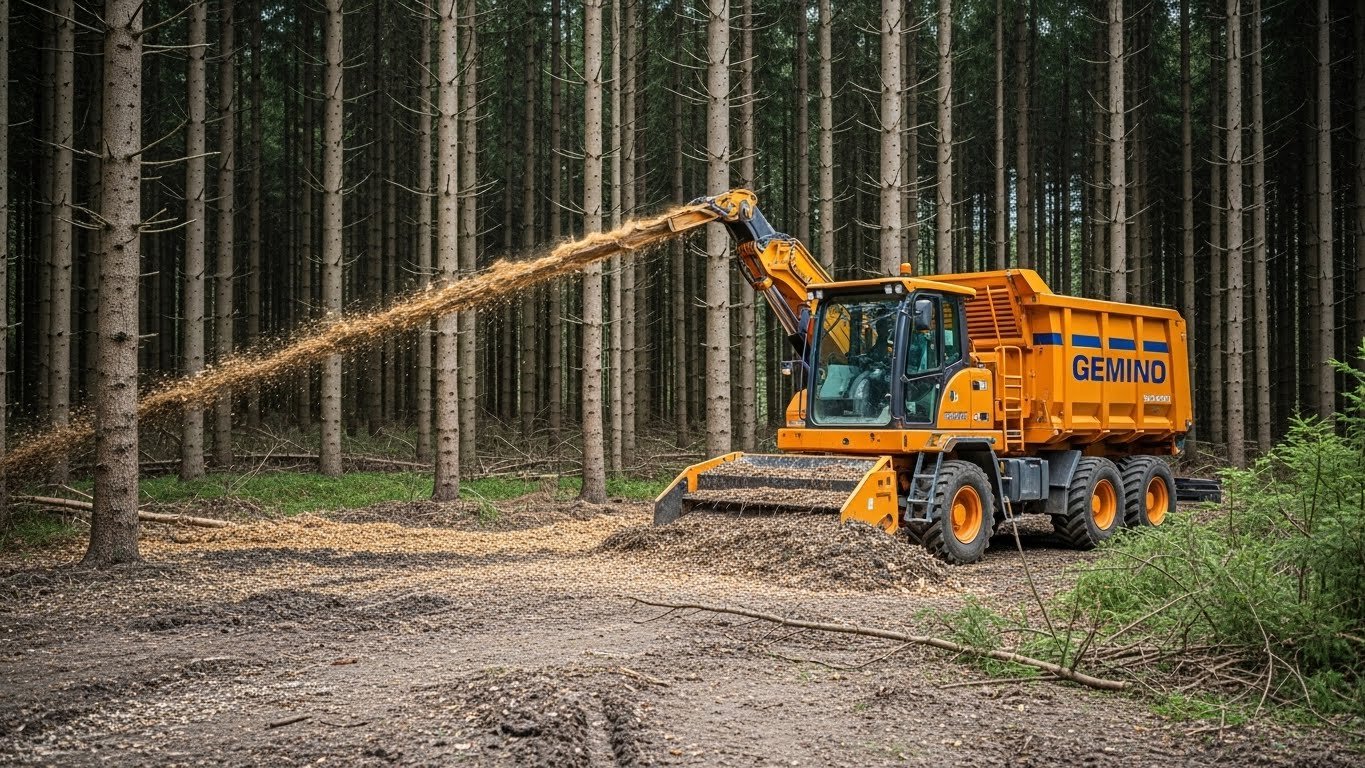
The process of forestry mulching begins with a machine equipped with a rotating drum or steel-toothed head designed to cut and grind vegetation. The operator drives the machine over the area, and the mulcher systematically reduces trees, shrubs, and brush into small, manageable mulch.
The mulch is left on-site, covering the ground and preventing erosion while allowing nutrients to return to the soil. Depending on the density of the vegetation, a mulcher can process large areas in a fraction of the time required by conventional methods.
Modern forestry mulchers come in various sizes and configurations. Some are skid-steer attachments suitable for smaller properties, while larger track-mounted or wheeled machines handle more extensive clearing projects. Operators can adjust the cutting head, speed, and torque to accommodate different vegetation types and terrain conditions.
Forestry Mulching vs. Traditional Land Clearing
Compared to traditional land clearing methods, forestry mulching is faster, cleaner, and more environmentally friendly. Bulldozing or mechanical land clearing often uproots trees, disturbs the soil, and requires transporting debris off-site. Burning or chemical clearing can damage the soil and surrounding ecosystem.
Forestry mulching, on the other hand, eliminates the need for debris removal and preserves the soil structure. The process also reduces carbon emissions since there is no burning involved, making it a more sustainable choice. Furthermore, forestry mulching requires fewer workers and equipment, resulting in lower project costs and faster completion times.
Considerations When Choosing Forestry Mulching
When planning a forestry mulching project, several factors should be considered. The type of vegetation is crucial, as dense hardwoods may require a more powerful machine than lighter brush. Terrain and slope also affect equipment choice, as some machines are better suited for steep or uneven ground.
Another consideration is environmental impact. Although forestry mulching is less disruptive than other methods, care should be taken to avoid damaging sensitive habitats or native plants. Planning the project in phases can help minimize ecological disturbance and allow for controlled regrowth.
Proper operator training is also important. Skilled operators ensure safety, maximize efficiency, and minimize damage to equipment and the surrounding environment. Finally, understanding local regulations is essential, as some areas may have restrictions on land clearing practices.
Long-Term Benefits of Forestry Mulching
The long-term benefits of forestry mulching extend beyond immediate land clearing. By returning mulch to the soil, the process supports natural regeneration and encourages healthier vegetation growth. This helps maintain the ecological balance and can improve soil fertility over time.
Forestry mulching also reduces maintenance requirements. Cleared land stays manageable for longer periods, and the risk of overgrowth or wildfire hazards is minimized. For property owners, this translates into lower ongoing management costs and enhanced property value.
Additionally, forestry mulching supports environmental conservation by minimizing habitat destruction, controlling invasive species, and promoting sustainable land management practices. For projects involving large areas of forested or overgrown land, investing in forestry mulching provides lasting benefits that align with both economic and environmental goals.
Professional Forestry Mulching Services
For larger or more complex projects, hiring professional forestry mulching services is recommended. Experts bring experience, specialized equipment, and knowledge of best practices to ensure that the project is completed efficiently and safely. Professional services also handle project planning, risk assessment, and compliance with environmental regulations, providing peace of mind for property owners.
For reliable solutions and expert support, professional services offer comprehensive land clearing, vegetation management, and restoration services tailored to individual project needs.
Conclusion
Forestry mulching is a powerful and sustainable method for clearing land, managing vegetation, and preparing properties for various uses. By combining efficiency, environmental responsibility, and cost-effectiveness, forestry mulching has become an essential tool for landowners, developers, and environmental managers. Whether for construction, agriculture, wildfire mitigation, or ecosystem restoration, forestry mulching provides long-term benefits, reduces labor requirements, and protects soil and natural habitats.
Investing in professional forestry mulching services ensures that land clearing is performed safely, efficiently, and in accordance with environmental standards. Embracing forestry mulching allows property owners to transform overgrown or challenging landscapes into functional, productive, and ecologically balanced land.