Proper waste management is a crucial aspect of residential, commercial, and industrial projects. Whether it involves a home renovation, construction site, or large-scale cleanup, managing waste efficiently ensures safety, environmental compliance, and overall organization. One of the most effective methods for handling large volumes of waste is through professional dumpster rentals. These services provide temporary containers tailored to a variety of needs, making disposal practical, convenient, and environmentally responsible.
The Importance of Professional Waste Management
Waste management is more than simply removing unwanted materials. It involves careful planning, adherence to local regulations, and efficient sorting to ensure that materials are properly disposed of or recycled. Mismanagement of waste can lead to hazards, fines, and negative environmental impact.
Dumpster rentals provide an organized solution for waste management. By offering appropriately sized containers, they allow individuals and businesses to maintain a clean workspace or property while ensuring that waste is handled responsibly. Professional services also provide guidance on what can and cannot be disposed of in a dumpster, which is essential for compliance with regulations and sustainability practices.
Understanding Dumpster Rentals
Dumpster rentals involve leasing a large container for temporary use, which is then picked up and disposed of by a waste management company. These containers vary in size, design, and purpose, catering to different types of projects and waste volumes. The rental process typically includes delivery to the project site, sufficient time for filling, and subsequent pickup and disposal by trained professionals.
The flexibility and accessibility of dumpster rentals make them ideal for a wide range of projects. Whether for home cleanouts, construction debris, landscaping waste, or commercial renovations, having a dedicated container allows for efficient and organized collection, reducing clutter and improving safety at the site.
Types of Dumpster Rentals and Their Uses
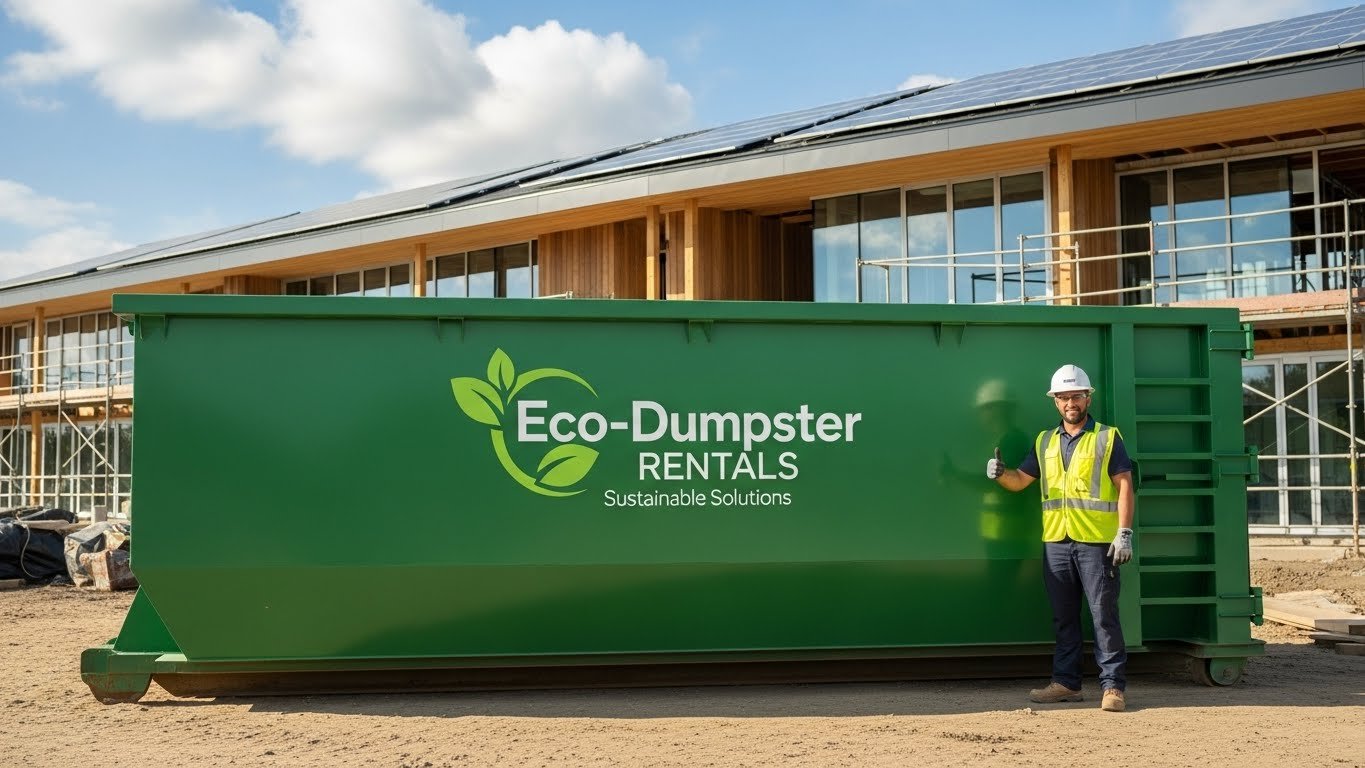
Dumpster containers come in various sizes and configurations. Small dumpsters are suitable for residential projects such as garage cleanouts, yard debris removal, or minor renovations. Medium-sized containers are commonly used for larger home remodeling projects, roof replacements, or small construction sites. Large containers are ideal for commercial or industrial projects, where waste volumes are substantial and require specialized handling.
Some dumpster services provide specialized containers for specific waste types, such as recyclable materials, concrete and asphalt, or hazardous waste. Selecting the correct type and size ensures that waste is managed efficiently and in compliance with regulations, reducing the risk of contamination or improper disposal.
Benefits of Renting a Dumpster
Using professional Dumpster Rentals offers several advantages. First, it provides convenience and efficiency. Instead of making multiple trips to a landfill or recycling center, all waste can be collected in a single container on-site. This saves time, labor, and transportation costs while streamlining the cleanup process.
Second, dumpster rentals improve safety and organization. Construction sites, renovation projects, or large cleanouts generate significant debris, which can pose tripping hazards or obstruct workflow. Having a dedicated dumpster ensures that materials are contained, reducing the risk of accidents and maintaining a cleaner environment.
Finally, professional dumpster services support environmental responsibility. Waste collected in rented containers is often sorted, recycled, or disposed of according to local regulations. This prevents illegal dumping and minimizes the environmental footprint of the project.
The Dumpster Rental Process
Renting a dumpster involves several straightforward steps. Initially, the size and type of container are selected based on the volume and type of waste expected. The rental company then schedules delivery, placing the container in a safe and accessible location at the property or job site.
Once the container is delivered, clients fill it over the agreed rental period. Professional guidance ensures that prohibited materials, such as hazardous chemicals or certain electronics, are not placed in the dumpster. At the conclusion of the rental period, the company picks up the container, properly disposes of its contents, and manages recycling or landfill requirements.
Factors to Consider When Renting a Dumpster
Selecting the right dumpster requires careful consideration of several factors. Size is one of the most important decisions, as underestimating waste volume may require additional rentals, while overestimating can increase costs unnecessarily. Rental duration is another key factor, as most projects require a flexible schedule to accommodate unforeseen delays.
Accessibility is also crucial. Placement of the dumpster should allow easy loading while avoiding obstruction of driveways, traffic, or public pathways. Additionally, understanding what types of waste are permitted and any weight limitations helps prevent extra fees or complications during pickup and disposal.
Environmental and Regulatory Compliance
Dumpster rental companies operate under strict waste management and environmental regulations. Proper disposal of materials, recycling initiatives, and avoidance of illegal dumping are integral to professional services. This compliance ensures that projects meet legal requirements while minimizing environmental impact.
Clients benefit from professional guidance on acceptable materials and best practices for separating recyclables or hazardous items. This structured approach not only protects the environment but also reduces liability for property owners or project managers.
Residential Applications of Dumpster Rentals
Homeowners frequently utilize dumpster rentals for various projects. Renovations, roof replacements, large-scale decluttering, yard cleanups, and moving out of a property generate significant amounts of waste that can be efficiently managed through a rented container.
Having a dumpster on-site allows homeowners to collect debris continuously rather than relying on multiple trips to disposal sites. This convenience simplifies project management, improves safety, and ensures that waste is handled responsibly, contributing to smoother and faster project completion.
Commercial and Construction Applications
Commercial and construction projects often generate even larger volumes of waste. Offices undergoing renovations, retail spaces being remodeled, and construction sites producing debris require efficient waste collection and disposal. Dumpster rentals provide the flexibility to handle high volumes of material safely and efficiently.
For construction sites, containers can accommodate heavy materials such as concrete, brick, or roofing debris. Professional services also provide guidance on weight limits, types of containers, and disposal regulations, ensuring compliance while maintaining project productivity.
Cost Considerations for Dumpster Rentals
Cost is an important factor when considering dumpster rentals. Pricing typically depends on container size, rental duration, type of waste, and local disposal fees. While some clients may be tempted to select the smallest, cheapest option, proper planning ensures that the container meets project needs without unexpected additional charges.
Many companies offer transparent pricing and provide guidance on estimating waste volume accurately. Investing in the correct dumpster size and rental duration upfront avoids the inconvenience and added expense of extending rental periods or ordering additional containers.
Maximizing Efficiency and Project Workflow
Using a rented dumpster strategically can improve overall project workflow. By having a central location for waste disposal, workers and homeowners can focus on their tasks without interruption. This organization reduces time spent managing debris, allows for safer movement around the project site, and enhances overall efficiency.
Strategic placement of the dumpster also helps prevent overfilling and simplifies sorting of materials for recycling or disposal. Professional dumpster services often offer advice on the optimal location and configuration to maximize efficiency while maintaining safety and accessibility.
Tips for Safe and Responsible Dumpster Use
Safety and responsibility are critical when using a rented dumpster. Overloading containers, placing prohibited materials inside, or positioning the container unsafely can create hazards or result in fines. Following company guidelines and local regulations ensures a smooth rental experience.
Clients should avoid climbing into dumpsters, placing flammable or hazardous materials inside, and exceeding weight limits. Properly organizing waste inside the container and adhering to placement instructions promotes both safety and efficiency.
Conclusion:
Professional dumpster rentals provide an essential service for homeowners, contractors, and businesses. By offering appropriately sized containers, safe disposal methods, and regulatory compliance, these services simplify waste management and promote environmental responsibility.
Whether managing residential cleanouts, commercial renovations, or construction debris, dumpster rentals make waste collection efficient, organized, and safe. Working with a reputable rental service ensures that projects run smoothly, debris is handled correctly, and environmental impact is minimized. Investing in professional dumpster rentals is a practical decision that enhances project efficiency, safety, and sustainability, making it a cornerstone of responsible waste management.