
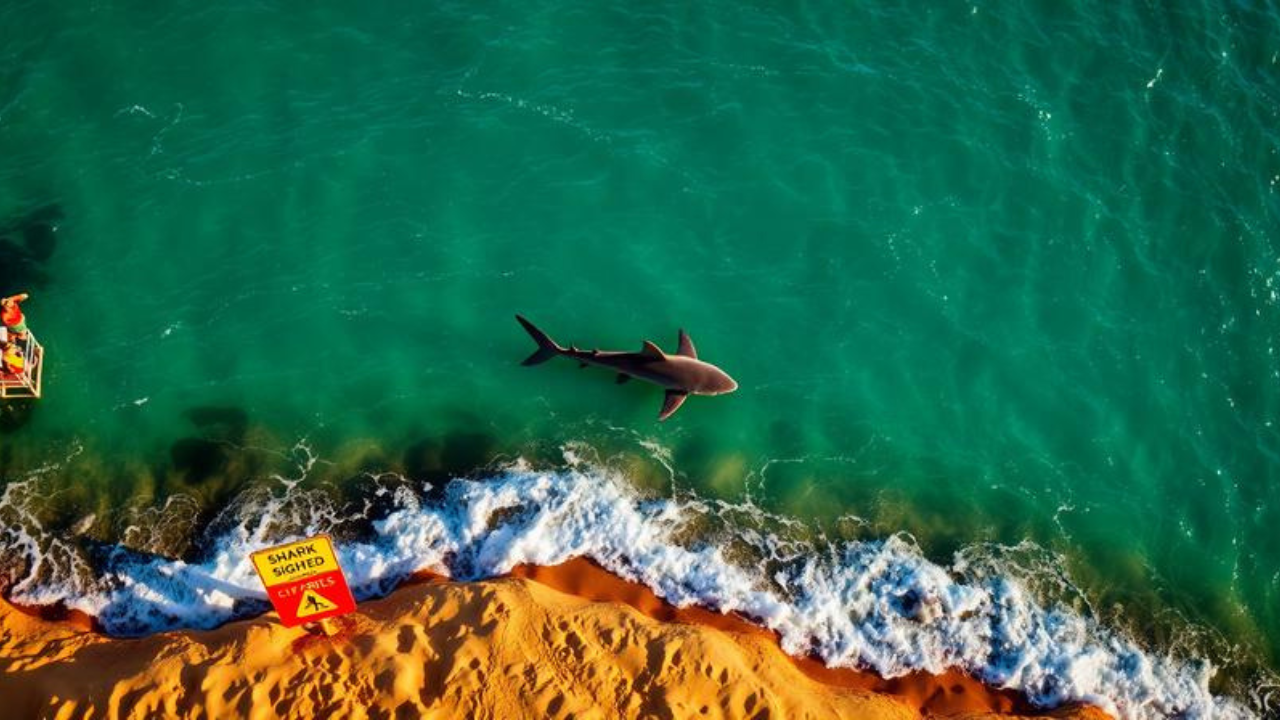
loha, and welcome to the paradise of O‘ahu’s North Shore, where the sun-kissed sands of Waimea Bay meet the rhythmic crash of legendary winter waves. But for all its allure, the bay is also a home to some of the ocean’s most fascinating apex predators. When you hear the phrase Waimea Bay shark advisory tiger shark, it signals a specific moment where caution takes center stage, reminding us that we are merely visitors in a vibrant marine world. This article provides a detailed, factual look at what these advisories mean, why tiger sharks are drawn to this famous bay, and how you can safely enjoy this stunning Hawaiian destination.
Recent 2025–2026 Shark Sighting Timeline at Waimea Bay
Waimea Bay has seen a notable increase in shark activity over the past year, prompting several official responses from the Honolulu Ocean Safety Department. Here is a detailed timeline of confirmed sightings:
-
January 2025: An 8- to 10-foot shark was observed near the shoreline, specifically where the river empties into the ocean at Waimea Bay. The advisory was accompanied by a brown water advisory due to recent heavy rains, which can attract sharks looking for prey flushed out by runoff.
-
July 24, 2025: A 6-8 foot shark was spotted approximately 50 yards from the shore. Warning signs were promptly posted, and beachgoers were alerted to the presence of the animal.
-
August 20, 2025: An official shark advisory was issued after a 6-7 ft tiger shark was observed swimming in a non-aggressive manner 150 yards out in the middle of the bay. The alert was sent out at 9:50 a.m. via the HNL Alert system.
-
September 3, 2025: Warning signs were again posted after two sharks were observed feeding on a bait ball in the middle of the bay. This event highlighted the seasonal feeding frenzies that can occur.
-
December 2025: Lifeguards confirmed a six-foot shark cruising right along the shoreline. This close-to-shore sighting prompted Ocean Safety crews to deploy red-and-yellow “Shark Sighted” signs and urge beachgoers to stay out of the water.
-
April 2026: Regular monitoring continues, with lifeguards maintaining vigilance and the public encouraged to subscribe to HNL Alerts for real-time updates.
The recurrence of these advisories underscores that shark sightings at Waimea Bay are a regular, seasonal phenomenon, not a freak accident.
Why Waimea Bay? Understanding the Tiger Shark’s Presence
You might wonder why this specific bay is such a hotspot for tiger shark activity compared to other beaches. The answer lies in the unique geography and ecology of the North Shore.
The River Mouth Effect
One of the biggest risk factors for shark encounters is murky water near stream mouths. As the DLNR (Department of Land and Natural Resources) warns, these areas, especially after heavy rains, are “known to be frequented by sharks”. Waimea Bay features a significant river outlet that empties directly into the ocean. After a storm, this outlet flushes nutrients, dead animals, and debris into the bay, creating a perfect feeding ground for tiger sharks.
The Seasonal Fish Spawn
Shark expert Carl Meyer of the Hawaii Institute of Marine Biology explained that increased sightings often align with the spawning season of juvenile akule (halalu). Large schools of these fish form in sheltered bays like Waimea in mid-to-late September, and “the schools of fish are probably attracting sharks close to the shoreline where they are easier to spot”. This creates a seasonal buffet for predators, bringing them into the same waters where tourists love to swim.
Mating and Migration Patterns
Scientific research has revealed that tiger sharks in Hawaii are wide-ranging, patrolling up to 109 km of contiguous coastline, with visits to specific spots often lasting less than four minutes. However, studies show that tiger sharks are detected on more days (62–80%) around ocean recreation sites on Maui compared to Oahu (<6%). This suggests that while Oahu sees transient visitors, the sharks are constantly on the move, and Waimea Bay simply lies along their migratory highway.
A History of Advisories and Close Calls
While fatal attacks at Waimea Bay are exceptionally rare, the bay has a long history of shark advisories that serve as cautionary tales for ignoring warnings.
-
2002 Dolphin Attack: In one of the most dramatic incidents, lifeguards closed the beach after witnessing a large shark (estimated 10-12 feet) attacking a spinner dolphin. Six people stranded on the rocks had to be rescued by jet ski.
-
2017 Aggressive Feeding Frenzy: Multiple aggressive sharks were seen thrashing just 5 yards offshore, likely feeding on schools of fish. Despite lifeguards posting signs and warning people to stay out, some beachgoers continued to swim, leading officials to label it a “dangerous situation”. A 10-foot tiger shark was also reported by fishermen at dawn that same week.
-
2019 Near-Shore Feeding: Sharks measuring 4-5 feet were spotted feeding just 10 to 30 yards from shore, forcing a beach closure.
These historical events confirm that when the fish are present, the sharks follow, and ignoring warning signs puts you at significant risk.
Recognizing the Signs: How Advisories Work
When a Waimea Bay shark advisory is issued, local officials follow a strict, multi-step protocol to ensure public safety.
-
Sighting Confirmation: A lifeguard, Ocean Safety personnel, or a reliable source spots a shark.
-
Immediate Alert: An HNL Alert is pushed out to subscribers via text message and email.
-
Signs on the Sand: Lifeguards place highly visible bright red-and-yellow “Shark Sighted” signs on the beach at the location of the sighting.
-
Water Evacuation: Depending on the size and behavior of the shark, lifeguards may clear people from the water.
-
Continuous Monitoring: Lifeguards keep a close eye on the area until the shark is no longer seen. Signs typically remain up for 24 hours or longer if the shark remains in the area.
As the Honolulu Ocean Safety Department advises: “If you see or encounter a shark, notify Ocean Safety personnel or call 911 immediately. Always check with a lifeguard for the latest ocean and beach conditions”.
Visitor Safety Guide: The 10 Golden Rules
To reduce your risk of an unwanted encounter during your visit, follow these ten safety tips, adapted directly from the Hawaii DLNR guidelines:
-
Always Swim with a Buddy: Sharks are less likely to approach a group.
-
Avoid Dawn, Dusk, and Night: These are prime feeding times. However, remember that tiger sharks may bite at any time of day.
-
No Open Wounds: Do not enter the water if you are bleeding. Sharks can detect blood in extremely small concentrations.
-
Steer Clear of Murky Water: Avoid harbor entrances, stream mouths (especially after heavy rain), channels, and steep drop-offs.
-
Ditch the Bling: Do not wear high-contrast clothing or shiny jewelry. Sharks see contrast very well.
-
Keep It Calm: Refrain from excessive splashing. Keep pets (which swim erratically) out of the water.
-
Leave Immediately if Sighted: If you see a shark, leave the water quickly and calmly. Do not provoke or harass the animal.
-
Watch the Wildlife: If fish or turtles start behaving erratically, leave the water. Be alert to dolphins, as they are prey for large sharks.
-
Stay Away from Fishing: Do not swim near people fishing or spearfishing. Stay away from dead animals in the water.
-
Listen to the Lifeguards: Only swim at beaches patrolled by lifeguards, and follow their advice without exception.
What to Do If You See a Shark
In the moment of a sighting, panic is your worst enemy. Experts and lifeguards are clear on the protocol:
-
Do Not Splash: Erratic movements can mimic injured prey and attract the shark closer.
-
Maintain Eye Contact: Sharks are ambush predators. By facing the shark and keeping it in sight, you signal that you have seen it.
-
Back Away Slowly: Move toward the shore or a boat without turning your back on the animal.
-
Alert Others: Yell to nearby swimmers and alert the lifeguard immediately.
-
Report It: Once safe, call 911 or tell Ocean Safety personnel so they can post signs and warn others.
Why You Should Sign Up for HNL Alerts
The single best way to stay ahead of a Waimea Bay shark advisory is to subscribe to the Honolulu city alert system.
How to Sign Up:
-
Visit hnlalert.gov to create a free account.
-
Or, simply text “HNLALERT” to 888777 from your mobile phone.
These alerts deliver real-time warnings not just for sharks, but also for high surf, jellyfish invasions, and other immediate hazards. If you plan on visiting the North Shore, this subscription is an absolute necessity.
Conclusion
The Waimea Bay shark advisory tiger shark warnings are not a sign of danger, but a sign of a healthy, functioning ecosystem. Tiger sharks are the guardians of balance in Hawaiian waters, and their presence is a testament to the rich marine life that makes this destination so magical. By understanding why they visit, respecting the lifeguards’ warnings, and taking simple, proactive safety measures, you can enjoy the breathtaking beauty of Waimea Bay with confidence rather than fear.