Introduction
Imagine snorkeling in crystal-clear Hawaiian waters alongside sea turtles, spinner dolphins, and vibrant reef fish—all without the crowds of Hanauma Bay or the entrance fees that come with popular tourist destinations. For many visitors to Oahu, this sounds too good to be true. The challenge is finding a snorkeling spot that offers exceptional marine life, easy access, and a truly unique experience without breaking the bank or battling massive crowds.
Enter Kahe Point, a hidden gem on Oahu’s leeward coast that locals affectionately call “Electric Beach.” This remarkable destination delivers exactly what travelers crave: warm, clear waters teeming with marine life, free admission, and a story unlike any other beach in Hawaii.
This comprehensive guide covers everything you need to know about Kahe Point—from its fascinating history and unique ecosystem to practical tips for snorkeling, safety considerations, and the cultural significance that makes this place special. Whether you’re a seasoned snorkeler or a curious traveler, you’ll discover why Kahe Point deserves a spot on your Oahu itinerary.
What Is Kahe Point?
Kahe Point is a cape located on the southwest leeward coast of Oahu, in Honolulu County, Hawaii. Its coordinates are approximately 21.35184° north latitude and -158.13062° west longitude, with an elevation of about 3 feet (1 meter) above sea level. The point sits just north of the Ko Olina Resorts and is accessible via Farrington Highway.
The Electric Beach Nickname
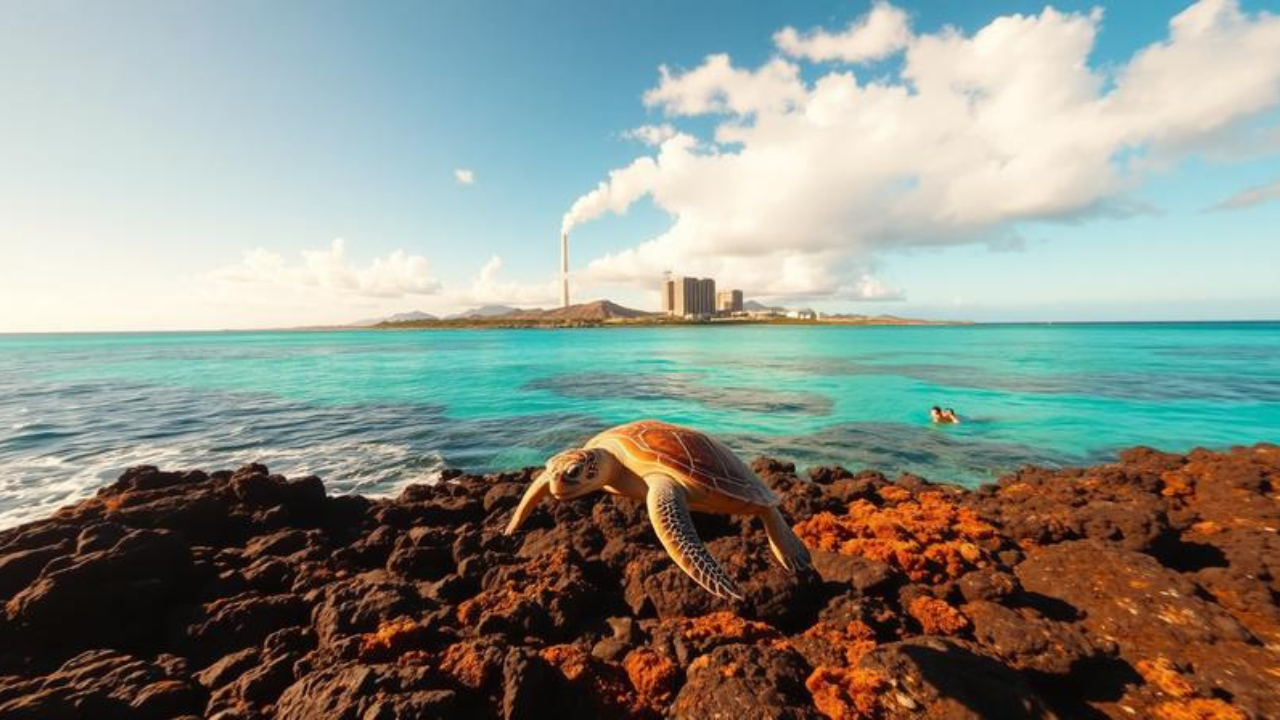
What makes Kahe Point truly unique is its proximity to the Kahe Power Plant, operated by the Hawaiian Electric Company. The power plant uses seawater as a coolant, and the expelled water returns to the ocean significantly warmer than the surrounding water. This thermal discharge creates an artificial reef ecosystem that attracts an extraordinary concentration of marine life.
Because of this phenomenon, locals and visitors alike refer to Kahe Point as Electric Beach—a name that captures both the industrial origin of its warmth and the electric experience of snorkeling there.
Location and Access
Kahe Point Beach Park is located at 92-301 Farrington Highway, Kapolei, HI 96707. It’s about a 45-minute drive from Waikiki when traffic is light. For those relying on public transportation, bus stops are located at both the north and south ends of the Kahe Power Plant.
The park is open daily from 6:00 AM to 10:00 PM. Best of all, admission is completely free—a rarity among Oahu’s top snorkeling destinations.
Nearby Landmarks
To the southeast of Kahe Point lies Barber’s Point Field (Kalaeloa Airport). The area is also close to Ko Olina Beach Park and the community of Makakilo Heights. The beach park itself lines the south end of Nanakuli in a broad, sandy stretch.
Why Kahe Point Matters: Benefits of Visiting
World-Class Snorkeling and Diving
Kahe Point has earned a reputation as one of Oahu’s premier snorkeling and shore-diving locations. Many visitors report that it rivals—and sometimes surpasses—the more famous Hanauma Bay. The clear waters and abundant marine life make for an unforgettable underwater experience.
What creatures can you expect to see? The list is impressive:
-
Colorful reef fish in dazzling varieties
-
Hawaiian green sea turtles (honu)
-
Spinner dolphins swimming near the shore
-
Spotted moray eels
-
Reef sharks
-
Octopus
-
Monk seals (occasionally)
Warm Water for Year-Round Comfort
The warm water discharge from the power plant creates a consistently comfortable swimming environment. This thermal plume doesn’t just attract marine life—it makes snorkeling more enjoyable, especially during cooler months when other beaches might feel chilly.
Free Admission and Amenities
Unlike many popular Hawaiian attractions, Kahe Point Beach Park charges no entrance fee. The park offers:
-
Free parking
-
Showers and restrooms
-
Picnic tables
-
Park benches with ocean views
-
Lifeguard station with rescue equipment
Photography Opportunities
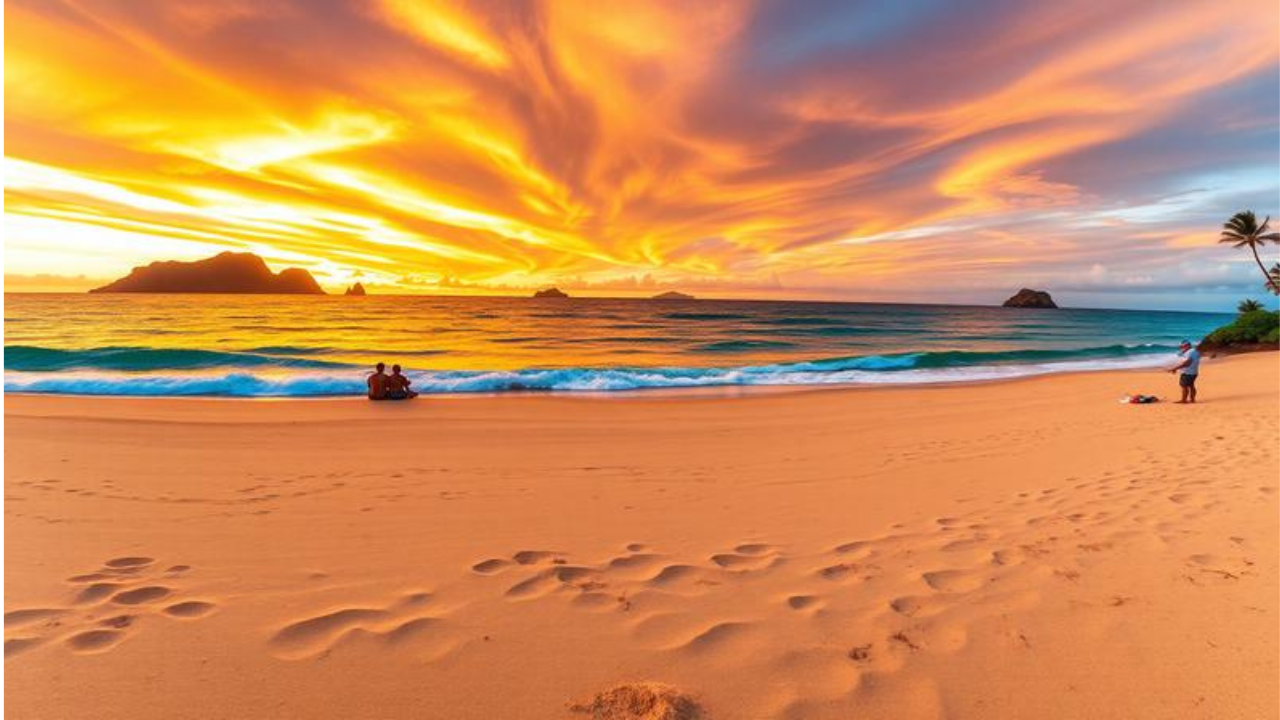
The beach might be relatively small, but the photography opportunities are abundant. From coastal views and dramatic sunsets to close-up shots of marine life and tide pools, Kahe Point offers countless moments worth capturing.
Cultural and Historical Significance
Beyond its natural attractions, Kahe Point holds deep cultural meaning for Native Hawaiians. The area has long been a place of abundant wai (water), flowing at the outlet of Keone‘ō‘io, feeding the fishponds of Waimānalo, and sustaining nutrient-rich waters down to Kalaeloa. The blessing of water has long been a source of wai-wai (wealth) for the community.
In 2026, a new mural called “Nā ‘Ili o Kahe” was unveiled at Kahe Point Beach Park, reanimating stories of five adjacent land sections within the Honouliuli ahupua‘a (traditional Hawaiian land division). This artwork celebrates the dualism of uka (upland) and kai (sea), helping reconnect the community to these ancestral stories.
Step-by-Step Guide: How to Make the Most of Your Visit
Step 1: Plan Your Timing
Best time to visit: Summer months offer calmer conditions ideal for swimming and snorkeling. Winter can bring higher surf and stronger currents.
Best time of day: Early morning typically offers the calmest waters and best visibility. The park opens at 6:00 AM.
How long to spend: Visitors typically spend about 2 hours at the beach.
Step 2: Prepare Your Gear
Essential items to bring:
-
Snorkel, mask, and fins (rentals available nearby if you don’t have your own)
-
Reef shoes or water shoes—the shoreline has sharp rocks
-
Sunscreen (reef-safe, please—Hawaii has banned sunscreens containing oxybenzone and octinoxate)
-
Water and snacks
-
Underwater camera for capturing marine life
-
Towel and change of clothes
Step 3: Get There
By car: Take Highway H1 west to Farrington Highway, then head north along the Waianae Coast until you reach the beach and power plant.
By bus: Public bus stops are located at both the north and south ends of the Kahe Power Plant.
Parking: Free parking is available near the rocky shoreline across from the south entrance to the power plant (the area formally known as Kahe Point Beach Park), as well as alongside the road north of the plant.
Step 4: Enter the Water Safely
The shoreline around the intake and discharge pipes is fenced off for safety. The best place to enter the ocean is a narrow sandy beach just south of the discharge pipe. It’s also possible to enter from the extended sandy beach north of the intake pipes.
Important: Be aware of the currents from both the intake and discharge pipes. These can be strong, so exercise caution.
Step 5: Swim Out to the Discharge Pipe
The magic happens about 100 yards offshore at the discharge pipe. This is where warm water attracts the highest concentration of marine life. Swimming to the end of the pipe takes some effort and stamina, but the rewards are well worth it.
Step 6: Explore and Enjoy
Once you reach the pipe area, take your time exploring. Keep a respectful distance from marine life—especially turtles and dolphins—and never touch or harass the animals. If you’re lucky, you might spot dolphins swimming near the shore or even see a monk seal resting on the beach.
Step 7: Know When to Exit
Pay attention to conditions. If the surf picks up or currents strengthen, head back to shore. The lifeguard station provides reassurance, but your safety is ultimately your own responsibility.
Common Mistakes to Avoid
Mistake #1: Underestimating the Currents
This is perhaps the most common and dangerous mistake visitors make. The power plant’s intake and discharge pipes create significant currents that can be challenging even for experienced swimmers. Many guides recommend Electric Beach for intermediate to experienced snorkelers and divers only—not beginners.
How to avoid it: Assess conditions before entering. If the surf looks rough, don’t go in. Know your skill level and don’t push beyond your limits.
Mistake #2: Forgetting Reef Shoes
The shoreline is rocky and sharp. Walking barefoot can lead to painful cuts and injuries.
How to avoid it: Pack reef shoes or water shoes. They’re inexpensive and essential for this location.
Mistake #3: Ignoring Safety Signage
The area around the intake and discharge pipes is fenced off for a reason—the currents are dangerously strong.
How to avoid it: Respect all safety barriers and warnings. Enter the water only at designated access points.
Mistake #4: Going Alone
While the beach has lifeguards, snorkeling alone always carries additional risk.
How to avoid it: Always snorkel with a buddy. Keep an eye on each other and stay within sight of shore.
Mistake #5: Expecting a Resort Experience
Some visitors arrive expecting pristine, resort-style amenities. The facilities at Kahe Point are functional but not luxurious.
How to avoid it: Come with realistic expectations. The showers and restrooms are basic. The beach is small but picturesque. Focus on the underwater experience—that’s where Kahe Point truly shines.
Mistake #6: Disturbing Marine Life
Touching turtles, chasing dolphins, or standing on coral reefs damages the ecosystem and is illegal in Hawaii.
How to avoid it: Observe from a respectful distance. Take only photos, leave only bubbles.
Frequently Asked Questions
1. Is Kahe Point safe for children?
Generally, no. The strong currents make this location not very kid-friendly. The water can be rough, and swimming to the best snorkeling spots requires stamina. If you’re traveling with young children, consider the calmer lagoons at nearby Ko Olina instead.
2. Do I need to pay for entry?
No. Kahe Point Beach Park is completely free to enter. Parking is also free.
3. When is the best time to visit?
Summer offers the calmest conditions for swimming and snorkeling. Early mornings typically provide the best visibility and calmest waters. The park is open from 6:00 AM to 10:00 PM daily.
4. Can I surf at Kahe Point?
Yes! The consistent swells at Kahe Point offer exciting wave-riding opportunities. Surfers and bodyboarders can often be found to the right of the point. However, conditions can be challenging, so this spot is best for intermediate to experienced surfers.
5. Is Kahe Point the same as Kaena Point?
No—and this is a common point of confusion. Kahe Point is on the southwest coast of Oahu near Kapolei, while Kaena Point is on the northwestern tip of Oahu. They are entirely different locations with different characteristics. Kaena Point is known for hiking and wildlife viewing, while Kahe Point is famous for snorkeling.
6. What’s the history behind Kahe Point?
Originally known as “Brown’s Camp” in the early 1900s, Kahe Point became a designated park in 1952. The landscape transformed in the 1960s with the construction of the power plant, whose warming effect turned the area into a renowned snorkeling destination. During World War II, Kahe Point was also the site of a U.S. Army Military Reservation established in 1942. Following the bombing of Pearl Harbor, the strategic vantage point was chosen as a potential site for gun turrets recovered from the USS Arizona.
Conclusion
Kahe Point, or Electric Beach, offers one of Oahu’s most unique and rewarding snorkeling experiences. From its warm, marine-rich waters created by the nearby power plant to its free admission and stunning coastal views, this hidden gem delivers exceptional value for travelers seeking authentic Hawaiian adventures.
Whether you’re swimming alongside sea turtles, exploring vibrant coral reefs, or simply enjoying a picnic with an ocean view, Kahe Point showcases the best of Hawaii’s natural beauty—with a fascinating industrial twist that makes it truly one of a kind.
Remember to prioritize safety, respect the marine life, and come prepared with proper gear. With the right approach, your visit to Kahe Point will be an unforgettable highlight of your Oahu journey.
Looking for more Oahu adventures? Check out our guide to the top 10 snorkeling spots on Oahu, or learn about the island’s rich cultural heritage through its sacred sites and historical landmarks. Subscribe to our newsletter for more travel tips and hidden gems across the Hawaiian Islands.