
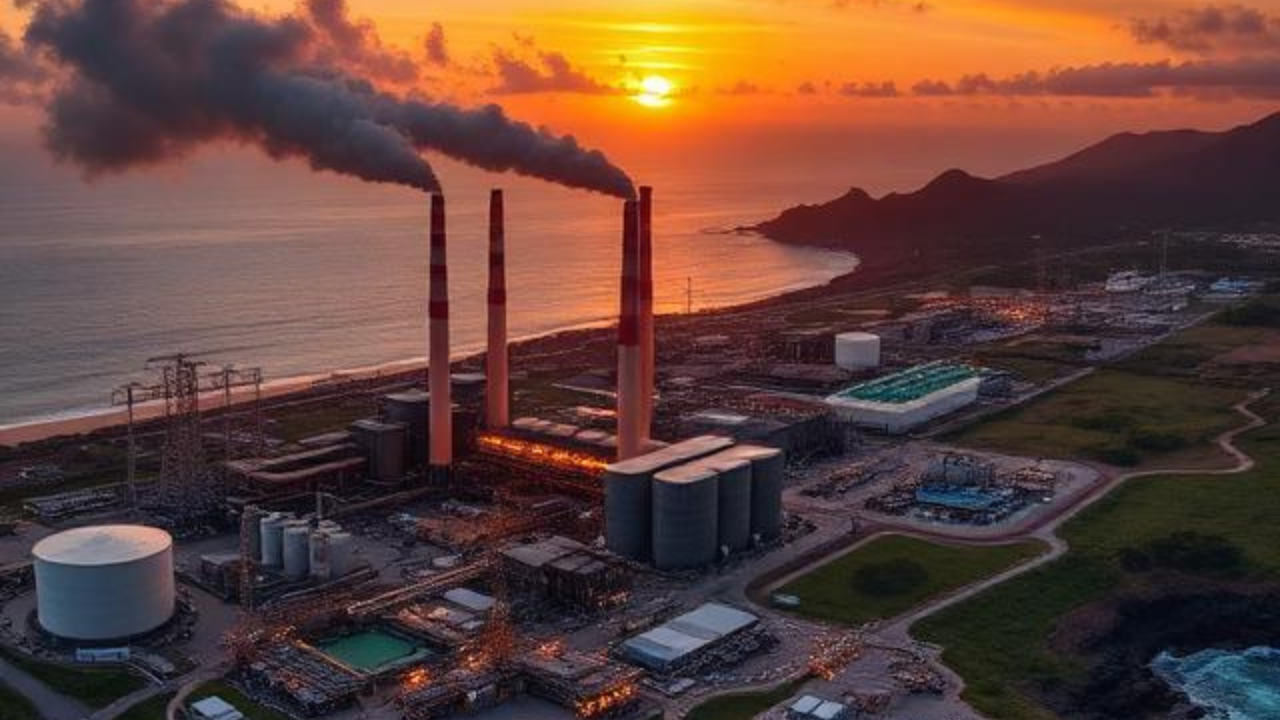
The Hawaiian Electric Kahe Power Plant has played a vital role in Hawaii’s energy infrastructure for decades. Located on the island of Oahu, the facility has served as one of the state’s most important sources of electricity, helping power homes, businesses, hospitals, and critical services. As Hawaii continues its transition toward renewable energy, the Kahe Power Plant remains a significant part of the conversation surrounding energy reliability, sustainability, and grid modernization.
Understanding the plant’s history, operations, environmental impact, and future plans can provide valuable insight into Hawaii’s evolving energy landscape. This article explores everything you need to know about the Hawaiian Electric Kahe Power Plant and its role in supporting the state’s ambitious clean-energy goals.
What Is the Hawaiian Electric Kahe Power Plant?
The Hawaiian Electric Kahe Power Plant is a major electricity-generating facility operated by Hawaiian Electric on Oahu’s leeward coast near Nanakuli. Since its development in the 1960s, the plant has been one of the largest power-generating stations in Hawaii.
Designed primarily as a fossil-fuel-powered facility, Kahe has historically provided a substantial portion of Oahu’s electricity demand. The plant consists of multiple generating units that work together to ensure a stable and reliable power supply for residents and businesses across the island.
Its strategic location and generation capacity have made it a cornerstone of Hawaii’s electric grid for many years.
History of the Kahe Power Plant
The rapid population growth and economic development experienced by Hawaii during the mid-20th century created an increasing demand for electricity. To meet this demand, Hawaiian Electric developed several generating facilities, including the Kahe Power Plant.
Early Development
Construction of the plant began during a period when oil-fired power generation was considered the most practical solution for island communities. Unlike mainland electrical systems that can import power from neighboring regions, Hawaii operates isolated grids, making local generation essential.
The Kahe facility was built to provide:
- Reliable electricity generation
- Increased grid stability
- Capacity to support future growth
- Emergency backup power resources
Over time, additional generating units were added to expand capacity and improve operational flexibility.
Growth and Modernization
As energy demand increased, the facility underwent multiple upgrades. These improvements focused on:
- Enhancing efficiency
- Improving reliability
- Meeting environmental regulations
- Supporting evolving grid requirements
Although renewable energy has become increasingly important in recent years, the plant continues to serve as a critical component of Oahu’s energy infrastructure.
How the Hawaiian Electric Kahe Power Plant Works
Like many traditional power stations, the Kahe facility converts fuel into electricity through a series of mechanical and electrical processes.
Fuel Combustion
The plant primarily uses fuel oil to generate energy. Fuel is burned in large boilers to produce high-pressure steam.
Steam Generation
The steam created during combustion is directed toward turbines. These turbines rotate at high speeds, converting thermal energy into mechanical energy.
Electricity Production
The rotating turbines drive generators that produce electricity. The generated power is then transmitted through Oahu’s electrical grid to consumers across the island.
Grid Support Functions
Beyond electricity generation, the facility also helps:
- Maintain grid frequency
- Provide reserve power
- Respond to sudden changes in demand
- Support renewable energy integration
These functions are particularly important for island grids that lack connections to neighboring power systems.
Importance to Oahu’s Energy System
The Hawaiian Electric Kahe Power Plant has long been considered one of the most significant power generation assets on Oahu.
Reliable Electricity Supply
Reliability remains one of the plant’s primary benefits. Power demand fluctuates throughout the day, and the facility helps ensure electricity remains available during periods of high consumption.
Emergency Preparedness
Natural disasters, severe weather events, and unexpected equipment failures can disrupt power generation. Facilities like Kahe provide valuable backup capacity that helps maintain grid stability during emergencies.
Support for Economic Activity
Businesses, tourism facilities, healthcare centers, schools, and government operations depend on consistent electricity. The plant contributes to maintaining these essential services.
Environmental Considerations
As discussions about climate change and sustainability continue to grow, fossil-fuel-powered facilities face increasing scrutiny regarding their environmental impact.
Greenhouse Gas Emissions
Traditional power plants that burn fuel oil produce carbon dioxide and other greenhouse gases. These emissions contribute to global climate concerns and have encouraged Hawaii to pursue cleaner energy alternatives.
Air Quality Management
Modern regulations require power plants to monitor and manage emissions carefully. Operational improvements and environmental compliance measures help reduce impacts on surrounding communities.
Renewable Energy Transition
Hawaii has established some of the most ambitious renewable energy goals in the United States. These goals are influencing long-term planning for facilities like Kahe.
Hawaii’s Renewable Energy Goals
Hawaii is recognized as a leader in renewable energy adoption. The state has committed to achieving 100% renewable electricity generation in the coming decades.
Several renewable resources are helping drive this transition:
Solar Energy
Hawaii’s abundant sunshine makes solar power a natural fit. Residential, commercial, and utility-scale solar installations continue to expand throughout the islands.
Wind Energy
Wind farms contribute significant amounts of renewable electricity, particularly on islands with favorable wind conditions.
Battery Energy Storage
Large-scale battery systems help store renewable energy and provide power when solar and wind generation fluctuate.
Emerging Technologies
Future energy solutions may include:
- Advanced energy storage
- Green hydrogen systems
- Smart grid technologies
- Distributed energy resources
- Microgrids
These innovations are expected to reduce dependence on conventional power plants over time.
The Future of the Hawaiian Electric Kahe Power Plant
As Hawaii moves toward cleaner energy sources, the role of the Kahe facility is gradually evolving.
Transition Planning
Energy planners face a complex challenge: reducing fossil fuel use while maintaining reliable electricity service. Power plants cannot simply be shut down without ensuring replacement resources are available.
Several factors influence future decisions:
- Renewable energy deployment rates
- Battery storage capacity
- Grid reliability requirements
- Economic considerations
- Environmental policies
Reliability During the Transition
One reason facilities like Kahe remain important is their ability to provide dependable generation when renewable resources are unavailable.
For example:
- Solar production declines at night.
- Cloud cover can reduce output.
- Wind speeds fluctuate.
- Extreme weather may affect renewable systems.
Until storage technology and renewable capacity fully meet demand, conventional generation may continue to play a supporting role.
Potential Retirement and Replacement
Long-term energy plans may eventually lead to reduced reliance on older fossil-fuel facilities. Future replacements could include combinations of:
- Utility-scale solar farms
- Wind projects
- Battery storage systems
- Renewable fuel technologies
- Grid modernization initiatives
The timeline for these changes depends on technical, financial, and regulatory factors.
Challenges Facing Hawaii’s Energy Sector
The transition from conventional generation to renewable energy presents several challenges.
Geographic Isolation
Unlike mainland regions, Hawaii cannot import electricity through interstate transmission networks. Each island must largely generate its own power.
High Energy Costs
Fuel transportation expenses can contribute to higher electricity costs. Renewable energy offers an opportunity to reduce dependence on imported fuels.
Grid Stability
Maintaining stable electricity service becomes more complex as renewable generation increases. Utilities must carefully balance supply and demand at all times.
Infrastructure Investment
Significant investments are required to:
- Upgrade transmission systems
- Expand renewable capacity
- Install battery storage
- Improve grid management technologies
These investments are essential for achieving long-term sustainability goals.
Benefits of a Balanced Energy Approach
Many energy experts advocate for a balanced strategy that combines renewable resources with reliable backup generation during the transition period.
Benefits include:
- Improved grid reliability
- Reduced risk of outages
- Greater renewable integration
- Enhanced emergency preparedness
- More gradual infrastructure adaptation
The Hawaiian Electric Kahe Power Plant continues to serve as part of this broader energy strategy while renewable projects expand across the state.
Frequently Asked Questions
Where is the Hawaiian Electric Kahe Power Plant located?
The plant is located on Oahu’s western coast near Nanakuli, Hawaii.
What fuel does the Kahe Power Plant use?
The facility has historically operated using fuel oil to generate electricity.
Why is the plant important?
It provides significant generation capacity, grid reliability, and backup power support for Oahu’s electrical system.
Is Hawaii moving away from fossil fuels?
Yes. Hawaii has established ambitious renewable energy goals and continues investing in solar, wind, battery storage, and other clean-energy technologies.
Will the Kahe Power Plant close?
Future plans will depend on renewable energy development, grid reliability requirements, and energy policy decisions. Any transition is expected to occur gradually to maintain reliable service.
Conclusion
The Hawaiian Electric Kahe Power Plant has been a cornerstone of Oahu’s power system for decades, helping deliver reliable electricity to residents and businesses across the island. While Hawaii continues advancing toward a renewable energy future, the facility remains an important part of maintaining grid stability during this transition.
As solar energy, wind power, battery storage, and other clean technologies expand, the role of traditional generation assets will continue to evolve. Understanding the significance of the Kahe Power Plant provides valuable insight into the challenges and opportunities shaping Hawaii’s energy future.
Call to Action: Interested in Hawaii’s evolving energy landscape? Follow developments in renewable energy, grid modernization, and utility infrastructure to stay informed about how the islands are building a more sustainable and resilient future