
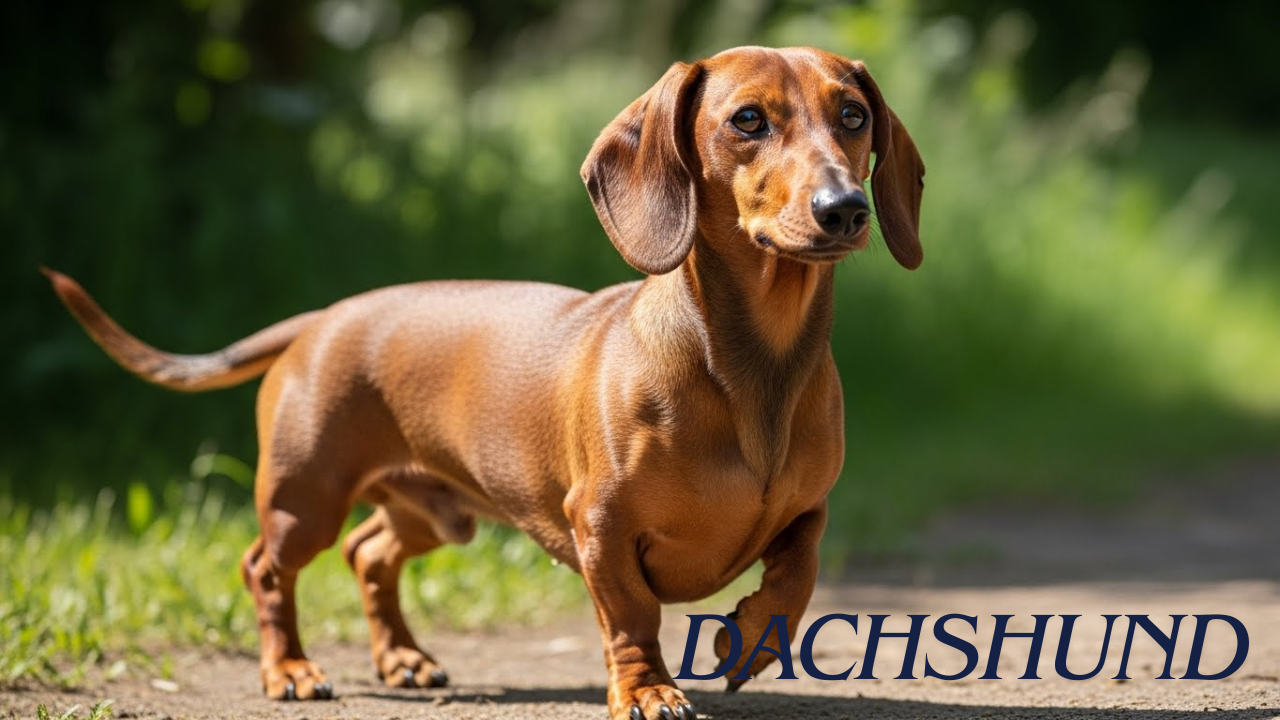
Dachshunds are more than just adorable little dogs with long bodies and short legs; they are a unique blend of personality, charm, and spunk. Often affectionately referred to as “wiener dogs,” these spirited companions have captured the hearts of dog lovers around the world. Whether you’re considering adding one to your family or simply curious about this fascinating breed, understanding what makes Dachshunds so special is essential. From their rich history to their quirky traits, let’s dive into the delightful world of Dachshunds!
History and Origin of the Breed
Dachshunds have a storied past that dates back to the 15th century. Originating in Germany, their name literally translates to “badger dog,” reflecting their initial purpose. These dogs were bred for digging into burrows and hunting badgers.
As the years rolled on, Dachshunds became beloved companions across Europe. Their unique shape made them particularly adept at navigating tight spaces, which was essential for hunters of small game.
By the late 19th century, these charming canines began making waves outside of Germany. The breed’s popularity soared in England and later in America, where they captured hearts with their playful demeanor and distinctive appearance.
Today’s Dachshunds are far more than mere hunters; they embody loyalty and affection as family pets while still maintaining a connection to their historical roots as courageous little explorers.
Physical Characteristics and Traits of a Dachshund
Dachshunds are easily recognizable thanks to their distinctive long bodies and short legs. This unique physique allows them to dig into burrows, a trait rooted in their history as hunting dogs.
Their coat comes in three varieties: smooth, long-haired, and wire-haired. Each type adds its own flair to the breed’s appearance. Smooth Dachshunds have sleek fur that shines; the long-haired variety boasts flowing locks; while wire-haired Dachshunds present a scruffy charm with a coarse texture.
The head is long and narrow, featuring expressive eyes that radiate curiosity and intelligence. Their ears hang down gracefully, adding an extra layer of cuteness.
Colors vary widely—from classic chocolate brown to dappled patterns—ensuring each Dachshund has its own unique look. Despite their small stature, these dogs carry themselves with confidence and pride.
Popular Variations: Standard, Miniature, and Toy Dachshunds
Dachshunds come in three popular sizes: Standard, Miniature, and Toy. Each variation has its own charm and appeal.
Standard Dachshunds typically weigh between 16 to 32 pounds. They are sturdy and robust, perfect for those who appreciate a slightly larger companion. Their playful demeanor makes them ideal family pets.
Miniature Dachshunds are the most famous variety. Weighing under 11 pounds, they fit snugly into cozy spaces while still bringing big personalities to any home. Their size doesn’t diminish their spirited nature; they’re just as feisty as their standard counterparts.
Toy Dachshunds are less common but equally delightful. These tiny pups usually tip the scales at around five to ten pounds. Their petite frame makes them easily portable, great for on-the-go owners looking for a cuddly friend.
Regardless of size, every Dachshund retains that distinct long body and short legs that endears them to dog lovers everywhere.
Temperament and Personality of Dachshunds
Dachshunds are known for their vibrant personalities. They possess a unique blend of independence and affection that makes them charming companions. These little dogs often have an adventurous spirit, ready to explore every nook and cranny around them.
Despite their small stature, they exhibit a surprising amount of courage. Dachshunds can be feisty protectors of their families, displaying loyalty and determination when faced with perceived threats. Their playful nature means they enjoy engaging in games or chasing after toys.
Socializing is essential for these pups; early interactions help shape their behavior positively. While some might exhibit stubbornness during training sessions, many respond well to patience and positive reinforcement methods.
Dachshunds also thrive on human interaction, forming strong bonds with their owners. This affectionate breed enjoys cuddling up after playtime, showcasing both its energetic and loving sides equally.
Caring for Your Dachshund: Exercise, Grooming, and Health Considerations
Caring for your Dachshund involves understanding their unique needs. Regular exercise is crucial for keeping them healthy and happy. Short walks, playtime in the yard, or interactive games keep their spirits high.
Grooming varies based on coat type—smooth, long-haired, or wire-haired. Regular brushing helps reduce shedding and mats while also providing an opportunity to check for skin issues.
Health considerations are vital due to their elongated spines. Obesity can lead to severe problems like intervertebral disc disease. A balanced diet and portion control go a long way in preventing weight gain.
Routine vet visits ensure vaccinations are up-to-date and health concerns catch early. This proactive approach contributes significantly to your Dachshund’s longevity and quality of life.
Common Misconceptions About Owning a Dachshund
Many people believe that Dachshunds are only lap dogs. While they enjoy snuggling, these pups have a spirited side too. They were originally bred for hunting and can be quite energetic.
Another misconception is that their small size means low exercise needs. In reality, Dachshunds require daily walks and playtime to keep them healthy and happy. Neglecting their activity can lead to behavioral issues.
Some think all Dachshunds bark excessively. While they can be vocal, proper training helps manage this tendency. Early socialization plays a crucial role in developing a well-mannered pet.
People often assume they’re not good with children or other pets due to their independent nature. However, many Dachshunds thrive in family settings when raised with kids or introduced gradually to new companions.
There’s the idea that every Dachshund is stubborn and hard to train. They’re intelligent animals but do require patience and consistency from their owners for effective learning.
Conclusion:
Dachshunds bring a unique charm to the canine world. Their playful nature and distinct appearance make them stand out in any crowd.
These dogs thrive on companionship and love being part of family activities. They are not just pets; they become true members of your household.
While their quirky personalities can be endearing, potential owners should consider their specific needs. Understanding their traits is key to ensuring a happy life for both you and your dachshund.
From exercise routines to grooming requirements, caring for this breed is an adventure in itself. Each moment spent with them adds joy to daily life.
As you embark on this journey with a dachshund, you’ll discover the depth of loyalty and affection they offer. It’s more than ownership; it’s about building lasting bonds filled with love and laughter.
FAQs
Dachshunds spark curiosity with their unique appearance and personality. One common question is about the meaning of “dachshund” in German, which translates to “badger dog.” This breed was originally bred for hunting badgers and other burrowing animals.
Many potential owners wonder if these dogs can live up to 20 years. While it’s rare, some Dachshunds do reach impressive ages when cared for properly.
Are they good pets? Absolutely! Their playful nature makes them great companions, though training patience is key due to their independent streak.
The term “sausage dog” often pops up when discussing this breed’s iconic shape. It perfectly captures their long body and short legs.
Notably, people ask if Dachshunds are aggressive. Generally friendly, they can be protective but aren’t typically known for aggression unless provoked.
Their intelligence shines through during training sessions; however, stubbornness might make it challenging at times.
What does “dachshund” mean in German?
The term “Dachshund” is derived from the German language. It directly translates to “badger dog,” which hints at the breed’s original purpose.
These small, elongated dogs were bred in Germany to hunt badgers and other burrowing animals. Their unique body shape allowed them to dig into dens and chase prey underground.
“Dachs” means badger, while “Hund” simply means dog. This nomenclature reflects their tenacious spirit and determination in the field.
Over time, Dachshunds have evolved into beloved companions rather than just working dogs. They carry a rich history that showcases their adaptability and loyalty.
So when you hear “Dachshund,” think of a little warrior with big aspirations—one that has captured hearts around the world!
Can a Dachshund live for 20 years?
Many prospective Dachshund owners wonder about the lifespan of this beloved breed. Typically, Dachshunds live between 12 to 16 years, though some can exceed that range with proper care.
Reaching the age of 20 is rare but not impossible. Factors like genetics, diet, and exercise play a critical role in their longevity. Keeping them at a healthy weight helps prevent common issues such as back problems.
Regular vet check-ups are essential for early detection and management of health concerns. Mental stimulation through training and interactive play also contributes significantly to their well-being.
A loving environment filled with attention and affection enhances their quality of life too. With dedication from owners, these charming companions can enjoy long lives brimming with joy and adventure.
Is a Dachshund a good pet?
Dachshunds make wonderful companions for many families and individuals. Their playful nature adds joy to any household. With their affectionate temperament, they often bond closely with their owners.
These dogs are known for their loyalty and can be quite protective of their loved ones. Their unique personalities keep things interesting, as each Dachshund has its quirks that endear them to those who know them well.
However, potential owners should consider their exercise needs. Though small in stature, Dachshunds require regular activity to stay healthy and happy. They enjoy walks but also love engaging playtime indoors or in a secure yard.
Training may present some challenges due to their independent streak. Patience is key when teaching these clever pups commands and tricks. With proper care and attention, a Dachshund can thrive as an exceptional pet in the right environment.
What is the real name of the sausage dog?
The term “sausage dog” is a playful nickname for the Dachshund. This moniker comes from their distinct elongated bodies and short legs, which resemble a sausage or hotdog.
In German, “Dachshund” translates to “badger dog.” It highlights their original purpose: hunting badgers in underground burrows. These dogs were bred for both strength and agility.
Today, the Dachshund has become beloved far beyond its working days. They are popular companions known for their unique appearance and charming personality.
Though often called sausage dogs, enthusiasts pride themselves on using the breed’s official name—a nod to their rich heritage. With such an intriguing background, it’s easy to see why these little canines capture hearts worldwide.
Is a Dachshund aggressive or not?
Dachshunds are often misunderstood when it comes to their temperament. While some may perceive these pups as aggressive, the truth is much more nuanced.
These small dogs possess a strong personality and can be quite protective of their families. This protectiveness sometimes translates into barking or defensive behavior, especially around strangers. It’s important to note that this isn’t inherently aggression; it’s instinctual.
Socialization plays a pivotal role in shaping a Dachshund’s behavior. Early exposure to different environments, people, and other pets helps them develop confidence and reduces fear-based reactions.
Training is also crucial. Positive reinforcement methods work wonders for these clever canines. With consistent training, they can learn appropriate behaviors and respond better to various situations.
Whether a Dachshund exhibits aggression depends largely on individual upbringing and social experiences rather than an inherent trait of the breed itself.
What is the #1 nicest dog breed?
Determining the #1 nicest dog breed can vary based on individual experiences. However, many dog lovers often turn to the Labrador Retriever as a front-runner in this category.
Labradors are known for their friendly and outgoing nature. They thrive on human interaction and love being part of family activities. Their playful demeanor makes them excellent companions for children and adults alike.
Another contender is the Golden Retriever, celebrated for its gentle temperament. These dogs are not only affectionate but also eager to please, making training a relatively smooth process.
Of course, every breed has unique traits that appeal to different people. The “nicest” dog may simply depend on personal preferences and lifestyle compatibility.
Are Dachshunds intelligent dogs?
Dachshunds are often underestimated when it comes to intelligence. Their playful nature and stubborn streak can disguise their sharp minds.
These little dogs were originally bred for hunting, requiring keen instincts and problem-solving skills. They excelled in tracking small game, showcasing both cleverness and tenacity.
Training a Dachshund may present challenges due to their independent spirit. However, with patience and consistency, they respond well to positive reinforcement techniques.
Their ability to learn commands is impressive; many owners report success with tricks or agility courses. Socialization also plays a key role in developing their smarts.
Engaging activities like puzzle toys or scent games can stimulate their brains effectively. While they might not rank at the top of every intelligence list, Dachshunds definitely possess an endearing mix of wit and charm that makes them delightful companions.
What dog is known as the heartbreak breed?
The term “heartbreak breed” often refers to the Dachshund. Their long bodies and short legs create an endearing appearance that captures hearts instantly. But it’s not just their looks; they have a personality that can charm anyone.
Dachshunds are known for their loyalty, playful nature, and sometimes stubborn temperament. Their loving disposition makes them incredibly attached to their families. This strong bond means saying goodbye is particularly tough when the time comes.
Their unique health challenges can also lead to heartbreak for owners. Common issues like intervertebral disc disease remind us of the fragility behind those adorable faces.
While owning a Dachshund brings joy, it also demands responsibility and care, making every moment with them precious yet bittersweet at times.
Are Dachshunds hard to train?
Dachshunds can present a unique training challenge. Their independent nature often makes them seem stubborn. This breed was originally developed for hunting, which contributes to their strong-willed attitude.
Positive reinforcement works wonders with these little dogs. Treats and praise motivate them to learn commands effectively. However, consistency is key; regular practice helps reinforce good behavior.
Socialization is crucial from an early age. Exposing your Dachshund to different environments and people will help curb any potential behavioral issues down the line.
Patience is essential when training a Dachshund. They may take longer than other breeds to pick up new tricks or commands, but don’t be discouraged; persistence pays off in the end!
With love and dedication, even the most stubborn Dachschund can become a well-mannered companion.
What is Germany’s most popular dog?
When discussing Germany’s most popular dog, many enthusiasts will point to the beloved Dachshund. This breed has captured hearts worldwide with its unique appearance and playful demeanor. Originating from Germany, the Dachshund was originally bred for hunting small game like badgers and rabbits. Its long body and short legs were perfect for burrowing into dens.
Today, this charming little dog is not just a symbol of German culture but also a cherished pet in households around the globe. The combination of loyalty, intelligence, and distinctive looks makes it hard to resist adopting one as a companion.
The popularity of Dachshunds continues to rise due to their adaptability and affectionate nature. Whether you are looking for an active playmate or a cuddly lapdog, they fit seamlessly into various lifestyles.
If you’re considering adding a furry friend to your family, the Dachshund may be an excellent choice that brings joy and companionship alongside its rich heritage.