
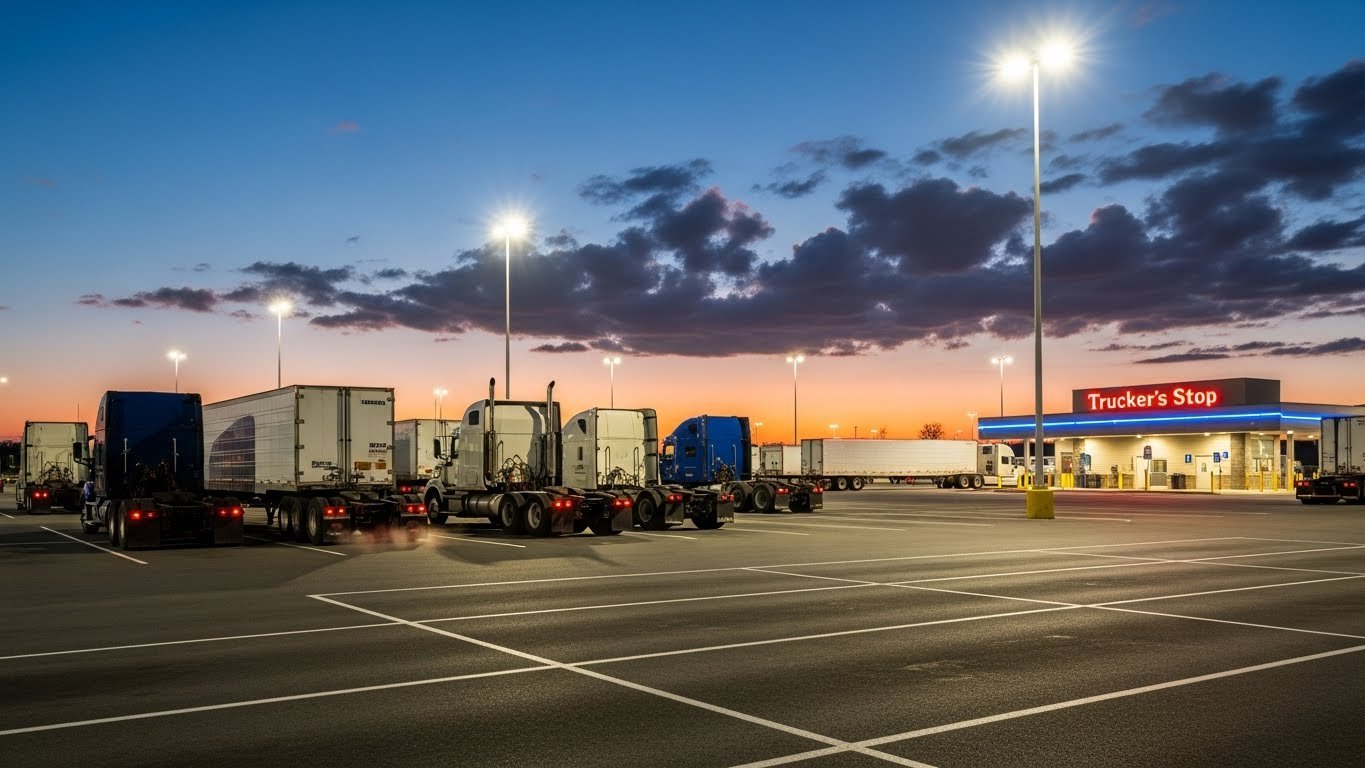
In the fast-paced world of logistics and transportation, one factor often overlooked but fundamentally crucial is truck parking. Truck parking is not merely about providing space for vehicles to rest; it is a vital element that affects safety, efficiency, driver well-being, and the overall effectiveness of the supply chain. As the transportation industry continues to grow in scale and complexity, understanding the significance of truck parking and implementing effective strategies to manage it is more important than ever.
The Multifaceted Purpose of Truck Parking
Truck parking serves multiple purposes beyond simply offering a place to stop. For long-haul drivers, it provides a safe environment to rest and comply with federal regulations regarding driving hours. Fatigue management is a critical concern in the transportation sector, as driver fatigue has been linked to numerous road accidents. Adequate truck parking ensures that drivers have access to proper rest facilities, reducing the likelihood of fatigue-related incidents. Moreover, truck parking areas often serve as hubs where drivers can access food, fuel, maintenance services, and other necessities, further supporting their operational needs.
Evolution of Truck Parking Facilities
The design and management of truck parking facilities have evolved significantly over the years. Modern truck parking areas are no longer just open spaces along highways; they are carefully planned zones that integrate technology, security, and amenities. Digital management systems now allow drivers to locate available parking spots in real-time, reducing time spent searching for space and minimizing unnecessary fuel consumption. Security measures such as surveillance cameras, lighting, and controlled access points enhance safety, protecting both the vehicles and their cargo. The availability of amenities such as restrooms, showers, and food courts contributes to driver comfort, which, in turn, improves performance and morale.
Addressing the Demand-Supply Imbalance
One of the key challenges in the truck parking sector is the mismatch between demand and supply. With the exponential growth of e-commerce and freight transport, the number of trucks on the road has increased dramatically. However, the expansion of parking facilities has not always kept pace, leading to congestion, illegal parking, and unsafe conditions for drivers. This imbalance can have cascading effects on the logistics chain. Delays in parking availability can cause late deliveries, increased operational costs, and higher stress levels among drivers. Addressing this issue requires coordinated planning between government authorities, transportation companies, and private stakeholders to ensure that sufficient, strategically located truck parking facilities are available.
The Role of Technology in Truck Parking
Technology plays a transformative role in optimizing truck parking. Advanced applications and platforms now allow fleet managers to monitor parking occupancy, predict demand, and allocate resources more efficiently. Real-time tracking of available parking spots helps drivers make informed decisions, reducing idle time and improving route planning. Additionally, integration with navigation systems allows drivers to identify the closest parking options while considering factors such as security, amenities, and capacity. The use of data analytics also enables authorities and companies to understand patterns in parking usage, predict peak times, and plan future expansions accordingly.
Safety Considerations
Safety remains a core reason why truck parking is indispensable. Trucks are large vehicles that require ample space to maneuver, and improper or inadequate parking can pose serious risks. Drivers forced to park in unauthorized areas, such as highway shoulders or congested streets, face increased chances of accidents, theft, and damage to cargo. Properly designed truck parking facilities mitigate these risks by providing clearly marked lanes, adequate spacing between vehicles, and secure environments. Furthermore, safety extends beyond the vehicles themselves. Well-lit and monitored parking areas contribute to personal safety for drivers, reducing the likelihood of theft, assault, or other criminal activities.
Operational and Logistical Efficiency
From a logistical perspective, truck parking also influences operational efficiency. Efficient parking reduces the time trucks spend off-route, allowing goods to be delivered promptly and reducing fuel consumption. This is particularly significant in industries where timely delivery is critical, such as perishable goods or high-value shipments. By strategically planning truck parking locations along major routes, companies can optimize schedules, minimize delays, and maintain higher levels of service quality. In addition, designated parking zones for different types of trucks, such as refrigerated units or oversized vehicles, streamline operations and prevent congestion within the parking facility.
Economic and Environmental Impacts
The economic implications of truck parking are substantial. The lack of sufficient parking can lead to indirect costs such as increased fuel expenses, maintenance issues due to idling engines, and potential fines for illegal parking. On the other hand, investment in well-planned truck parking infrastructure generates economic benefits by supporting efficient transportation networks, reducing accident-related costs, and creating employment opportunities within parking facilities.
Environmental considerations are also gaining attention. Idling trucks searching for available parking spaces contribute to air pollution and greenhouse gas emissions. By providing strategically located, high-capacity parking facilities and real-time information systems, emissions can be minimized, supporting broader environmental sustainability goals. Some modern truck parking areas incorporate eco-friendly features such as solar panels, electric vehicle charging stations, and stormwater management systems, making them more sustainable while addressing the needs of an evolving transportation industry.
The Importance of Policy and Regulation
Government policies and regulations play a crucial role in shaping the landscape of truck parking. Regulatory frameworks often mandate minimum rest requirements for drivers, which indirectly create demand for safe and accessible parking. Incentives and funding for the construction and maintenance of truck parking facilities encourage investment in infrastructure, while standards for safety, lighting, and amenities ensure a consistent level of service. Collaboration between public authorities and private operators is essential to balance economic efficiency with safety, environmental, and social considerations.
Education and Awareness for Better Truck Parking Practices
Education and awareness are also critical components in improving truck parking practices. Drivers, fleet managers, and logistics planners must be informed about the importance of planning for rest stops, utilizing designated parking areas, and adhering to regulations. Industry associations and training programs can provide guidance on best practices, including route planning, rest scheduling, and the selection of secure parking locations. This proactive approach helps reduce risks, improve driver health, and enhance overall efficiency in the transportation sector.
Conclusion
In conclusion, truck parking is far more than a mere convenience; it is a pivotal element of modern transportation management. Properly designed and managed parking facilities support driver safety, operational efficiency, environmental sustainability, and economic stability. As the transportation sector continues to expand and evolve, addressing the challenges related to truck parking is critical to maintaining an effective and resilient logistics network. Investment in infrastructure, technology integration, and education around truck parking not only enhances driver well-being but also strengthens the broader supply chain, ensuring that goods move safely and efficiently from origin to destination. Understanding and prioritizing the role of truck parking is essential for all stakeholders in the transportation ecosystem, highlighting its central place in the ongoing evolution of logistics and mobility.