
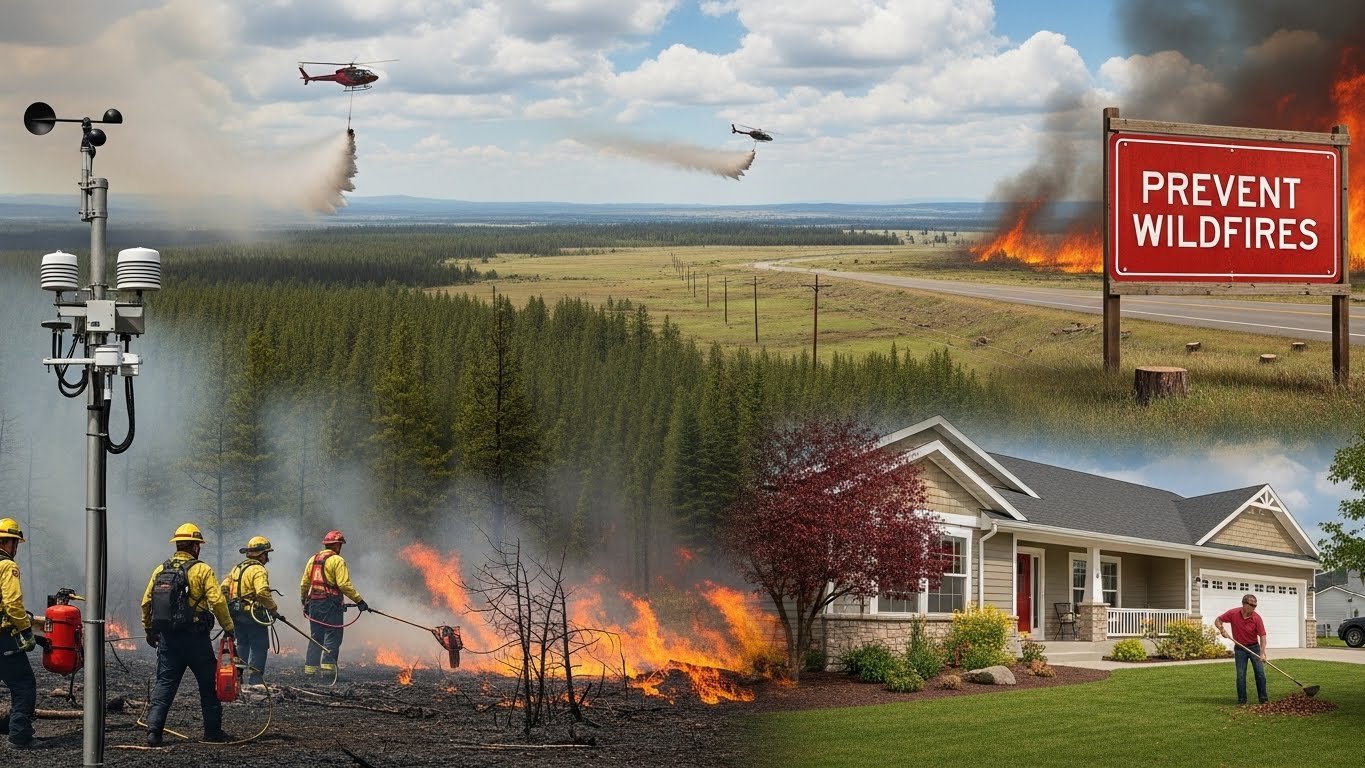
Wildfires are among the most destructive natural disasters, posing severe threats to lives, property, and ecosystems. Increasingly frequent and intense fire events highlight the need for comprehensive wildfire mitigation strategies. Effective mitigation not only protects individual properties but also enhances the safety and resilience of entire communities. By combining proactive planning, hazard reduction, and emergency preparedness, property owners and local authorities can significantly reduce the impact of wildfires and prevent losses before they occur.
Understanding wildfire behavior, environmental conditions, and local risk factors is critical. Factors such as dry vegetation, high temperatures, strong winds, and human activity contribute to the likelihood and intensity of fire outbreaks. Implementing expert wildfire mitigation measures allows communities to address these risks systematically, ensuring that both natural and built environments are safeguarded.
Risk Assessment and Planning
A successful wildfire mitigation strategy begins with a thorough risk assessment. Property owners should evaluate the susceptibility of their land and structures to fire hazards. This involves analyzing vegetation types, topography, proximity to wildfire-prone areas, and historical fire activity.
Planning also requires identifying evacuation routes, establishing defensible space around homes, and preparing emergency kits. Communities can coordinate through local fire departments, planning authorities, and neighborhood associations to ensure that mitigation measures are consistent and comprehensive. Mapping fire-prone zones, implementing early-warning systems, and developing contingency plans are essential components of an effective mitigation strategy.
Creating Defensible Space
Defensible space is a key principle in wildfire mitigation, providing a buffer zone between structures and surrounding vegetation. This involves clearing flammable materials, trimming trees and shrubs, maintaining lawns, and removing dead or dry plant matter within a specified radius around buildings.
Properly maintained defensible space slows the spread of fire, gives firefighters better access, and reduces the risk of structural ignition. In addition to vegetation management, using fire-resistant landscaping materials and hardscaping elements such as stone paths or gravel beds enhances safety. Continuous monitoring and maintenance of defensible space are crucial, as vegetation regrowth or accumulation of debris can increase fire risk over time.
Structural Hardening and Fire-Resistant Design
Incorporating fire-resistant materials and building practices is another critical aspect of wildfire mitigation. Roofing, siding, windows, and vents should be constructed from fire-resistant materials that minimize ignition potential. Installing ember-resistant vents, double-paned windows, and non-combustible exterior finishes further protects structures.
Regular maintenance of roofs and gutters is equally important, as accumulated leaves or debris can serve as fuel during a wildfire. Integrating these measures into new construction or retrofitting existing structures enhances the overall resilience of properties against wildfire threats.
Fuel Management and Vegetation Control
Managing fuel loads is essential for effective wildfire mitigation. This includes clearing brush, dead trees, and other combustible materials from forests, grasslands, and urban-wildland interfaces. Strategic thinning, controlled burns, and mowing can reduce the intensity and spread of wildfires.
Collaboration with local authorities and forestry departments ensures that fuel management practices follow safety guidelines and regulatory standards. Proper disposal of cleared vegetation, along with consistent monitoring, prevents the accumulation of materials that could serve as fire accelerants.
Community Coordination and Education
Wildfire prevention requires a collective approach. Communities must work together to implement wildfire mitigation measures effectively. Public education campaigns, neighborhood fire watch programs, and community drills help raise awareness of fire risks and preparedness strategies.
Collaboration with local fire departments, emergency management agencies, and environmental organizations ensures that communities have access to expertise, resources, and early-warning systems. Establishing communication networks and community response plans enhances the ability to act quickly during fire emergencies, reducing potential damage and protecting lives.
Emergency Preparedness and Response
Even with preventative measures, wildfires may still occur. Effective wildfire mitigation includes robust emergency preparedness and response strategies. Residents should have evacuation plans, accessible emergency supplies, and clear communication protocols.
Local authorities can enhance preparedness by maintaining firebreaks, ensuring the availability of firefighting resources, and coordinating rapid response teams. Real-time monitoring of fire activity through satellite imagery, drones, and weather data allows for timely alerts and informed decision-making during wildfire events.
Technology in Wildfire Mitigation
Advances in technology play a critical role in modern wildfire mitigation efforts. Remote sensing, geographic information systems (GIS), drones, and satellite monitoring provide detailed insights into vegetation density, fire behavior, and risk zones.
Predictive modeling helps forecast potential fire spread, allowing authorities to allocate resources efficiently. Early detection systems, including infrared sensors and automated fire detection cameras, provide rapid alerts to emerging threats. Integrating these technological tools with traditional mitigation strategies enhances overall effectiveness and reduces both property damage and ecological loss.
Conclusion:
Effective wildfire mitigation is a combination of planning, structural protection, fuel management, community coordination, and the use of advanced technology. By implementing comprehensive strategies, property owners and communities can reduce the risk of wildfire damage, protect lives, and preserve natural ecosystems.
Proactive mitigation not only safeguards individual homes but also strengthens the resilience of entire neighborhoods and regions. Investing time, resources, and education in wildfire mitigation ensures long-term safety, reduces economic losses, and promotes environmental stewardship. Communities that prioritize these measures are better prepared to face wildfire threats while protecting their property, residents, and natural surroundings.