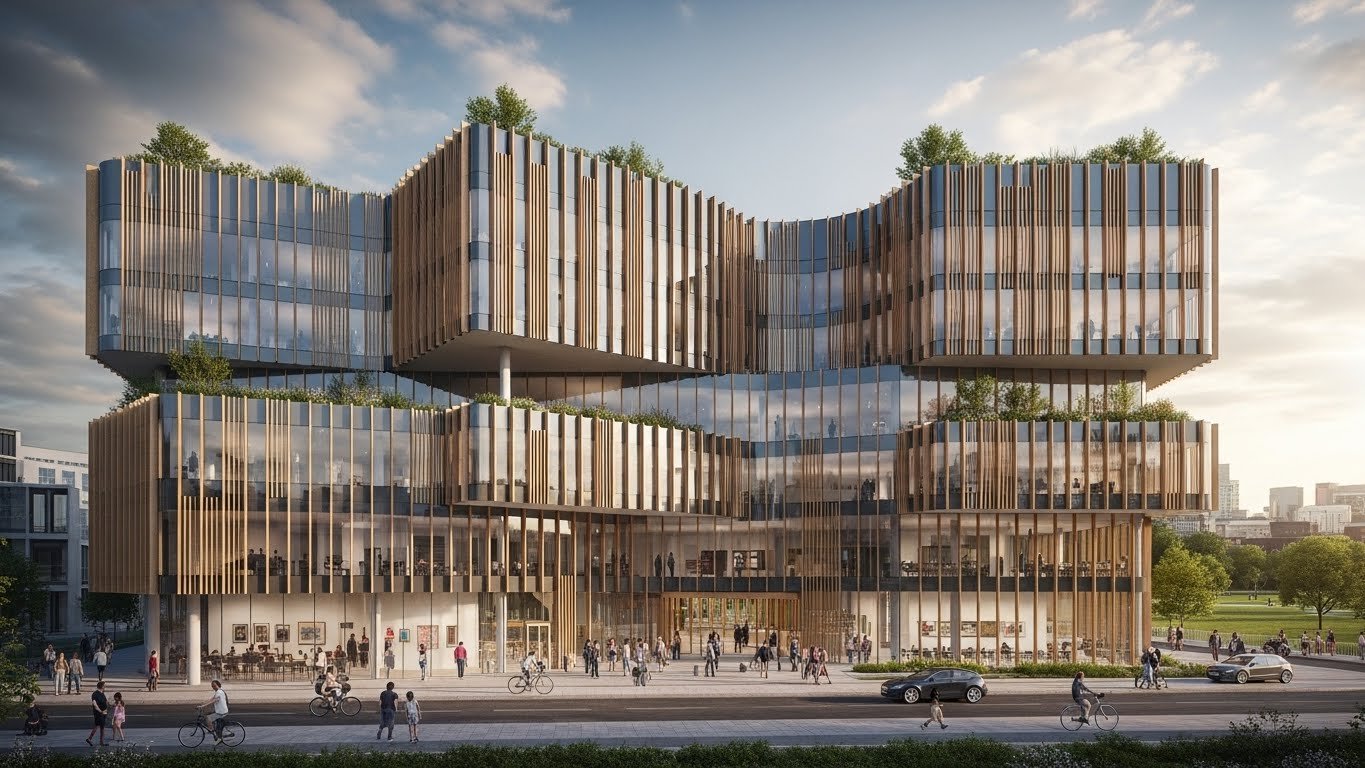
Energy-efficient design has become a critical component of modern construction and home renovation projects. As energy costs rise and environmental concerns grow, designing buildings that minimize energy consumption is both an economic and ecological priority. Energy efficient building strategies reduce utility bills, decrease carbon footprints, and provide more comfortable and healthier living or working environments. Implementing energy-efficient design requires careful planning, the use of advanced materials, and smart technologies that optimize resource use without compromising functionality or comfort. Understanding the key principles of energy-efficient design helps homeowners, builders, and developers make informed decisions that save money and protect the environment.
The Importance of Energy Efficiency
Buildings are among the largest consumers of energy worldwide, accounting for a significant portion of electricity and heating fuel use. Traditional buildings often rely on inefficient heating, cooling, lighting, and appliance systems, leading to higher utility costs and increased greenhouse gas emissions. Energy efficient building design addresses these inefficiencies by creating structures that require less energy to operate while maintaining optimal comfort. This approach is not only environmentally responsible but also financially advantageous. Over time, reduced energy consumption translates directly into lower utility bills, making energy-efficient investments cost-effective in the long term.
Building Orientation and Passive Design
One of the foundational aspects of energy efficient building design is proper building orientation and passive design strategies. Positioning a building to take advantage of natural sunlight and wind patterns can significantly reduce the need for artificial heating, cooling, and lighting. South-facing windows, for example, maximize solar gain in colder months, while shading devices and proper insulation prevent overheating in the summer. Cross-ventilation techniques and strategic window placement enhance natural airflow, reducing reliance on air conditioning. Passive design not only lowers energy consumption but also creates more comfortable indoor environments by maintaining stable temperatures and improving indoor air quality.
High-Performance Building Envelope
The building envelope—which includes walls, roofs, windows, and doors—plays a crucial role in energy efficient building design. A well-insulated envelope prevents heat loss during winter and keeps interiors cool during summer, reducing the energy required for heating and cooling systems. High-performance windows with double or triple glazing, low-emissivity coatings, and airtight seals minimize thermal transfer. Using advanced insulation materials in walls, roofs, and floors further enhances energy conservation. In addition, air sealing gaps and cracks prevents drafts and improves indoor comfort while reducing energy waste. Investments in a high-performance building envelope yield significant long-term utility savings.
Efficient Heating, Ventilation, and Cooling Systems
HVAC systems are typically the largest energy consumers in a building, making efficiency in this area critical. Energy-efficient heating and cooling systems, including heat pumps, high-efficiency furnaces, and programmable thermostats, reduce energy consumption while maintaining comfort. Zoning systems allow different areas of a building to be heated or cooled independently, preventing energy waste in unused spaces. Regular maintenance and upgrades to HVAC equipment also improve efficiency, extending the lifespan of the system while keeping energy use low. Combining efficient HVAC systems with passive design and insulation creates a synergistic effect that maximizes energy savings in energy efficient buildings.
Renewable Energy Integration
Incorporating renewable energy sources is a hallmark of energy efficient building design. Solar panels, wind turbines, and geothermal systems provide clean energy that reduces dependence on fossil fuels and lowers utility bills. On-site energy generation can offset electricity consumption from the grid, and excess energy can often be sold back to the utility provider in many regions. Renewable energy systems not only reduce operating costs but also contribute to a building’s sustainability profile, supporting environmental stewardship and resilience against fluctuating energy prices.
Energy-Efficient Lighting and Appliances
Lighting and appliances account for a substantial portion of a building’s energy use. Energy-efficient LED lighting, occupancy sensors, and automated controls minimize electricity consumption while providing adequate illumination. Similarly, ENERGY STAR-rated appliances consume less energy and water than standard models without sacrificing performance. Integrating smart home technologies, such as programmable lighting and appliance scheduling, further optimizes energy use. Small improvements in lighting and appliances can have a cumulative effect, significantly lowering utility costs and environmental impact in energy efficient buildings.
Water Efficiency and Resource Management
Although often overlooked, water efficiency is closely tied to energy efficiency. Heating water requires significant energy, so reducing hot water use directly decreases energy consumption. Installing low-flow faucets, showerheads, and toilets, as well as high-efficiency water heaters, contributes to overall energy savings. Smart irrigation systems and rainwater harvesting further reduce water use for landscaping, decreasing both water and energy consumption. Managing resources efficiently is a comprehensive approach that aligns energy, water, and sustainability goals for energy efficient buildings.
Consulting for Energy-Efficient Buildings
Professional consulting can play a pivotal role in implementing energy-efficient strategies effectively. Consulting services provide expert guidance on building design, material selection, renewable energy integration, and system optimization. By working with experienced consultants, homeowners and developers can identify the most cost-effective measures, comply with energy codes, and take advantage of incentives or certifications such as LEED and ENERGY STAR. Consulting ensures that retrofitting or new construction projects achieve maximum efficiency, reduce environmental impact, and provide long-term operational savings.
Financial and Environmental Benefits
Energy efficient building design offers dual benefits: financial savings and environmental responsibility. Reduced energy consumption lowers monthly utility bills, providing immediate financial relief for homeowners and businesses alike. Over time, energy savings can offset the initial investment in high-performance materials, systems, and technologies. Environmentally, energy-efficient buildings produce fewer greenhouse gas emissions, reduce dependence on non-renewable energy, and contribute to climate change mitigation efforts. In addition, buildings designed for energy efficiency often qualify for government incentives, rebates, and green building certifications, further enhancing their economic and ecological value.
Conclusion
Energy efficient building design is a critical strategy for reducing both utility costs and environmental impact in residential and commercial properties. By focusing on passive design, high-performance building envelopes, efficient HVAC systems, renewable energy integration, smart appliances, and water efficiency, building owners can achieve significant savings while supporting sustainability goals. Energy-efficient buildings provide comfortable, healthy, and functional spaces while minimizing the ecological footprint of human activity. Embracing energy efficient building principles and leveraging professional consulting services ensures both environmental responsibility and long-term financial benefits for occupants, property owners, and the planet.