Water is an essential resource for life, and ensuring its safety and quality is critical for health, industry, and the environment. The process of water treatment involves removing contaminants and impurities from water, making it safe for drinking, irrigation, industrial use, and other applications. Clean water is vital for maintaining public health, supporting ecosystems, and sustaining economic activities. In this comprehensive guide, we will explore the importance of water treatment, the methods involved, challenges faced, and benefits of implementing effective treatment processes.
Understanding Water Treatment
Water treatment refers to the processes used to improve the quality of water by removing impurities, pollutants, and harmful microorganisms. The goal is to make water suitable for a specific purpose, whether for drinking, industrial processes, or environmental discharge. Water can contain physical, chemical, and biological contaminants such as sediments, heavy metals, bacteria, viruses, and organic matter. These contaminants can pose serious health risks, damage infrastructure, and negatively impact ecosystems if not properly managed.
The water treatment process is designed to address these issues systematically. It typically involves several stages, each targeting specific types of impurities. Effective water treatment not only ensures safety and quality but also enhances taste, odor, and clarity. With increasing urbanization, industrial activities, and environmental pollution, the need for reliable water treatment solutions has never been more crucial.
Importance of Water Treatment
Water treatment plays a vital role in ensuring human health and environmental sustainability. Contaminated water is a major source of waterborne diseases, including cholera, dysentery, and gastrointestinal infections. By removing pathogens and harmful chemicals, water treatment protects public health and reduces the incidence of illness.
In addition to health benefits, water treatment supports industrial operations and agricultural practices. Many industries rely on high-quality water for manufacturing processes, cooling systems, and cleaning purposes. Contaminated water can damage machinery, reduce product quality, and increase maintenance costs. In agriculture, treated water ensures proper irrigation, promoting healthy crops and livestock.
Environmental protection is another critical aspect of water treatment. Untreated wastewater can pollute rivers, lakes, and groundwater, harming aquatic life and disrupting ecosystems. Proper treatment removes harmful chemicals and organic matter before water is discharged, helping maintain ecological balance.
Common Water Treatment Methods
The water treatment process typically involves multiple stages to address different types of impurities. The methods used may vary depending on the water source, intended use, and quality standards required. Some of the most common water treatment methods include:
Physical Treatment
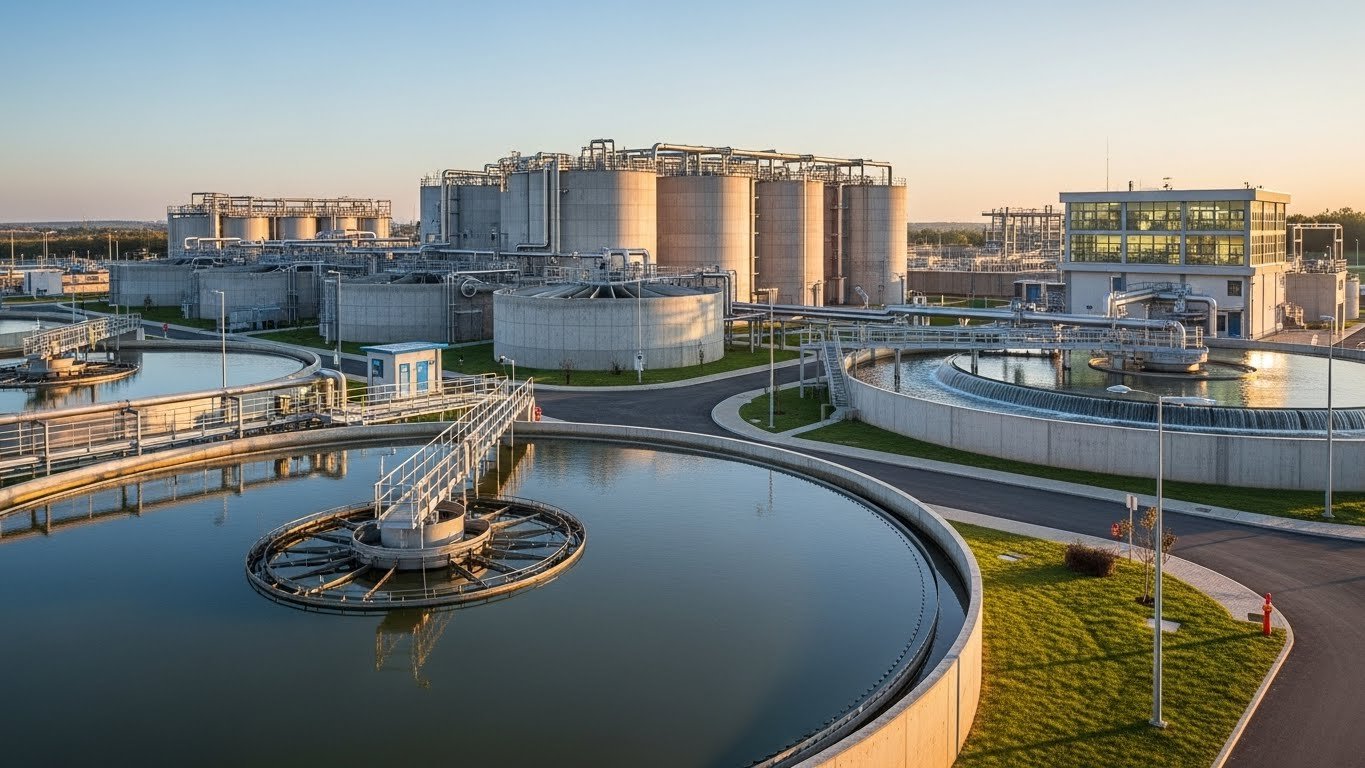
Physical treatment focuses on the removal of visible particles, sediments, and suspended solids from water. Filtration, sedimentation, and screening are common techniques used in this stage. Filtration passes water through a medium such as sand, gravel, or membrane filters to capture impurities. Sedimentation allows heavier particles to settle at the bottom, making them easier to remove. These physical processes are often the first step in a comprehensive water treatment system.
Chemical Treatment
Chemical treatment involves adding substances to water to remove contaminants or neutralize harmful elements. Coagulation and flocculation are widely used chemical processes where chemicals bind with suspended particles, forming larger clumps that can be easily removed through sedimentation or filtration. Disinfection using chlorine, ozone, or ultraviolet (UV) light kills bacteria, viruses, and other microorganisms, ensuring water is safe for consumption. Chemical treatment may also include pH adjustment, removal of heavy metals, and reduction of harmful chemical residues.
Biological Treatment
Biological treatment is particularly relevant in wastewater management. It uses microorganisms to break down organic matter and pollutants naturally. Processes such as activated sludge, biofiltration, and constructed wetlands are examples of biological treatment methods. These processes not only remove harmful substances but also reduce the environmental impact of wastewater by converting organic waste into harmless byproducts.
Advanced Treatment Technologies
With increasing water pollution and stricter quality standards, advanced water treatment technologies are becoming more prevalent. Membrane filtration, reverse osmosis, nanofiltration, and advanced oxidation processes provide high levels of purification, removing dissolved salts, chemicals, and microscopic pathogens. These technologies are widely used in industries, desalination plants, and regions where water quality is poor or scarce.
Steps Involved in a Typical Water Treatment Process
A complete water treatment process generally involves several interconnected steps to ensure maximum efficiency and safety. First, raw water undergoes screening to remove large debris, leaves, and floating materials. Next, coagulation and flocculation are applied to bind smaller particles together, followed by sedimentation to allow these clumps to settle.
Filtration is the next step, where water passes through sand, gravel, or membrane filters to remove remaining particles. Disinfection ensures that harmful bacteria, viruses, and other pathogens are eliminated, making water safe for use. In some cases, additional chemical adjustments are made to correct pH levels or remove specific contaminants such as fluoride, nitrate, or heavy metals. Finally, treated water is stored in clean reservoirs or tanks before distribution.
Each stage of the water treatment process plays a crucial role in ensuring that the final output meets safety and quality standards. Continuous monitoring and testing are essential to detect changes in water quality and adjust the treatment process accordingly.
Challenges in Water Treatment
Despite technological advancements, water treatment faces several challenges. Pollution from industrial effluents, agricultural runoff, and improper waste disposal introduces complex contaminants that are difficult to remove. Emerging contaminants, including pharmaceuticals, microplastics, and chemical residues, require advanced treatment methods, which can be expensive and energy-intensive.
Aging infrastructure and inadequate maintenance of treatment facilities also pose significant challenges. Leaks, pipe corrosion, and equipment failure can compromise water quality, making regular monitoring and maintenance critical. Additionally, balancing treatment costs with accessibility is a key concern for many municipalities and industries, as providing clean water at an affordable price is essential for public health.
Climate change and water scarcity further complicate water treatment efforts. Reduced water availability and increased contamination from floods, droughts, or extreme weather events demand adaptive and resilient treatment solutions. Integrating sustainable practices, conserving resources, and investing in new technologies are essential to overcome these challenges.
Benefits of Effective Water Treatment
Implementing effective water treatment provides numerous benefits for individuals, communities, industries, and the environment. Safe drinking water reduces the risk of waterborne diseases and promotes overall health. In industrial and commercial settings, treated water improves operational efficiency, extends the life of equipment, and enhances product quality.
Environmentally, water treatment prevents pollution, protects aquatic life, and supports sustainable ecosystems. Properly treated water ensures that rivers, lakes, and groundwater remain clean and safe for human use and biodiversity. Economically, investing in water treatment infrastructure reduces healthcare costs, increases productivity, and promotes long-term sustainability.
Additionally, effective water treatment contributes to public confidence in water supply systems. People are more likely to trust tap water when they know it has undergone rigorous treatment processes and meets safety standards. This trust is essential for building resilient communities and encouraging responsible water use.
Future Trends in Water Treatment
Water treatment technologies continue to evolve, driven by population growth, industrialization, and environmental challenges. Innovations in membrane technology, nanotechnology, and real-time monitoring are improving efficiency and reducing costs. Smart water management systems allow for continuous monitoring of water quality, enabling rapid responses to contamination and system failures.
Sustainable and environmentally friendly practices are also gaining importance. The use of renewable energy, recycling wastewater, and minimizing chemical usage are becoming standard practices in modern water treatment. These approaches not only improve water quality but also reduce the ecological footprint of treatment facilities.
Conclusion
Water is a vital resource, and ensuring its quality and safety is paramount. Water treatment is a comprehensive process that removes contaminants, pathogens, and impurities, making water suitable for drinking, industrial use, and environmental sustainability. By employing physical, chemical, biological, and advanced treatment technologies, we can ensure that water remains safe and clean for all applications.
The importance of water treatment extends beyond health to include environmental protection, industrial efficiency, and public trust. While challenges such as pollution, aging infrastructure, and emerging contaminants exist, innovative technologies and sustainable practices provide solutions for maintaining water quality. Implementing effective water treatment processes ensures the availability of safe water, protects ecosystems, and promotes a healthier, more resilient society.
By understanding the methods, benefits, and challenges of water treatment, individuals and organizations can make informed decisions to protect this precious resource and ensure that future generations have access to clean and safe water.