
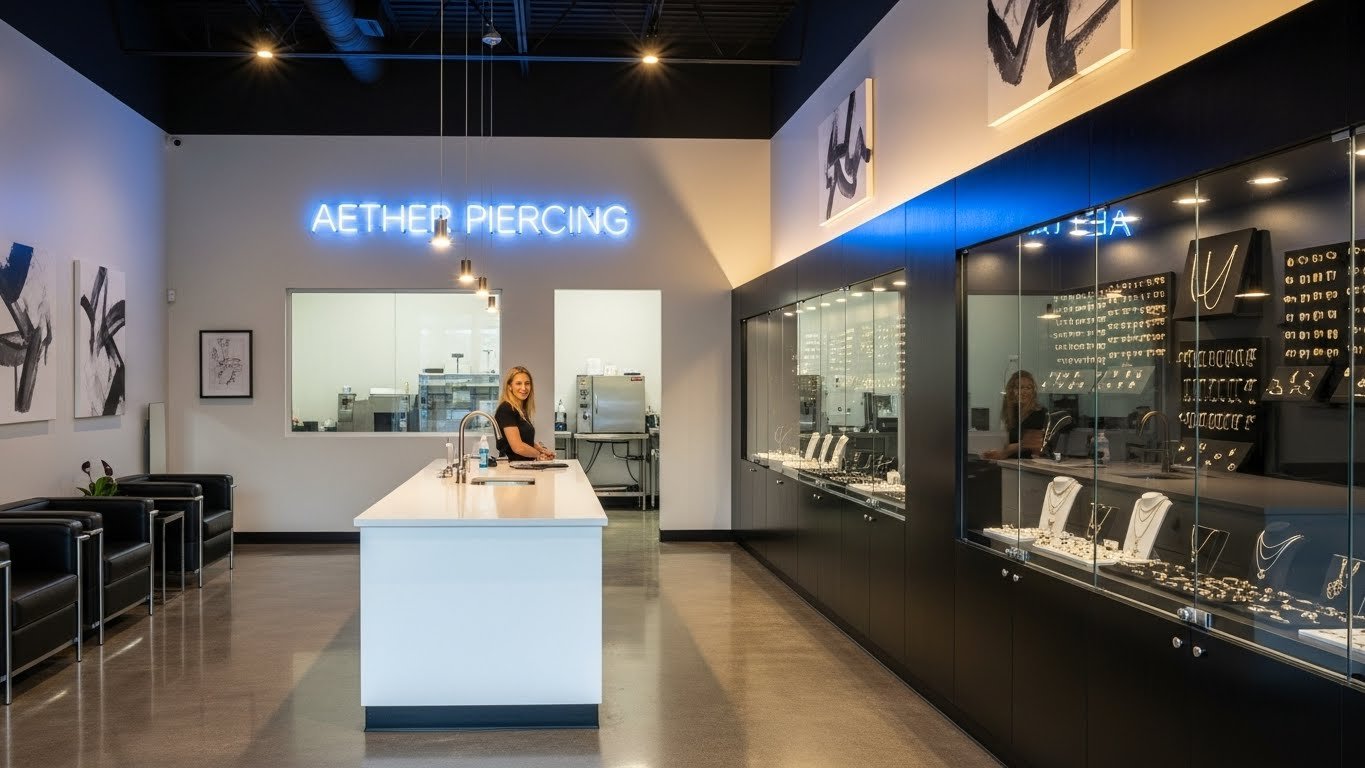
Body piercing has existed across cultures for centuries, serving purposes that range from cultural identity and spiritual symbolism to personal expression and aesthetic preference. In the modern world, piercing has evolved into a specialized practice that blends artistic skill, technical knowledge, and strict safety standards. A professional piercing shop is not simply a place where jewelry is inserted; it is an environment built on hygiene, education, and ethical responsibility. Understanding how these shops operate and what defines professionalism helps individuals make informed decisions while appreciating the craft behind body piercing.
The Purpose and Role of a Piercing Shop
A piercing shop provides specialized services focused solely on body piercing procedures. These establishments are designed to meet high standards of cleanliness, precision, and client care. Unlike informal or unregulated environments, professional shops prioritize health and safety while offering a calm and respectful setting for clients.
The role of a piercing shop extends beyond the procedure itself. Professionals guide clients through the decision-making process, explain placement options, discuss healing expectations, and provide aftercare education. This holistic approach ensures that piercing is treated as a responsible practice rather than a casual or impulsive action.
Cultural and Personal Significance of Piercing
Piercing carries different meanings depending on cultural, social, and personal contexts. For some individuals, piercings represent identity, tradition, or rites of passage. For others, they serve as a form of self-expression or aesthetic enhancement. Professional piercers respect these motivations and approach each client with sensitivity and professionalism.
Understanding the meaning behind a piercing helps professionals recommend appropriate placements, jewelry styles, and care routines. This respect for individuality reinforces the importance of professional environments where personal expression is handled thoughtfully.
Professional Training and Expertise
Working in a professional piercing shop requires extensive training and knowledge. Piercers must understand human anatomy, skin behavior, and healing processes to perform procedures safely and accurately. Training often includes apprenticeships under experienced professionals, ensuring that skills are developed gradually and responsibly.
Expertise also involves understanding jewelry materials, sizing, and placement techniques. Improper placement or unsuitable materials can lead to complications, which is why professional knowledge is critical. Continuous education allows piercers to stay updated on best practices and evolving standards within the industry.
Hygiene and Safety Practices
Hygiene is one of the most critical aspects of any piercing environment. Professional shops follow strict sanitation protocols to protect clients and staff. These protocols include sterilization of tools, use of single-use needles, disposable gloves, and proper waste disposal methods.
Workstations are cleaned thoroughly between clients, and all procedures are performed in controlled environments. Skin preparation, jewelry sterilization, and aftercare guidance are handled with precision. These practices reduce the risk of infection and ensure that piercing is performed responsibly and safely.
The Consultation Process and Client Education
A consultation is a foundational step in the piercing process. During this stage, clients discuss their ideas, concerns, and expectations with the piercer. The professional evaluates anatomy, explains placement options, and addresses potential risks or limitations.
Consultations also provide an opportunity for education. Piercers explain the procedure, expected sensations, healing timelines, and aftercare requirements in detail. This transparency helps clients make informed decisions and builds trust between the client and the professional.
Types of Piercings and Placement Considerations
Modern piercing includes a wide variety of options, each requiring careful consideration. Different placements have unique healing times, care needs, and lifestyle implications. Professional piercers assess anatomy to ensure that placements are suitable and sustainable.
Proper placement is essential not only for appearance but also for comfort and healing. Professionals consider factors such as skin thickness, blood flow, and movement. This expertise ensures that piercings heal properly and maintain their intended look over time.
Jewelry Selection and Material Quality
Jewelry quality plays a significant role in the success of a piercing. Professional shops use materials designed to minimize irritation and support healing. Jewelry selection is based on placement, size, and individual needs.
High-quality materials reduce the risk of allergic reactions and complications. Professionals guide clients through jewelry options and explain how proper sizing and material choice affect healing and comfort. This guidance is an essential part of responsible piercing practices.
Aftercare and Healing Support
Aftercare is as important as the piercing procedure itself. Proper aftercare promotes healing, prevents infection, and preserves the appearance of the piercing. Professional piercers provide detailed aftercare instructions tailored to each placement.
Healing times vary depending on the location and individual factors. Clients are encouraged to follow aftercare routines consistently and to seek professional advice if concerns arise. Ongoing support from a professional shop ensures that clients feel confident throughout the healing process.
Ethical Responsibility and Informed Consent
Ethical responsibility is a defining characteristic of a reputable piercing shop. This includes obtaining informed consent, respecting client boundaries, and adhering to legal and professional standards. Professionals ensure that clients understand the permanence, risks, and responsibilities associated with piercing.
Responsible shops prioritize education over pressure and encourage clients to take time when making decisions. This ethical approach protects clients and reinforces trust in the industry as a whole.
Choosing the Right Piercing Shop
Selecting the right shop is a critical step in ensuring a positive experience. Cleanliness, professionalism, clear communication, and visible adherence to safety standards are key indicators of quality. A reputable Piercing Shop demonstrates transparency in its procedures and prioritizes client well-being.
Visiting the shop, observing hygiene practices, and asking questions help clients assess whether the environment meets professional standards. Trust and comfort are essential components of a successful piercing experience.
Managing Expectations and Physical Sensations
Piercing involves some level of discomfort, which varies based on placement and individual tolerance. Professional piercers prepare clients by explaining what to expect and offering guidance on managing sensations during the procedure.
Understanding that temporary discomfort is normal helps clients approach the experience with confidence. Clear communication and a calm environment contribute to a smoother and more controlled process.
Industry Trends and Innovation
The piercing industry continues to evolve, introducing new techniques, jewelry designs, and safety improvements. Advancements in tools enhance precision and comfort, while innovative jewelry styles allow for greater personalization.
Trends often reflect broader cultural shifts toward minimalism, symbolism, or curated aesthetics. Professional shops stay informed about these trends while maintaining a focus on safety and quality, ensuring that innovation does not compromise standards.
Long-Term Considerations and Maintenance
Piercings can become a lasting part of personal identity, making long-term considerations important. Placement, jewelry choice, and lifestyle factors influence how piercings integrate into daily life over time.
Maintenance may include jewelry changes, downsizing after healing, or professional checkups. A responsible piercing shop provides ongoing support and guidance, helping clients maintain healthy and comfortable piercings.
Building Trust Through Professionalism
Trust is built through consistent professionalism, respectful communication, and high standards of care. When clients feel informed and supported, the experience becomes collaborative rather than intimidating.
Professional shops often build long-term relationships with clients who return for additional services or recommendations. This trust reflects a commitment to ethical practice and quality craftsmanship.
The Artistic and Technical Balance of Piercing
Piercing combines artistic vision with technical precision. While placement and jewelry contribute to aesthetic appeal, technical execution ensures safety and longevity. Professional piercers balance these elements carefully.
This balance distinguishes professional environments from unregulated settings. The combination of artistry, skill, and responsibility defines the modern piercing experience.
Conclusion: Appreciating the Value of a Professional Piercing Shop
A professional piercing shop represents far more than a service provider. It is a space where personal expression is guided by expertise, safety, and ethical responsibility. Through proper training, strict hygiene practices, thorough consultations, and ongoing aftercare support, professional shops ensure that piercing is performed thoughtfully and safely.
Understanding the standards and processes behind professional piercing empowers individuals to make informed decisions. When approached responsibly, piercing becomes a meaningful form of self-expression supported by craftsmanship, professionalism, and respect for individual well-being.