
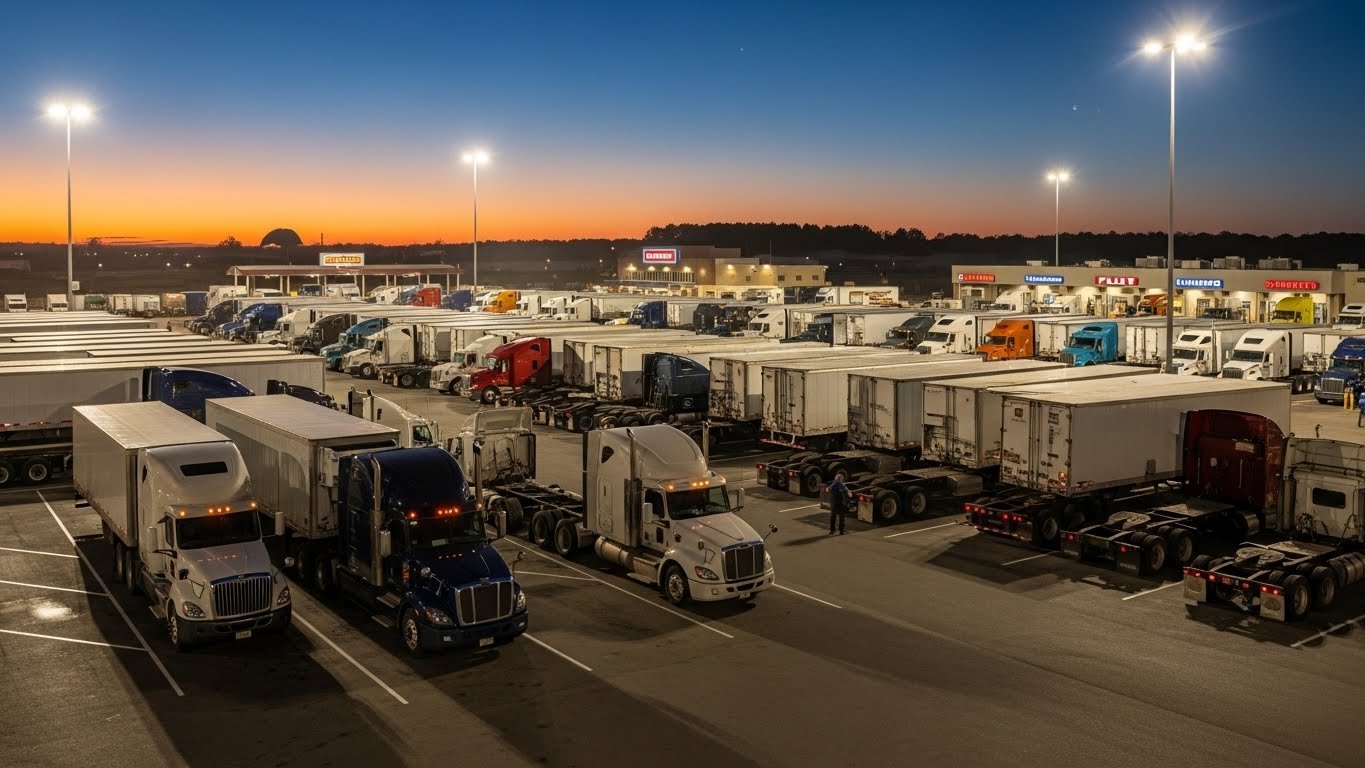
Commercial truck parking is a critical component of the transportation and logistics industry. As freight movement continues to grow, the demand for reliable, safe, and accessible parking solutions for commercial trucks has increased significantly. Truck drivers, fleet operators, and logistics companies all rely on properly designed truck parking facilities to maintain efficiency, comply with regulations, and ensure driver safety. Without adequate commercial truck parking, drivers face increased stress, operational delays, and safety risks that impact the entire supply chain.
Modern commercial truck parking facilities are designed to support long-haul trucking, regional transport, and local delivery operations. These facilities go beyond simple parking spaces by offering security, amenities, and operational flexibility. Understanding the importance, planning considerations, and long-term value of commercial truck parking helps stakeholders make informed decisions and support sustainable transportation infrastructure.
The Importance of Commercial Truck Parking
Commercial truck parking plays a vital role in maintaining the smooth flow of goods across industries. Truck drivers are required to follow strict hours-of-service regulations, which mandate rest periods to prevent fatigue-related accidents. Access to safe and legal parking allows drivers to comply with these regulations without compromising schedules or safety.
Inadequate parking options force drivers to park in unsafe or unauthorized locations, increasing the risk of accidents, cargo theft, and fines. Well-planned commercial truck parking facilities provide designated areas where drivers can rest, refuel, and prepare for the next leg of their journey. These facilities support regulatory compliance while improving overall road safety.
Challenges in Commercial Truck Parking Availability
One of the biggest challenges in commercial truck parking is availability. Freight volumes have grown faster than parking infrastructure, leading to shortages in many regions. High-demand corridors often lack sufficient spaces, forcing drivers to spend extra time searching for parking, which increases fuel consumption and reduces productivity.
Urban areas present additional challenges due to limited space, zoning restrictions, and high land costs. Rural areas may offer more space but lack amenities or security features. Addressing these challenges requires strategic planning, public-private partnerships, and innovative design solutions that maximize land use while meeting industry needs.
Types of Commercial Truck Parking Facilities
Commercial truck parking facilities vary in size, purpose, and amenities. Understanding the different types helps fleet operators and drivers choose the most suitable option for their needs.
Public Truck Parking Areas
Public truck parking areas are typically located along highways, rest stops, or transportation hubs. These facilities provide basic parking spaces and restrooms, allowing drivers to take mandatory breaks. While public options are often free or low-cost, they may lack security and amenities.
Private Truck Parking Facilities
Private commercial truck parking facilities are owned and operated by businesses or investors. These locations offer enhanced security, reserved spaces, and additional services such as maintenance areas, fueling stations, and driver lounges. Private facilities are often preferred by fleet operators seeking reliability and protection for vehicles and cargo.
Industrial and Yard Parking
Industrial zones and logistics yards frequently include commercial truck parking for fleet operations. These facilities support loading, unloading, staging, and overnight parking. Yard parking is especially useful for distribution centers and regional transport operations.
Security Considerations in Commercial Truck Parking
Security is a top priority in commercial truck parking. Trucks often carry high-value cargo, making them targets for theft and vandalism. Secure parking facilities reduce these risks by implementing controlled access, surveillance systems, and on-site personnel.
Well-lit areas, perimeter fencing, and monitored entry points contribute to a safer environment. Advanced security features such as license plate recognition and remote monitoring further enhance protection. Investing in secure commercial truck parking benefits drivers, fleet owners, and insurers alike.
Amenities and Driver Comfort
Modern commercial truck parking facilities increasingly focus on driver comfort and well-being. Amenities such as restrooms, showers, Wi-Fi access, and food options improve the quality of rest and reduce fatigue. Comfortable facilities contribute to driver satisfaction and retention, which are critical issues in the trucking industry.
Some locations also provide maintenance services, tire checks, and fueling options, allowing drivers to address basic needs without leaving the facility. These conveniences enhance efficiency and reduce downtime.
Planning and Design of Commercial Truck Parking
Effective commercial truck parking design requires careful consideration of vehicle size, traffic flow, and safety. Parking spaces must accommodate various truck configurations, including tractor-trailers and oversized loads. Adequate turning radii, clear signage, and organized layouts prevent congestion and accidents.
Environmental considerations also play a role in design. Stormwater management, noise reduction, and sustainable lighting systems help minimize environmental impact while maintaining functionality. Thoughtful design ensures long-term usability and compliance with regulations.
Technology in Commercial Truck Parking
Technology is transforming commercial truck parking by improving efficiency and accessibility. Digital platforms allow drivers to locate available spaces in real time, reducing time spent searching for parking. Reservation systems enable fleet operators to secure spots in advance, improving schedule reliability.
Smart parking solutions use sensors and data analytics to monitor occupancy and optimize space usage. These technologies support better planning and reduce congestion, benefiting both drivers and facility operators.
Economic Impact of Commercial Truck Parking
Commercial truck parking has a significant economic impact on local communities and the broader logistics industry. Well-developed parking facilities support freight movement, reduce delays, and improve supply chain reliability. Local businesses benefit from increased traffic as drivers use nearby services.
For investors, commercial truck parking represents a growing market with long-term demand. Strategic locations near highways, ports, and industrial zones offer strong revenue potential. Proper management and maintenance ensure consistent returns while supporting industry needs.
Regulatory and Zoning Considerations
Developing commercial truck parking requires compliance with local, state, and federal regulations. Zoning laws may restrict land use, while environmental regulations govern construction and operations. Understanding these requirements is essential for successful development and operation.
Hours-of-service regulations also influence parking demand, making compliance a critical factor in facility planning. Collaboration with regulatory authorities helps ensure that parking solutions align with transportation policies and safety standards.
Sustainability in Commercial Truck Parking
Sustainability is becoming an important focus in commercial truck parking development. Energy-efficient lighting, solar installations, and eco-friendly materials reduce environmental impact. Electric vehicle charging stations are also emerging as fleets transition toward alternative fuel technologies.
Sustainable practices not only benefit the environment but also reduce operating costs and enhance facility appeal. Incorporating sustainability into commercial truck parking supports long-term industry growth.
Benefits for Fleet Operators
Fleet operators benefit significantly from access to reliable commercial truck parking. Secure and predictable parking reduces downtime, improves route planning, and enhances driver satisfaction. Dedicated parking facilities also simplify fleet management by providing centralized locations for staging and maintenance.
Reliable parking options help operators comply with regulations and reduce the risk of fines or operational disruptions. These advantages contribute to improved efficiency and profitability.
The Future of Commercial Truck Parking
The future of commercial truck parking will be shaped by increased freight demand, technological innovation, and evolving regulations. Expanded infrastructure, smarter parking systems, and greater collaboration between public and private sectors will be essential to meet growing needs.
As the industry adapts to new challenges, commercial truck parking will remain a foundational element of transportation infrastructure. Continued investment and innovation will ensure safe, efficient, and sustainable solutions for drivers and operators.
Conclusion
Commercial truck parking is a critical component of modern logistics, supporting driver safety, regulatory compliance, and operational efficiency. Well-designed and well-managed parking facilities reduce risks, improve productivity, and enhance the overall transportation network. From security and amenities to technology and sustainability, commercial truck parking offers long-term value for drivers, fleet operators, investors, and communities.
By understanding the importance and complexity of commercial truck parking, stakeholders can develop and utilize solutions that support the continued growth and reliability of the transportation industry.