
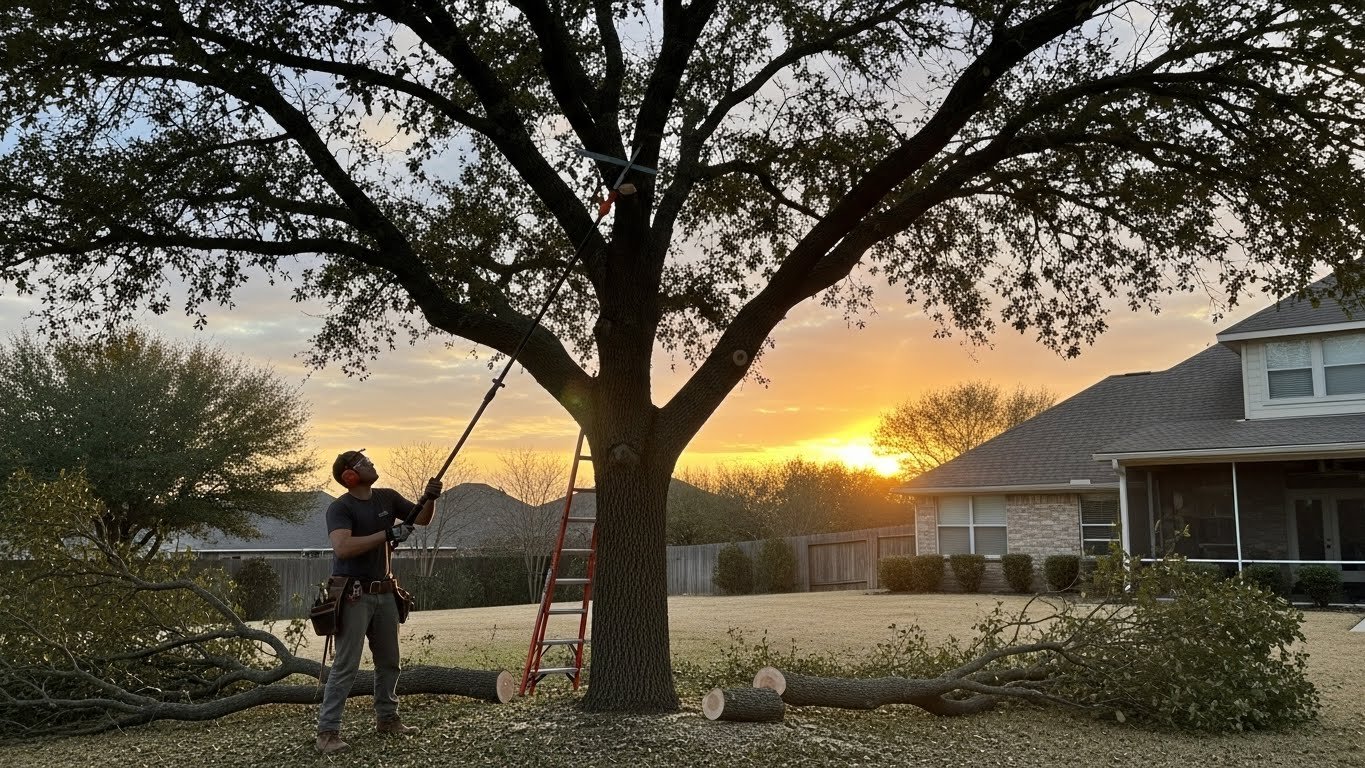
Trees are essential components of any landscape, offering shade, oxygen, and natural beauty that enhance the environment and improve the quality of life. While planting and nurturing trees is the first step in cultivating a thriving outdoor space, maintaining them through proper care is equally important. One of the most critical aspects of tree maintenance is tree pruning, a process that not only ensures the tree’s health but also enhances safety, encourages growth, and elevates the aesthetic appeal of any property. This guide provides a comprehensive look at the purpose, techniques, tools, timing, and benefits of tree pruning, helping homeowners, gardeners, and landscape enthusiasts make informed decisions that promote the longevity and vitality of their trees.
Understanding the Role of Tree Pruning in Maintaining Tree Health and Structural Integrity
Tree pruning is far more than a cosmetic task; it is a necessary practice that preserves the structural integrity, overall health, and longevity of trees. Like all living organisms, trees are susceptible to disease, insect infestations, and environmental stressors, which can compromise their growth or even threaten their survival. Regular pruning removes weak, damaged, or diseased branches before these problems spread, ensuring that the tree can allocate its energy toward new growth and strengthening its structure. Proper pruning also minimizes the risk of structural imbalance, reducing the likelihood of branch failure and the associated dangers to nearby people, vehicles, or property. Furthermore, a well-pruned tree has improved airflow and sunlight penetration within the canopy, which supports photosynthesis, reduces the risk of fungal growth, and encourages a healthy, vibrant tree over time.
Types of Tree Pruning and How Each Serves a Specific Purpose
Understanding the various pruning methods is essential for achieving both aesthetic and practical goals while maintaining tree health. Each type of tree pruning addresses a specific objective, from removing hazards and enhancing structural stability to improving the visual appeal of the tree within the landscape.
Crown Thinning involves selectively removing branches throughout the canopy to reduce density, improve light penetration, and increase air circulation, which minimizes the likelihood of branch breakage under heavy wind or snow loads while maintaining the tree’s natural form.
Crown Raising removes lower branches to provide clearance for pedestrian pathways, vehicles, or structures, ensuring that trees do not obstruct movement or create hazards while preserving the overall canopy shape.
Crown Reduction focuses on reducing the overall size of a tree that has outgrown its space, shortening branches back to lateral growth points without creating large wounds that could compromise health, and helping maintain balance and symmetry.
Deadwood Removal targets dead, dying, or diseased branches, which, if left untreated, can spread decay or pose safety hazards. Removing these branches ensures the tree remains structurally sound and visually appealing.
Formative pruning is typically applied to young trees to guide proper growth patterns and establish strong branch architecture from an early stage, preventing structural weaknesses and promoting long-term stability.
Structural pruning is aimed at mature trees, enhancing branch distribution and balance while reducing risks associated with splitting or weak growth, ensuring longevity and resilience.
Tools and Equipment Required for Effective Tree Pruning
Proper tree pruning requires the use of the right tools and careful maintenance to achieve clean cuts, reduce damage, and prevent disease transmission. Common tools include pruning shears for small branches, loppers for medium-sized branches, hand saws for larger limbs, pole pruners for high branches, and chainsaws for extensive cuts on large trees. Equally important is the maintenance of these tools; blades should be regularly sharpened, cleaned, and disinfected to ensure effective cutting and minimize the risk of spreading pathogens that could harm the tree.
Seasonal Considerations and Optimal Timing for Tree Pruning
Timing plays a critical role in tree pruning, as pruning during the wrong season can stress the tree or reduce its growth potential. The dormant season, typically late winter or early spring, is ideal for most pruning tasks because the tree is not actively growing, and the structure is more visible without leaves. For flowering trees, pruning immediately after blooming ensures that blossoms are not removed prematurely, preserving their visual impact for the next season. Heavy pruning during the growing season is generally discouraged, though minor removal of dead or hazardous branches is acceptable. Careful observation of tree health throughout the year ensures that pruning can be conducted as needed to prevent or address disease, pests, or structural issues.
Common Mistakes to Avoid During Tree Pruning
Even experienced gardeners can make errors when pruning trees, potentially causing more harm than good. Over-pruning, or removing too much foliage at once, can stress the tree, reduce photosynthesis, and inhibit growth, so it is recommended not to remove more than 25% of the canopy at a time. Improper cut placement, such as cutting too close to the trunk or leaving stubs, prevents proper healing and invites disease. Topping, or cutting main branches back to stubs, should be avoided entirely as it weakens the tree and leads to uncontrolled, unhealthy regrowth. Finally, neglecting safety precautions during pruning of large trees can result in serious injuries, emphasizing the importance of professional assistance when necessary.
Benefits of Regular Tree Pruning for Health, Safety, and Aesthetic Value
The advantages of tree pruning extend far beyond appearance, impacting tree health, safety, and environmental quality in meaningful ways. Pruning improves health by removing diseased or damaged branches, promotes safety by reducing the risk of falling limbs, enhances air circulation and sunlight exposure within the canopy, and increases aesthetic appeal by creating balanced and visually pleasing tree shapes. For fruit-bearing trees, proper pruning can also boost productivity and improve the quality of flowers and fruits. Overall, consistent pruning is an investment in the longevity, stability, and beauty of any tree.
Professional Tree Pruning Versus DIY Approaches
While minor pruning tasks can often be undertaken by homeowners with proper tools and knowledge, larger or more complex pruning requires professional expertise. Certified arborists possess the skills, experience, and specialized equipment necessary to prune trees safely and effectively, minimizing the risk of damage, disease, or structural issues. Even when hiring professionals, understanding the principles and benefits of tree pruning allows homeowners to make informed decisions regarding pruning frequency, techniques, and desired outcomes.
Conclusion
Proper tree pruning is essential for ensuring that trees remain healthy, safe, and visually appealing throughout their lifespan. From guiding young trees with formative pruning to maintaining mature specimens through selective removal of dead or weak branches, this practice supports longevity, structural stability, and overall vitality. By using the correct tools, adhering to seasonal guidelines, and avoiding common mistakes, homeowners and landscape enthusiasts can enjoy safer environments, healthier trees, and more aesthetically pleasing landscapes. Whether performed independently or with professional assistance, tree pruning is a long-term investment in the vitality, beauty, and resilience of trees, ensuring they continue to provide shade, oxygen, and natural elegance for generations to come.