Introduction
Traditional off-roading has always come with trade-offs. Gas-powered machines are loud, expensive, and often require trailers, permits, and constant maintenance. For many weekend riders, that friction alone is enough to stay home.
A quieter shift is happening. Riders are turning to the electric dirt bike as a more accessible way to explore real terrain without the noise, fuel costs, or intimidation factor of gas bikes. From rocky desert climbs to sandy forest trails, electric power is opening routes that were previously impractical for casual riders.
In this guide, we’ll break down five U.S. off-road riding areas that are ideal for electric setups—and explain how you can tackle them with the right machine and preparation, without overspending.
What Makes a Trail “E-Bike Friendly”?
Not every off-road trail works well for electric riding. The best routes share a few important characteristics that align with how electric bikes deliver power.
Key factors include:
- Noise restrictions: Many areas limit or discourage gas engines. Electric bikes operate quietly and are often better tolerated.
- Terrain mix: Rock, sand, and mud each stress bikes differently—torque and suspension matter more than raw speed.
- Charging access: Trailhead proximity to towns or campgrounds makes multi-day riding practical.
Electric riding favors control, sustained power, and efficiency over high-rev aggression.
Top 5 Weekend-Ready Riding Routes
1. Moab, Utah (Slickrock Trail)
Moab’s red rock terrain is famous for its unforgiving traction demands. Slickrock doesn’t behave like dirt—it grips aggressively, then suddenly doesn’t. Riders need torque more than top speed.
Electric bikes perform exceptionally well here. Instant torque allows smooth climbs over rock domes without stalling, and controlled throttle response reduces wheel spin. Quiet motors also enhance the experience, letting riders hear wind and tires instead of engine noise.
For electric setups with sufficient peak power, Moab becomes technical but manageable rather than punishing.
2. Ocala National Forest, Florida
Ocala’s trails are dominated by deep, sugar-sand tracks under dense forest canopy. Sand drains momentum fast, punishing underpowered bikes and narrow tires.
Electric bikes with wide off-road tires and strong sustained output float rather than dig. Battery endurance is critical here, as soft terrain consumes energy quickly. Heat management also matters during long, slow rides.
This environment highlights why modern electric dirt bikes are built for more than pavement—they’re designed for endurance under load.
3. Hatfield-McCoy Trails, West Virginia
Hatfield-McCoy offers real Appalachian off-roading: steep grades, mud, exposed roots, and uneven rock beds. Comfort and control determine how long you can ride.
Full suspension isn’t optional here. Inverted front forks and a stable rear spring absorb constant impacts, reducing fatigue and improving traction. Electric bikes excel in technical sections, allowing riders to crawl through obstacles without clutch work or noise bursts.
This trail system proves electric platforms can handle serious terrain when properly equipped.
4. Hollister Hills SVRA, California
Hollister Hills features steep climbs, loose soil, and long elevation changes. Riders need peak output to crest hills cleanly without repeated run-ups.
Electric bikes with high peak power deliver immediate climbing force without revving or gear changes. Controlled acceleration helps maintain traction on loose grades, making climbs predictable instead of chaotic.
For weekend riders who want challenge without extreme commitment, Hollister Hills is an ideal test ground.
5. Your Local “Backyard” Trails
Not all off-road riding requires a destination. Utility roads, industrial edges, and undeveloped land near cities often provide surprisingly engaging terrain.
Electric bikes shine here because they eliminate logistical barriers. No trailer. No fuel stops. Just ride out, explore, and return home. These short, repeatable routes often become the most-used—and most rewarding—rides.
Gear Talk: How to Get Performance on a Budget
Many riders assume serious off-roading demands a $10,000+ motorcycle. That assumption keeps a lot of people off the trails.
The reality is changing. A well-designed cheap electric motorcycle no longer means compromised performance.
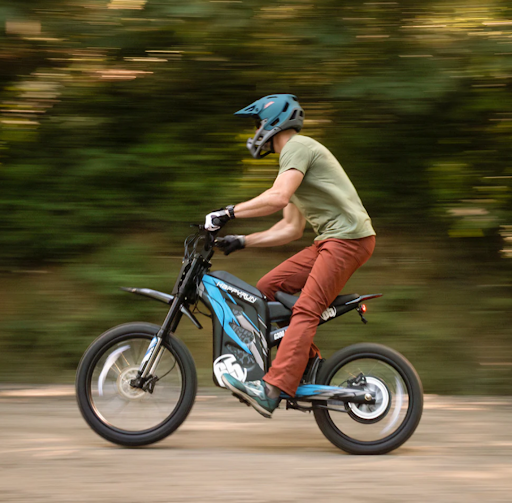
The HappyRun G300 Pro is a clear example of value-focused performance. It delivers:
- 6500W peak motor output, crucial for Moab and Hollister-style climbs
- Up to 50 MPH capability for Class 5 off-road use
- 72V battery system providing up to 60 miles of range, depending on terrain
- Inverted front fork and rear spring suspension, essential for comfort on rocky and muddy trails
Rather than paying for branding, riders get the power, range, and suspension needed to match real terrain demands.
Preparation Checklist for Your Weekend Trip
Before heading out, make sure the basics are covered:
- Check tire pressure for terrain type
- Fully charge the 72V battery (allow enough time)
- Pack essential safety gear: helmet, boots, gloves
- Review local trail regulations
Preparation keeps rides fun instead of stressful.
Frequently Asked Questions (FAQ)
Q: Can electric dirt bikes go on all hiking trails?
A: No. Always check local regulations. Some trails restrict motorized access, electric or not.
Q: What is the range of a 72V electric bike?
A: A 72V system like the G300 Pro can reach up to 60 miles, depending on terrain and riding style.
Q: Is a cheap electric motorcycle safe for jumps?
A: Yes—if it uses a forged frame and proper suspension, like the G300 Pro. Rider skill still matters.
Conclusion
Electric off-roading is no longer limited by noise, cost, or complexity. Across rock, sand, mud, and mixed terrain, the right electric bike setup allows riders to experience real trails without excessive investment.
With high torque (6500W), solid suspension, and long-range capability, machines like the HappyRun G300 Pro show that weekend adventure doesn’t require emptying your savings. It just requires choosing the right route and the right tool.
Pick a trail, prepare properly, charge the battery, and ride.