From Ancient Staple to Modern Superfood
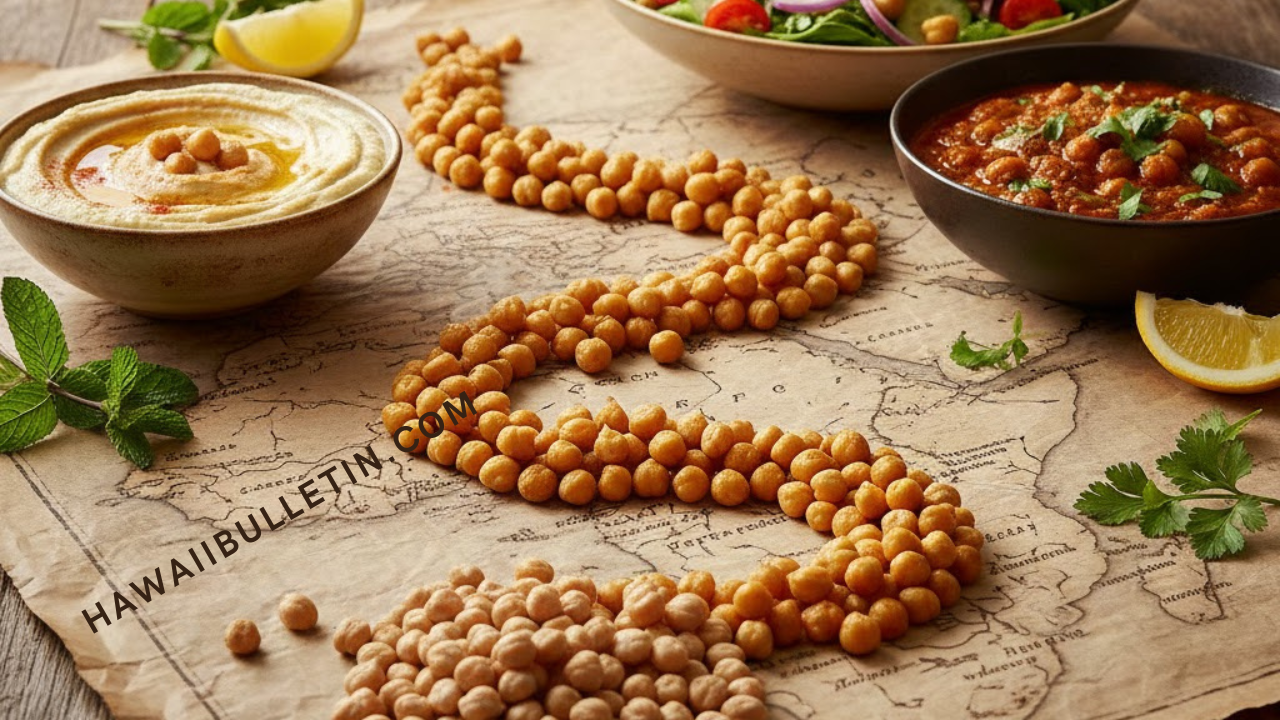
For over 7,000 years, chickpeas have been cultivated, originating in the region between southeast Turkey and the Fertile Crescent. Today, these humble legumes, also known as garbanzo beans or Bengal gram, have surged in popularity to become a celebrated nutritional powerhouse in modern kitchens worldwide. Whether you’re seeking better health, more creative meal options, or simply trying to use up those cans in your pantry, chickpeas offer a remarkable combination of versatility and nutrition that few other foods can match. This comprehensive guide explores why these tiny beans deserve their superfood status and how you can incorporate them into your daily life.
A Deep Dive into Chickpea Nutrition
To truly appreciate chickpeas, we must first examine their impressive nutritional profile. A single cup (164 grams) of cooked chickpeas provides a substantial package of essential nutrients:
-
Calories: 269
-
Protein: 14.5 grams
-
Fat: 4 grams
-
Carbohydrates: 45 grams
-
Fiber: 12.5 grams
Beyond these macronutrients, chickpeas deliver a remarkable array of vitamins and minerals. They’re particularly rich in manganese (74% of the Daily Value), folate (71% DV), and copper (64% DV). This nutrient density contributes to their classification as a “functional food”—offering health benefits that extend beyond basic nutrition.
Table: Nutritional Comparison of Chickpea Forms (per 100g)
| Nutrient | Dry Chickpeas | Cooked Chickpeas | Hummus |
|---|---|---|---|
| Calories | 378 | 164 | 166 |
| Protein | 20.47g | 8.86g | 7.90g |
| Fiber | 12.2g | 7.6g | 6.0g |
| Iron | 4.31mg | 2.89mg | 2.44mg |
| Folate | 557μg | 172μg | 83μg |
| Data sourced from USDA National Nutrient Database |
One point of nutritional clarification deserves mention: you may encounter conflicting information about whether chickpeas are a “complete protein.” Some sources note they contain all nine essential amino acids, while others indicate they’re lower in methionine. The consensus is that pairing chickpeas with whole grains like quinoa creates a complete protein profile, making them especially valuable for vegetarians and vegans.
Science-Backed Health Benefits of Chickpeas
Weight Management and Appetite Control
The substantial fiber and protein in chickpeas work synergistically to promote feelings of fullness. Research shows that the fiber in chickpeas is primarily soluble, forming a gel-like substance in your digestive tract that slows digestion. One study found that people who ate chickpeas regularly were 53% less likely to have a BMI over 30 compared to non-consumers. Another compelling study demonstrated that participants who consumed chickpeas before a meal experienced significantly reduced appetite and calorie intake compared to those who ate white bread.
Blood Sugar Regulation
For those concerned about blood sugar levels, offer particular benefits. With a low glycemic index, they help prevent the rapid blood sugar spikes associated with many carbohydrate-rich foods. The unique combination of fiber and protein in chickpeas slows the absorption of glucose into the bloodstream. One study revealed that eating chickpeas suppressed post-meal blood sugar increases by up to 36% compared to eating white bread.
Heart Health Protection
Regular chickpea consumption supports cardiovascular health through multiple mechanisms. The soluble fiber helps reduce LDL (“bad”) cholesterol levels. Chickpeas are naturally cholesterol-free and low in sodium while providing heart-healthy nutrients like magnesium and potassium, which help regulate blood pressure. Research indicates that eating at least one serving of legumes daily can significantly lower LDL cholesterol levels.
Digestive Health and Cancer Prevention
The impressive fiber content in —approximately 12.5 grams per cup—promotes regular bowel movements and supports a healthy digestive system. Furthermore, chickpeas contain compounds that may reduce cancer risk. When you eat , your gut bacteria produce butyrate, a short-chain fatty acid that may help reduce inflammation in colon cells and potentially decrease colon cancer risk. Chickpeas also contain saponins, plant compounds studied for their potential to inhibit tumor growth.
Unexpected Benefits: From Skin to Sleep
Beyond internal health, chickpeas offer surprising external and holistic benefits:
-
Skin Health: Rich in magnesium and zinc, may help reduce acne, balance sebum production, and improve skin elasticity. The manganese in fights wrinkle-causing free radicals, while molybdenum helps detoxify skin.
-
Brain Function: provide choline, essential for producing neurotransmitters, along with magnesium, selenium, and zinc—nutrients that may help protect against depression and anxiety.
-
Sleep Quality: As one of the richest sources of the amino acids tryptophan and serotonin, chickpeas can help regulate sleep patterns and moods.
-
Iron Supply: With approximately 26% of the Daily Value for iron per cup, chickpeas help prevent iron deficiency, especially valuable for vegetarians, vegans, and pregnant women.
Culinary Versatility: Beyond Hummus
Pantry Staple Transformations
If you have cans of chickpeas accumulating in your pantry (a phenomenon the New York Times calls “chickpea anxiety”), you have countless delicious options:
-
Roasted: Toss rinsed and dried chickpeas with olive oil and spices, then roast at 425°F for 20 minutes until crispy. Use as salad toppers, soup garnishes, or standalone snacks.
-
Mashed: Create a vegetarian sandwich filling by mashing chickpeas with avocado or vegan mayo, similar to tuna salad.
-
Marinated: Soak cooked chickpeas in a mixture of olive oil, lemon juice, garlic, and herbs for a flavorful addition to grain bowls.
-
Pan-Fried: Quickly crisp chickpeas in a skillet with spices for tacos or as a protein boost in vegetable dishes.
Global Inspirations
Chickpeas shine in cuisines worldwide:
-
Middle Eastern: Traditional hummus and falafel
-
Indian: Chana masala and various chickpea curries
-
Mediterranean: Chickpea salads with parsley, lemon, and olive oil
-
Italian: Pasta with lemony chickpea sauce
The Magic of Aquafaba
Don’t discard the liquid in your chickpea can! This viscous brine, called aquafaba, can be whipped into a foam that mimics egg whites. Innovative cooks use it to create vegan mayonnaise, meringues, and even cocktail foams. In baked goods, aquafaba helps bind ingredients without eggs, making it invaluable for vegan baking.
Practical Tips for Incorporating Chickpeas
Dietary Considerations
-
Low FODMAP Diet: You can still enjoy up to 42g (¼ cup) of canned chickpeas if you drain and rinse them thoroughly.
-
Anti-Nutrients: Like many legumes, contain compounds like phytates that can inhibit mineral absorption. Soaking, cooking, and pairing chickpeas with vitamin C-rich foods (like red peppers) can increase iron and zinc availability.
-
Gluten-Free: Naturally gluten-free, and chickpea flour are excellent alternatives for those with celiac disease or gluten sensitivity.
Selection and Storage
-
Canned vs. Dried: Canned offer convenience (and are already cooked), while dried are more economical. Dried chickpeas require soaking overnight before cooking.
-
Storage: Cooked chickpeas keep refrigerated for 3-4 days. Dried store for months in a cool, dark place.
Simple Starting Points
If you’re new to cooking with , begin with these easy ideas:
-
Add rinsed to green salads for instant protein
-
Blend with tahini, lemon, and garlic for homemade hummus
-
Toss with olive oil and roast for a crunchy snack
-
Stir into soups and stews during the last 10 minutes of cooking
A Sustainable Choice with Historical Roots
Chickpeas represent more than just a nutritious food—they’re a sustainable crop with deep historical significance. As one of the earliest cultivated vegetables, domesticated around 7,000 BC, have nourished civilizations for millennia. Today, they continue to offer solutions to modern dietary challenges, providing plant-based protein that requires significantly fewer resources than animal proteins.
The growing popularity of reflects a broader shift toward plant-forward eating. As dietitian Patricia Bridget Lane notes, “Chickpeas are a great option for people who may be at a high risk of iron deficiency, such as vegans and vegetarians”. With consumer demand increasing, the hummus market alone has grown to over $530M in U.S. sales, indicating these ancient legumes have firmly established their place in contemporary diets.
Your Chickpea Journey Starts Now
From their impressive nutritional profile to their remarkable culinary flexibility truly deserve their reputation as a superfood. Whether you’re seeking better health, more sustainable eating habits, or simply delicious meals, these versatile legumes offer a simple solution.
The evidence is clear: incorporating into your regular eating pattern can contribute to better weight management, improved digestive health, stabilized blood sugar, and reduced risk of chronic diseases. With their extended shelf life, affordability, and global culinary appeal, they represent one of the most accessible paths to healthier eating.