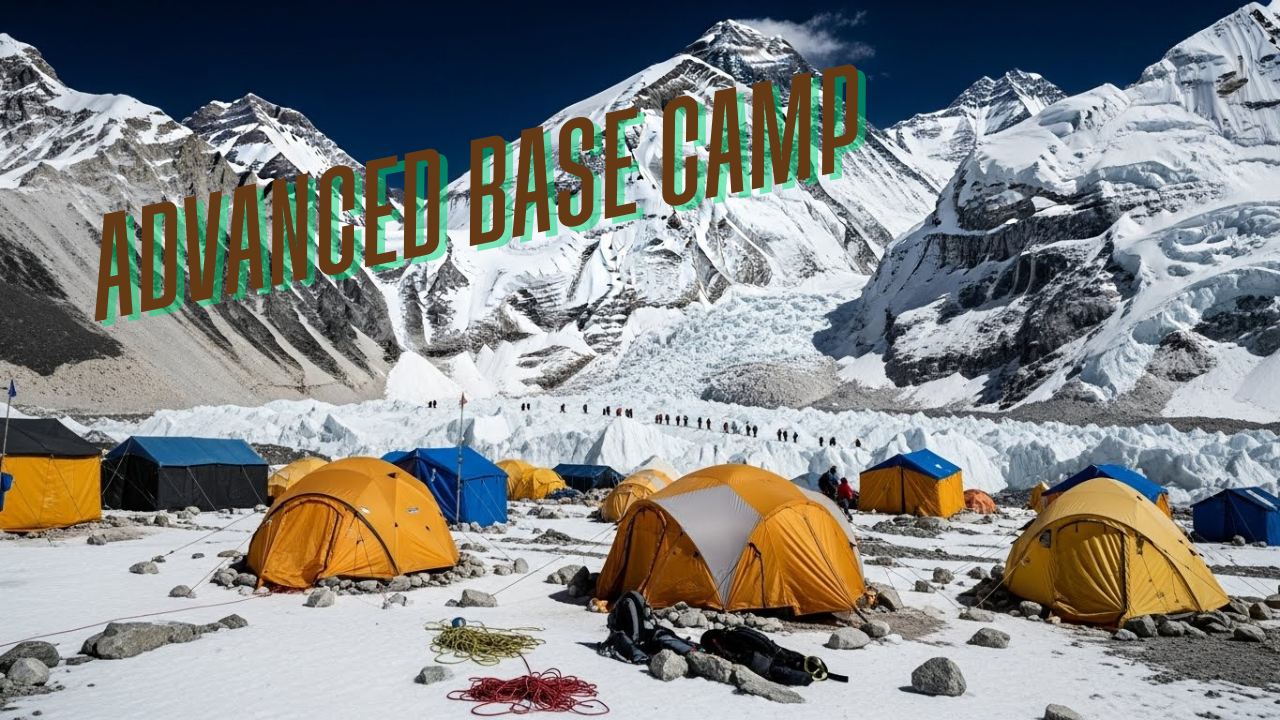
High-altitude expeditions often conjure images of breathtaking vistas and daring climbers battling harsh conditions. While the summit grabs the spotlight, there’s an unsung hero in this narrative: the Advanced Base Camp (ABC). These strategic high-altitude staging points play a pivotal role for mountaineers, bridging the gap between base camps and demanding climbing routes. Understanding their significance can change how we view these monumental journeys into some of Earth’s most challenging terrains. Join us as we delve deeper into the world of advanced base camps on Everest and discover why they are vital to successful ascents.
Advanced Base Camps serve as essential hubs for climbers, strategically positioned above the main base camp but below technical climbing routes. They provide crucial support and acclimatization opportunities, allowing teams to rest and prepare for their ascent. Understanding the structure of these camps enhances our appreciation for the meticulous planning involved in high-altitude expeditions.
I. Mount Everest Camps
Mount Everest features a series of camps that support climbers on their ascent. Starting with Everest Base Camp (EBC), teams acclimatize before tackling higher altitudes. Camps I through IV serve as strategic points, providing rest and resources while climbers push toward the summit. Each camp plays a vital role in ensuring safety and success during high-altitude expeditions.
Everest Base Camp (EBC)
Everest Base Camp (EBC), situated at 5,364 meters on the Khumbu Glacier, serves as the primary staging area for climbers. It’s a vibrant hub filled with trekkers and climbers preparing for their ascent. The breathtaking views of towering peaks create an awe-inspiring atmosphere that draws adventurers from around the globe each trekking season.
Camp I
Camp I, situated at approximately 5,300 meters on the Khumbu Icefall route, serves as a pivotal acclimatization stop. Climbers use this camp to adapt to the thinning air and prepare for higher elevations. Its location offers stunning views of surrounding peaks while presenting challenges like crevasses and unstable ice formations that demand caution from mountaineers.
Camp II
Camp II, situated at 6,400 meters on the Lhotse Face, serves as a critical acclimatization point for climbers. This camp is strategically placed to prepare mountaineers for the challenges ahead. With its icy terrain and significant elevation gain, Camp II demands respect and careful planning from those aiming for Everest’s summit. It’s a pivotal stop in their journey.
Camp III
Camp III, situated at an altitude of approximately 8,300 meters on Everest’s Lhotse Face, serves as a critical waypoint for climbers. This camp offers limited shelter and resources but is essential for acclimatization. Climbing from Camp II to Camp III involves navigating steep ice and snow slopes, testing both endurance and technical skills. It’s a pivotal moment in any expedition.
Camp IV
Camp IV, located at 7,925 meters on the South Col route, is often the final stop before summiting Mount Everest. This site presents extreme conditions and serves as a crucial resting point for climbers. With limited oxygen and harsh weather, it tests athletes’ endurance while they prepare for the summit push.
II. Advanced Base Camp at 6,400m
Advanced Base Camp at 6,400 meters serves as a critical staging point for climbers on their ascent of Mount Everest. Positioned strategically between the main base camp and higher camps, it enables acclimatization and preparation. This altitude provides access to essential supplies while offering stunning views of the surrounding peaks, fostering both physical endurance and mental fortitude.
North Col at 7,000m
The North Col, situated at 7,000 meters, serves as a critical waypoint for climbers on the northeastern ridge of Mount Everest. This high-altitude camp offers essential acclimatization before tackling the challenging ascent to Camp II. Climbers often face harsh weather conditions here, making it vital for preparation and strategy in their expedition plans.
Camp 2 at 7,800m
Camp 2, situated at an elevation of 7,800 meters on Everest’s south side, serves as a critical hub for climbers. This high-altitude camp provides essential rest and acclimatization before ascending to the challenging Camp 3. It offers stunning views of the surrounding peaks while presenting harsh weather conditions that test every mountaineer’s endurance.
Camp 3 at 8,300m
Camp 3, situated at an altitude of 8,300 meters on Everest’s Lhotse face, is a critical staging point for climbers. Its harsh conditions include fierce winds and extreme cold. At this height, acclimatization becomes essential, as oxygen levels plummet. Climbers often spend minimal time here to preserve energy for the final ascent to the summit.
III. Base Camp Trekking Mount Everest South
The South Base Camp Trek to Mount Everest offers breathtaking views and an immersive experience in the Himalayas. This popular route leads trekkers through vibrant Sherpa villages, lush landscapes, and iconic monasteries. Adventurers can expect stunning panoramas of surrounding peaks while acclimatizing to high altitudes before reaching the famed Everest Base Camp at 5,364 meters.
South Camp III
South Camp III, positioned at approximately 7,400 meters on the southern route of Mount Everest, serves as a vital acclimatization point. It provides climbers respite from altitude sickness while preparing for the ascent to higher camps. The camp offers essential resources and shelter amid harsh conditions, making it crucial for successful high-altitude expeditions on Everest.
IV. North Base Camp Trekking Mount Everest
North Base Camp trekking offers a unique perspective on Mount Everest. Situated in Tibet, this route provides stunning views and fewer crowds compared to the South side. Trekkers experience diverse landscapes, rich culture, and captivating monasteries along the way. The journey is challenging yet rewarding, making it an unforgettable adventure for those seeking solitude in nature’s grandeur.
North Advanced Base Camp Mount Everest
The North Advanced Base Camp on Mount Everest is a vital staging area for climbers. Located at approximately 6,400 meters, it serves as a launching point for challenging ascents toward the summit. Here, climbers acclimatize and prepare their gear before tackling the demanding routes ahead. This camp enhances safety and efficiency during high-altitude expeditions.
North Col Trekking Mount Everest
Trekking to the North Col of Mount Everest offers climbers a unique perspective on the mountain’s majesty. Situated at 7,000 meters, this route challenges trekkers with its rugged terrain and unpredictable weather. Adventurers often encounter breathtaking views of surrounding peaks while navigating crevasses, preparing them for higher altitudes ahead in their expedition.
V. Everest Advanced Base Camp vs Everest Base Camp: What’s the difference?
Everest Base Camp (EBC) serves as the primary starting point for climbers, providing essential supplies and acclimatization. In contrast, Advanced Base Camp (ABC) is a high-altitude staging area situated closer to climbing routes. While EBC offers accessibility and amenities, ABC presents unique challenges due to its altitude and proximity to technical ascents.
Purpose and Preparation
An Advanced Base Camp (ABC) serves as a crucial staging area for climbers. It allows them to acclimatize and prepare mentally and physically before tackling higher altitudes. Proper preparation includes organizing gear, planning routes, and ensuring adequate nutrition. This stage is vital for maximizing success in high-altitude endeavors while minimizing risks associated with harsh conditions.
Nature’s Serenity vs. High-Altitude Challenges
At advanced base camps, nature presents breathtaking serenity amidst towering peaks and vast horizons. However, this beauty comes with high-altitude challenges. Thin air makes each breath laborious, while extreme weather can shift rapidly. Climbers must balance their awe for the landscape with the physical demands of altitude sickness and preparation for unpredictable conditions.
Popularity and Best Time to Visit
Advanced Base Camps attract seasoned climbers seeking the thrill of high-altitude challenges. The most popular time to visit is during the spring climbing season, typically from late April to early June. During this period, weather conditions are more favorable, providing clear skies and stable temperatures for those aiming to conquer Everest’s heights.
Conclusion
Advanced Base Camps play a vital role in the success of high-altitude expeditions. They provide climbers with essential resources, acclimatization opportunities, and strategic rest points. Understanding their significance enhances appreciation for the complexities of mountaineering on peaks like Everest. These camps are indispensable for navigating challenging terrains while striving for summit glory.
FAQs
FAQs provide quick answers to common queries about advanced base camps. They clarify what an Advanced Base Camp is, highlight the challenges between Everest Base Camp and ABC, explain their differences, and detail ABC’s altitude. These insights help climbers prepare better for high-altitude expeditions while understanding the significance of each camp on Mount Everest.
What is advanced Base Camp?
An Advanced Base Camp (ABC) is a crucial, high-altitude staging point for mountaineers. Typically situated above the main base camp but below technical climbing routes, it serves as a resting and acclimatization area. ABC plays an essential role in facilitating climbers’ transition to higher elevations while providing support and resources during challenging expeditions.
Which is harder, EBC or ABC?
The challenge of trekking to Everest Base Camp (EBC) often overshadows the difficulties faced at Advanced Base Camp (ABC). While EBC is a popular trek with well-established paths, ABC involves tougher terrain and altitude acclimatization. Climbers must navigate technical challenges and face harsher weather conditions, making ABC generally more demanding than EBC in terms of physical endurance and skills.
What is the difference between Everest Base Camp and advanced Base Camp?
Everest Base Camp (EBC) serves as the primary launching point for climbers, offering essential support and amenities. In contrast, an Advanced Base Camp (ABC) is higher in altitude, closer to technical climbing routes. While EBC focuses on acclimatization and preparation, ABC is a crucial staging area for challenging ascents beyond EBC’s limits.
How high is Everest Advanced Base Camp?
The Everest Advanced Base Camp (ABC) sits at an impressive altitude of 6,400 meters. This elevation makes it a vital staging area for climbers preparing for the final ascent to the summit. At ABC, mountaineers acclimatize and strategize before tackling the challenging routes above. Understanding its height and function highlights its importance in high-altitude expeditions on Mount Everest.