Matcha has taken the world by storm, captivating tea lovers and health enthusiasts alike. This vibrant green powder offers a unique twist on traditional green tea, but what does matcha taste like? Understanding its flavor is key to appreciating this superfood’s versatility and culinary potential. From lattes to desserts, matcha’s distinct profile enhances various dishes while providing an array of health benefits. Join us as we delve into the fascinating world of matcha, exploring its origins, production process, and diverse applications in your daily diet.
What is Matcha and Where Does It Come From?
Matcha is a finely ground powder made from specially cultivated green tea leaves, known as Camellia sinensis. Originating in Japan during the 12th century, matcha was initially used by Zen Buddhist monks for meditation and focus due to its calming yet energizing effects.
The process of growing matcha involves shading the tea plants for several weeks before harvest, which enhances the chlorophyll content and gives it that vibrant green color. This unique cultivation method contributes to both its flavor profile and nutritional benefits.
How Matcha is Made and Why It is Unique
Matcha is made using shade-grown tea leaves, primarily from the Camellia sinensis plant. The process begins with covering the plants a few weeks before harvest to enhance chlorophyll production and amino acids. After harvesting, the leaves are steamed to prevent oxidation.
Next, they are dried and ground into a fine powder called matcha. This meticulous process preserves the vibrant green color and unique flavor profile, making matcha distinct from other teas. Its rich taste reflects both tradition and craftsmanship in every cup.
Matcha Taste: The Culinary Exploration
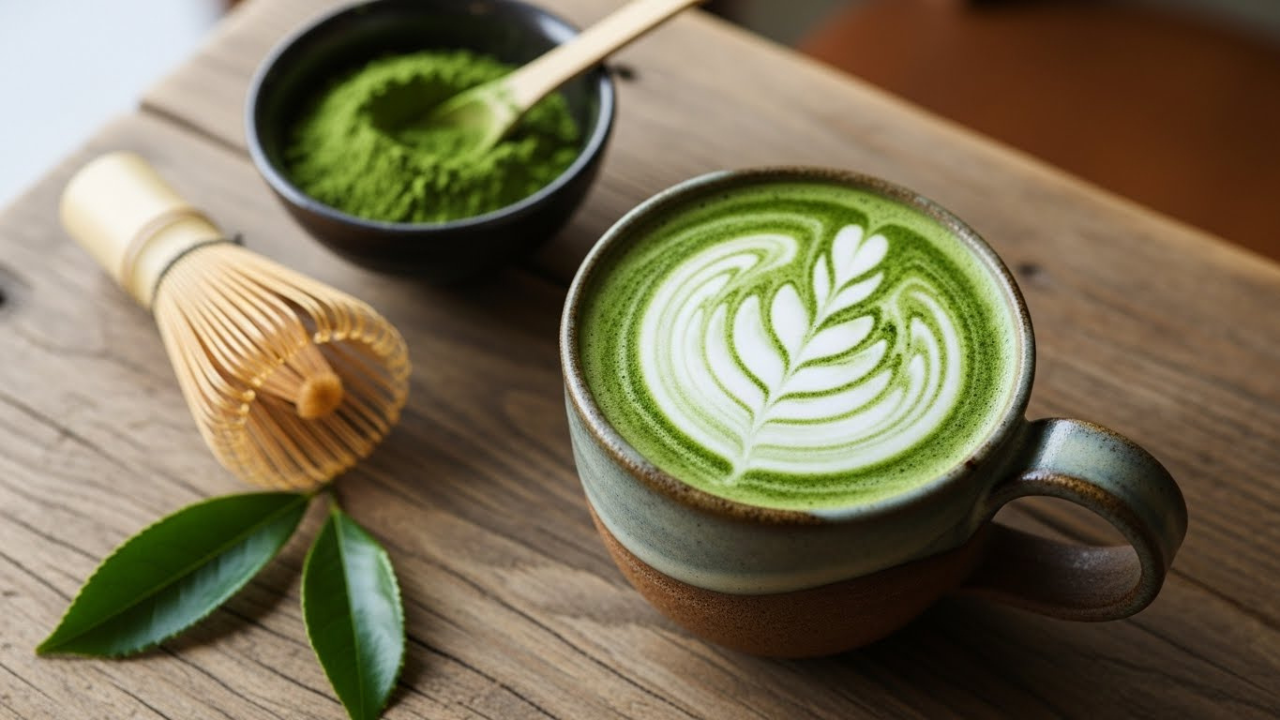
Matcha offers a unique taste experience that goes beyond traditional green tea. Its flavor is often described as earthy, grassy, and slightly sweet, with a creamy texture when prepared correctly. The vibrant green powder has a complex profile that can vary based on the quality of the matcha.
When exploring its culinary potential, you’ll find it enhances both sweet and savory dishes. From lattes to smoothies and even baked goods, matcha adds depth while providing numerous health benefits.
Exploring the Flavor Profile of Matcha
Matcha boasts a complex flavor profile that can be both rich and nuanced. Its taste is often described as grassy, vegetal, or even slightly sweet, with hints of umami. The balance between these flavors creates a unique experience for the palate.
The intensity of matcha’s flavor can vary based on its grade and quality. Higher-grade matcha tends to have a smoother, more delicate taste, while lower grades may present bitterness due to less careful cultivation and processing methods. Each cup offers something distinct to explore.
Understanding the Influence of Growing Conditions
The flavor profile of matcha is significantly influenced by its growing conditions. Factors such as soil quality, climate, and sunlight play a vital role in determining the taste. Matcha grown in shaded areas tends to have a sweeter, more vibrant flavor due to increased chlorophyll production.
Additionally, high-altitude plantations often produce leaves with richer flavors and aromas. The unique terroir of each region imparts distinct characteristics to the matcha, making it essential for enthusiasts to explore various sources for diverse tasting experiences.
The Impact of Processing on Matcha Taste
The processing of matcha plays a crucial role in defining its taste. After harvesting, the leaves are steamed to prevent oxidation, preserving their vibrant color and fresh flavor. This step ensures that the delicate compounds remain intact, contributing to matcha’s unique umami profile.
After steaming, the leaves are dried and stone-ground into a fine powder. The grinding method impacts texture and flavor intensity—finer powders tend to have a smoother taste while coarser ones can be more bitter.
The Significance of Freshness and Storage
Freshness is crucial for maintaining the vibrant flavor profile of matcha. The delicate powder can lose its taste and nutritional benefits over time, especially when exposed to light, air, or moisture. Ideally, matcha should be consumed within a few months of opening.
Proper storage plays a key role in preserving its quality. Store matcha in an airtight container in a cool, dark place to protect it from environmental factors that can compromise both taste and potency. This ensures you enjoy every sip at its best.
Utilizing Matcha in Different Forms
Matcha can be enjoyed in various forms, making it a versatile ingredient. From traditional matcha tea to lattes and smoothies, its vibrant green powder adds flavor and health benefits to countless beverages. You might even find it infused into desserts like ice cream, cakes, or energy balls.
Beyond drinks and sweets, matcha enhances savory dishes too. Try incorporating it into salad dressings or marinades for a unique twist. The possibilities are endless when you embrace matcha’s rich taste in your culinary adventures.
Creative Ways to Incorporate Matcha into Your Diet
Matcha can easily elevate a variety of dishes. Start your day with matcha-infused smoothies or oatmeal for an energizing boost. Add it to yogurt or pancakes for a vibrant green twist that also packs in health benefits.
For savory options, consider incorporating matcha into salad dressings or marinades. You can even sprinkle it over popcorn for a unique snack experience. Each method offers a delightful way to enjoy the distinct flavor while reaping its nutritional rewards.
Exploring Matcha in Various Culinary Creations
Matcha’s versatility makes it a popular ingredient in various culinary creations. Chefs and home cooks alike have embraced its vibrant green hue and unique flavor, integrating it into desserts like cakes, cookies, and ice creams. The subtle bitterness of matcha can elevate the taste profile of sweet dishes while adding a nutritional boost.
Savory options also abound; consider matcha-infused sauces or dressings that complement salads and grilled vegetables. Its distinct flavor enhances both traditional recipes and innovative fusion cuisine, making every dish an adventure for the palate.
Enhancing the Matcha Experience
To fully enjoy matcha, preparation is key. Use high-quality water heated to about 175°F (80°C) for the best flavor extraction. Whisk vigorously with a bamboo whisk until frothy, ensuring an even and smooth texture. This enhances both taste and aroma, elevating your matcha experience.
Selecting premium-grade matcha is equally important. Look for vibrant green hues that indicate freshness and quality. The finer the powder, the better it blends into beverages or dishes, providing a richer flavor profile and smoother mouthfeel when consumed.
Optimal Preparation Techniques for Matcha
To prepare matcha optimally, start with high-quality powder and use a fine sieve to eliminate clumps. This ensures a smooth texture. Heat water to about 175°F (80°C); boiling water can scorch the delicate flavor.
Use a bamboo whisk, or chasen, for traditional preparation. Whisk vigorously in an “M” motion until you achieve froth on top. The right technique enhances the vibrant green hue and unlocks its rich umami flavor, making every sip delightful and satisfying.
Choosing the Right Quality Matcha for a Delightful Experience
When selecting matcha, the quality varies significantly. Look for vibrant green color, which indicates high chlorophyll levels and freshness. Ceremonial-grade matcha is typically the best choice for drinking due to its smooth texture and rich flavor.
Additionally, always check for origin labels. Japanese-grown matcha from Uji or Nishio regions often offers superior taste profiles. Avoid blends that contain additives or fillers; pure matcha provides a more authentic experience in both flavor and aroma.
FAQS
Matcha has captured the attention of many, particularly Gen Z. This demographic is drawn to its unique flavor and vibrant green color, often seeking healthier lifestyle choices. Matcha’s versatility in various drinks and desserts adds to its appeal.
When it comes to flavor comparisons, matcha’s taste can be likened to a rich blend of umami and slight bitterness. Many enjoy its earthy notes combined with sweetness. Additionally, matcha is halal-friendly, making it accessible for diverse dietary preferences.
Why is Gen Z obsessed with matcha?
Gen Z’s obsession with matcha stems from a blend of health consciousness and aesthetics. This vibrant green powder is packed with antioxidants, offering energy without the jitters associated with coffee. Many young people are drawn to its potential health benefits, like boosting metabolism and enhancing focus.
Additionally, matcha has become a social media sensation. Its eye-catching color makes for beautiful photos that thrive on platforms like Instagram and TikTok. The combination of wellness trends and visual appeal fuels Gen Z’s love for this unique beverage.
What is matcha flavor similar to?
Matcha flavor is often compared to that of high-quality green tea, but it carries a unique depth. Its taste can be described as umami-rich, with earthy notes and subtle sweetness. This complexity sets matcha apart from regular green tea.
Some enthusiasts liken its flavor profile to that of fresh spinach or seaweed due to the vegetal undertones. The creamy texture adds a luxurious mouthfeel, making every sip a delightful experience that transcends traditional tea flavors.
What does matcha do to your body?
Matcha is packed with antioxidants, particularly catechins, which help combat oxidative stress in the body. These powerful compounds can enhance metabolism and support weight management by boosting fat oxidation.
Additionally, matcha contains L-theanine, an amino acid that promotes relaxation without drowsiness. This unique combination can lead to improved focus and mental clarity while providing a steady energy boost throughout the day. Regular consumption may also contribute to better cardiovascular health and immune function.
Is matcha halal?
When it comes to dietary restrictions, many wonder if matcha is halal. The good news is that pure matcha powder derived from the Camellia sinensis plant is generally considered halal. However, it’s essential to check for any additives or flavorings in processed matcha products. Always look for certifications on packaging to ensure compliance with halal standards. By doing so, you can enjoy your cup of matcha worry-free and savor its unique taste benefits!