
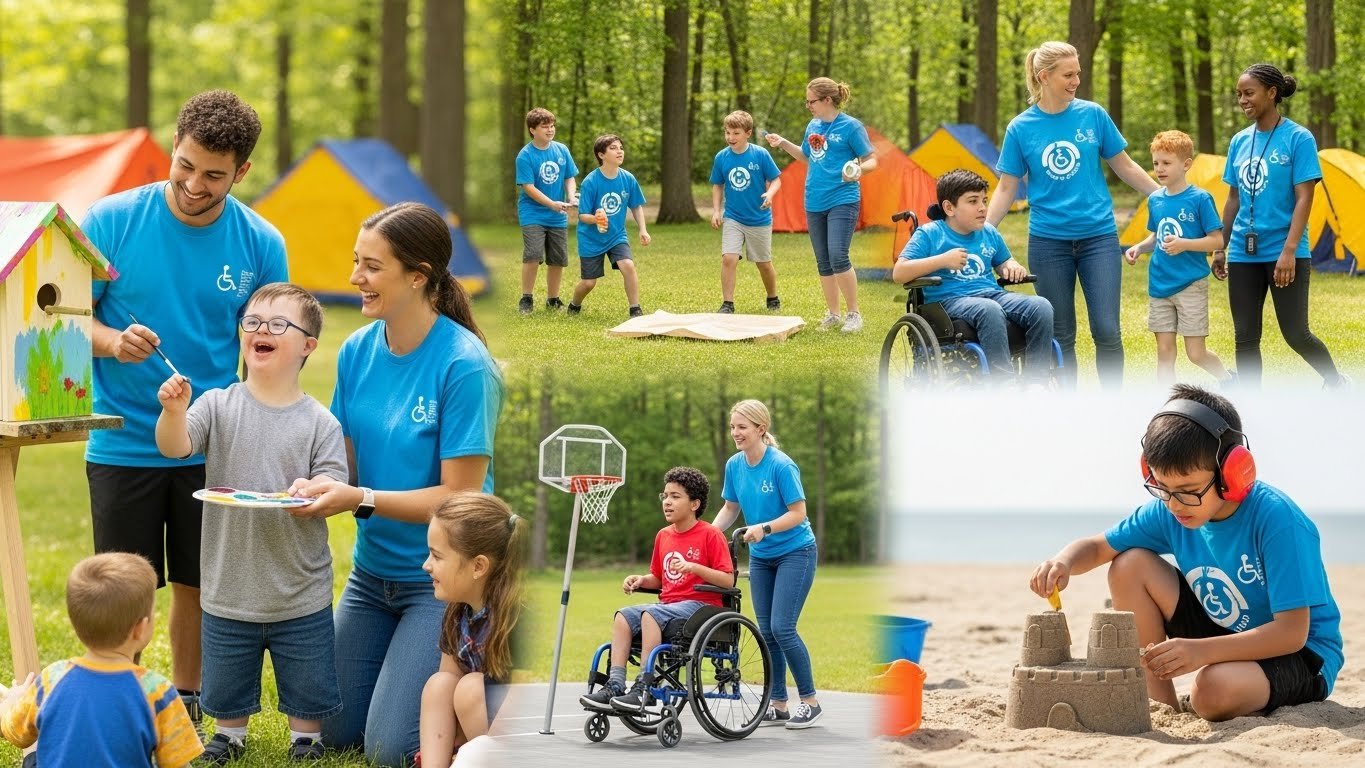
Choosing a summer camp for a child with special needs is a decision that carries emotional, developmental, and practical significance. Summer camp is more than just a way to fill time during school breaks; it is an opportunity for growth, social connection, confidence building, and independence. For children with special needs, the right camp can reinforce skills, encourage new experiences, and provide a sense of belonging, while the wrong environment can lead to frustration, anxiety, or regression. This makes it essential for families to approach the selection process thoughtfully and intentionally.
Parents and caregivers often balance many concerns when choosing a camp, including safety, staff training, communication styles, daily structure, and the child’s individual needs. Understanding what to look for and which questions to ask helps families move beyond surface-level descriptions and identify programs that genuinely support their child’s development. With careful planning, summer camp can become a positive and enriching experience that benefits the child long after the season ends.
Identifying Your Child’s Individual Needs and Strengths
The first step in choosing the right summer camp is gaining a clear understanding of your child’s individual needs, strengths, and preferences. Every child is unique, and children with special needs may require specific accommodations related to communication, sensory processing, behavior regulation, or physical support. Reflecting on what helps your child feel safe, motivated, and engaged will guide your search and help narrow down suitable options.
It is equally important to consider your child’s strengths and interests, not just their challenges. Some children thrive in structured environments with predictable routines, while others benefit from creative, play-based activities. Understanding whether your child enjoys group activities, prefers smaller settings, or needs gradual transitions can help you identify programs that align with their personality. Camps that recognize both needs and strengths are better equipped to create meaningful and enjoyable experiences.
Understanding Different Types of Summer Camp Programs
Summer camps for children with special needs vary widely in structure, philosophy, and level of support. Some camps are specifically designed for children with developmental, behavioral, or physical differences, while others are inclusive programs that integrate children with and without disabilities. Each option has its benefits, depending on the child’s needs and comfort level.
Specialized camps often provide higher staff-to-camper ratios, trained professionals, and tailored programming. Inclusive camps, on the other hand, may offer opportunities for peer modeling and social integration. Families should consider which environment best supports their child’s goals and emotional well-being. Programs like Kids Club ABA may offer structured support that blends skill development with engaging activities, making them a valuable option for children who benefit from consistent guidance and individualized attention.
Evaluating Staff Training and Qualifications
One of the most critical factors in choosing a summer camp is the training and experience of the staff. Children with special needs require caregivers who understand how to support diverse learning styles, manage behaviors compassionately, and communicate effectively. Parents should ask about staff qualifications, ongoing training, and experience working with children who have similar needs.
A quality camp should be transparent about its hiring practices and training programs. Staff should be knowledgeable about behavior support strategies, sensory accommodations, and positive reinforcement. Programs associated with Kids Club ABA often emphasize evidence-based practices and structured support, which can provide families with added confidence in the camp’s ability to meet their child’s needs safely and respectfully.
Assessing Safety, Supervision, and Support Systems
Safety is a top priority for any summer camp, but it is especially important for children who may require additional supervision or assistance. Families should inquire about staff-to-child ratios, supervision policies, and emergency procedures. Camps should have clear protocols for medical needs, allergies, and behavioral concerns, as well as plans for handling unexpected situations.
Support systems within the camp are equally important. This includes access to trained supervisors, communication channels with parents, and strategies for addressing challenges as they arise. A camp that prioritizes safety and proactive support creates an environment where children can explore, learn, and have fun without unnecessary risk.
Exploring Daily Structure and Activity Planning
Daily structure plays a significant role in how comfortable and successful a child will be at summer camp. Some children with special needs benefit from predictable routines and clear expectations, while others may need flexibility and frequent breaks. Understanding how a camp structures its day helps families determine whether it aligns with their child’s needs.
Ask about schedules, transitions between activities, and how downtime is managed. Activities should be adapted to accommodate different abilities and sensory needs. Programs like Kids Club ABA often incorporate structured routines alongside engaging activities, helping children feel secure while still enjoying variety and creativity. A balanced schedule can reduce anxiety and support positive participation.
Understanding Behavior Support and Emotional Regulation Strategies
Behavior support is an essential component of any camp serving children with special needs. Families should ask how the camp approaches challenging behaviors and emotional regulation. Effective programs focus on understanding the underlying causes of behavior and teaching appropriate coping and communication skills rather than relying on punishment or exclusion.
Camps that use positive, respectful strategies create an environment where children feel understood and supported. Staff should be trained to recognize signs of distress, provide appropriate interventions, and adjust expectations when needed. Programs influenced by Kids Club ABA principles often emphasize consistency, reinforcement, and individualized support, which can be especially beneficial during new or challenging experiences like summer camp.
Evaluating Communication With Families
Clear and consistent communication between the camp and families is vital for building trust and ensuring continuity of care. Parents should ask how the camp communicates daily updates, progress, or concerns. Some camps provide written reports, scheduled check-ins, or informal conversations at drop-off and pick-up times.
Open communication allows families to share important information about their child and stay informed about their experiences. It also helps address issues early before they become larger concerns. Camps that value family collaboration demonstrate a commitment to transparency and partnership, which is essential for a positive camp experience.
Considering Social Opportunities and Peer Interaction
Summer camp is a valuable opportunity for children to develop social skills and build relationships. Families should consider how the camp supports positive peer interaction and inclusion. Ask how group activities are structured and how staff facilitate cooperation, sharing, and communication among campers.
Some children may need support navigating social situations or understanding social cues. Camps that intentionally teach and model social skills can help children feel more confident and connected. Programs associated with Kids Club ABA often integrate social learning into activities, making interactions feel natural and rewarding rather than forced or overwhelming.
Reviewing Flexibility and Individualized Accommodations
Flexibility is a key indicator of a camp’s ability to meet individual needs. Families should ask how the camp adapts activities, schedules, and expectations for different children. A rigid program may struggle to accommodate sensory sensitivities, energy levels, or learning differences.
Individualized accommodations might include modified activities, quiet spaces, visual supports, or alternative communication methods. Camps that welcome customization show a genuine commitment to inclusion and respect for each child’s unique profile. This flexibility helps children feel accepted and supported rather than pressured to conform.
Understanding Enrollment, Policies, and Expectations
Before enrolling, families should carefully review the camp’s policies, including enrollment requirements, attendance expectations, and behavior guidelines. Understanding these details helps prevent misunderstandings and ensures that the camp is a good fit from a logistical standpoint.
Families should also clarify expectations around participation, independence, and support levels. A transparent camp will clearly explain what it can and cannot provide, allowing families to make informed decisions. Programs like Kids Club ABA often emphasize clarity and collaboration, helping families feel confident in their choice.
Preparing Your Child for the Camp Experience
Once a camp is selected, preparation plays an important role in success. Families can help their child adjust by talking about the camp, reviewing schedules, and visiting the location if possible. Visual supports, social stories, or practice routines can ease anxiety and build excitement.
Communication with camp staff before the session begins is also valuable. Sharing insights about triggers, preferences, and successful strategies helps staff provide more personalized support from the start. Preparation creates a smoother transition and sets the stage for a positive experience.
Measuring Success Beyond Traditional Outcomes
Success at summer camp should be measured in ways that reflect the child’s individual goals and comfort level. For some children, success may mean participating in group activities, while for others it may involve trying new experiences or building independence. Families should consider progress in confidence, communication, and emotional regulation as meaningful outcomes.
Camps that celebrate small achievements and personal growth help children feel proud of their efforts. Programs aligned with Kids Club ABA values often focus on progress rather than perfection, reinforcing positive experiences and encouraging continued growth beyond the summer months.
Final Thoughts on Making the Right Choice
Choosing a summer camp for a child with special needs requires careful consideration, thoughtful questions, and a deep understanding of the child’s unique profile. By evaluating staff training, safety, structure, communication, and flexibility, families can identify programs that truly support their child’s development and well-being.
A well-chosen camp can provide more than just seasonal engagement; it can foster confidence, independence, and joy that extend into everyday life. When families prioritize individualized support and respectful care, summer camp becomes an opportunity for meaningful growth and positive memories that last well beyond the summer season.