
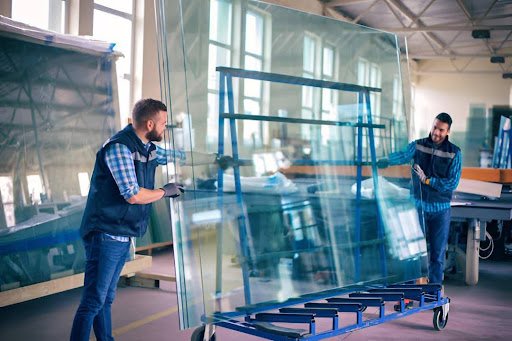
Glass makes buildings look modern, bright, and open. It is used in homes, offices, shops, hotels, and many commercial spaces. But even though glass looks simple, it is actually one of the most sensitive materials in construction. A small mistake in size, drilling, edge finishing, or processing can create serious problems later.
That is why choosing the right supplier is very important. When you work with a reliable glass sheet manufacturer, you are not only buying glass panels. You are reducing risk, protecting your timeline, and making sure your installation goes smoothly.
This article focuses on safety, quality control, and compliance in simple terms. It explains why glass needs careful planning and how buyers can avoid common mistakes.
Why Safety Is Important In Glass Work
Glass is different from many other building materials. If wood is slightly wrong, you can cut it. If metal is a little off, you can adjust it. But glass cannot be adjusted after processing, especially if it is tempered.
If something goes wrong with glass, here is what can happen:
- Panels do not fit into frames
- Holes do not match hardware
- Edges chip during installation
- Glass cracks under stress
- Panels break during handling
- The final result looks uneven or low quality
Because of these risks, safety and accuracy must be planned before production starts.
Where Glass Safety Matters The Most
Not every glass panel faces the same level of risk. Some areas need extra attention.
High Contact Areas
These are places where people touch the glass often:
- Doors
- Shower enclosures
- Office partitions
- Storefront panels
- Glass railings
In these areas, strong processing and correct thickness are very important.
Areas With Falling Risk
These include:
- Stair railings
- Balcony panels
- Large interior dividers
If glass is used at height, safety processing and proper installation become even more critical.
Areas With Strong Lighting
In offices, malls, and modern homes, lighting is strong. Scratches, waves, or edge damage become very visible. So surface quality must be carefully checked.
Understanding Basic Types Of Safety Glass
You do not need technical knowledge to make good decisions. You just need to understand basic options.
Tempered Glass
Tempered glass is heat-treated to make it stronger. If it breaks, it usually breaks into small pieces instead of sharp long shards.
It is commonly used for:
- Shower doors
- Office partitions
- Glass doors
- Interior panels
Laminated Glass
Laminated glass has a layer between two sheets. If it breaks, the pieces stick to that layer.
It is often used for:
- Railings
- Safety areas
- Sound reduction
- Extra protection
The important thing is not just choosing the type—but making sure processing is done correctly and consistently.
Why Accuracy Is Everything
Glass projects often fail because of small measurement mistakes. Even a few millimeters can cause problems.
Important details to confirm:
- Exact width and height
- Glass thickness
- Edge finishing type
- Hole size and hole position
- Corner style
If these details are unclear, installation becomes difficult.
Professional buyers always double-check measurements after the site is ready. They never guess.
Edge Finishing Makes A Big Difference
Many people ignore edge finishing, but it is very important.
There are usually three types:
- Seamed edge (basic smoothing)
- Ground edge (cleaner finish)
- Polished edge (smooth and premium look)
For interior projects where edges are visible, polished edges look much better and reduce chipping risk.
Poor edge finishing is one of the main reasons glass cracks later.
Drilling And Hardware Matching
One of the most common problems happens with holes and hardware.
If holes are slightly wrong:
- Hinges do not align
- Handles sit uneven
- Stress forms around drilled areas
- Glass may crack later
Before production, always confirm:
- Hole diameter
- Distance from edges
- Hardware model
- Clamp thickness range
A good supplier will ask these questions before cutting.
Why Inspection Before Shipping Matters
Quality control should not happen only at the jobsite. It should happen before the glass leaves the factory.
Important inspection points include:
- Surface scratches
- Edge chips
- Correct size
- Proper hole placement
- Clean finishing
If inspection is weak, the buyer becomes the final inspector—and that creates delays.
Midway through the buying process, many contractors realize that working with an experienced glass sheet manufacturer helps reduce these risks because professional production systems focus on consistency and careful checking before delivery.
Packaging Is Part Of Safety
Even perfect glass can arrive damaged if packaging is weak.
Good packaging includes:
- Separators between sheets
- Edge protection
- Strong wooden crates or A-frames
- Tight strapping
- Clear labels
Many breakages happen during transport, not during production. That is why packaging quality is very important.
Reducing Risk During Installation
Even if manufacturing is perfect, handling at the site matters too.
Here are simple steps to reduce risk:
Plan The Path
Make sure there is enough space to carry large panels safely.
Protect The Edges
Edges are the weakest part of glass. Keep them covered until installation.
Match Hardware First
Before lifting panels, confirm hinges and clamps are ready.
Avoid Stacking Without Protection
Never lean glass directly against hard surfaces without padding.
Small safety steps prevent big losses.
Building Long-Term Confidence With The Right Supplier
In construction work, long-term relationships are important. When you find a supplier who delivers consistent quality, you save time and reduce stress.
A dependable manufacturer:
- Communicates clearly
- Confirms specifications
- Maintains stable quality
- Delivers on time
- Packages carefully
Companies like mannleecw.com understand that buyers need more than just glass—they need reliability and predictable results across multiple projects.
When supply is consistent, contractors can plan larger projects with more confidence.
Final Thoughts
Glass is beautiful and modern, but it requires careful planning. Safety, correct measurements, strong edges, accurate drilling, and proper packaging all matter.
If you want fewer delays, less waste, and smoother installation, focus on details before production begins. Work with a supplier who understands real-world project needs and maintains consistent standards.
When safety and quality are handled correctly, glass projects become easier, faster, and more successful.