Quick facts
- Cost
- Oʻahu's average hotel rate was about $277 a night in the first half of 2026 (state hotel performance reports) — before resort fees and parking, which at full-service resorts can add $75 or more a night. Where you stay changes that bill more than which hotel you pick.
- The short answer
- For a first trip: Waikīkī. For young kids and resort days: Ko Olina. For surf and quiet: the North Shore — with a car, and eyes open about winter surf and rental rules.
- Reservations / permits
- Vacation rentals under 30 days are only legal in resort zones (Waikīkī, Ko Olina, Turtle Bay) and a few mapped apartment areas. A cheap week-long house rental elsewhere is very likely illegal — ask for the registration number.
Last verified Nov 13, 2026 against City & County of Honolulu DPP: Short-Term Rentals. Rules and fees change; check before you go.
On this page
- The short answer
- The three bases at a glance
- Waikīkī: the default, for good reasons
- Ko Olina: the resort bubble, done well
- The North Shore: surf country, not a suburb
- Kahala: the quiet fourth option
- The rule most guides skip: where rentals are legal
- What most guides get wrong
- Frequently asked questions
- Keep planning
The short answer
Stay in Waikīkī on a first trip: it is the only base on Oʻahu where the beach, hundreds of restaurants, tour pickups and the bus network are all outside your door, and the only one that works well without a car. Choose Ko Olina instead if your trip is mostly resort days with young children — its four man-made lagoons are the calmest swimming on the island. Choose the North Shore if surf and quiet matter more than convenience, and accept the driving, the thin dining scene and a short list of legal places to stay.
Everything below is the honest trade-off behind those three sentences, including the two things most guides skip: what each area really costs once fees land, and where vacation rentals are actually legal.
The three bases at a glance
| Waikīkī | Ko Olina | North Shore | |
|---|---|---|---|
| Best for | First trips, no-car trips, nightlife and dining | Families with young kids, resort-first trips | Surfers, return visitors, quiet-seekers |
| The water | Gentle, lifeguarded, beginner surf year-round | Four protected lagoons, calm in almost any weather | Legendary surf Nov–Feb (mostly unswimmable then); calm and lovely in summer |
| Drive to airport | About 25 minutes | About 30–45 minutes | About an hour |
| Drive to Waikīkī | — | 35–45 minutes, worse in rush hour | 60–75 minutes |
| Car needed? | No | Yes, for anything off-resort | Yes |
| Where you sleep | Hundreds of hotels and legal condo rentals | Large resorts (Aulani, Four Seasons) and resort condos | One major resort (Turtle Bay) plus a limited number of legal rentals |
Which base fits you?
- First trip, no car: Waikīkī — nothing else is close.
- Toddlers and pool days: Ko Olina — the lagoons decide it.
- Teens who surf (or want to): Waikīkī in summer for lessons; the North Shore in winter only if watching, not swimming, is the plan.
- Honeymoon, quiet over nightlife: Ko Olina or Kahala (below); Waikīkī’s east end if you still want restaurants in walking distance.
- Tight budget: Waikīkī — it has the island’s only deep bench of mid-range hotels, hostels and legal condo rentals, plus the bus network that removes the rental car bill entirely.
- A week or longer: split the stay — Waikīkī first for sightseeing, then two or three nights somewhere quieter to finish.
Waikīkī: the default, for good reasons
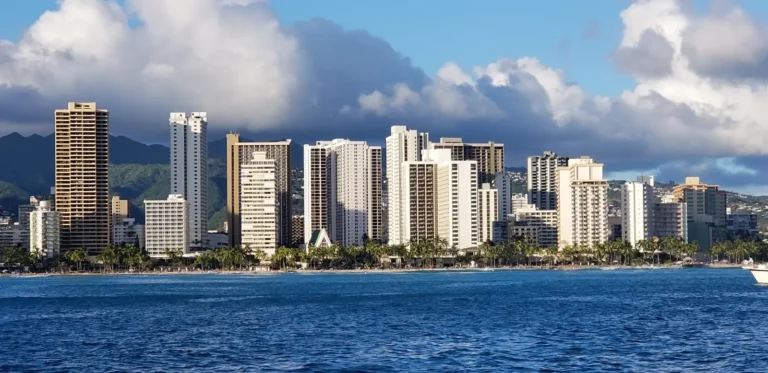
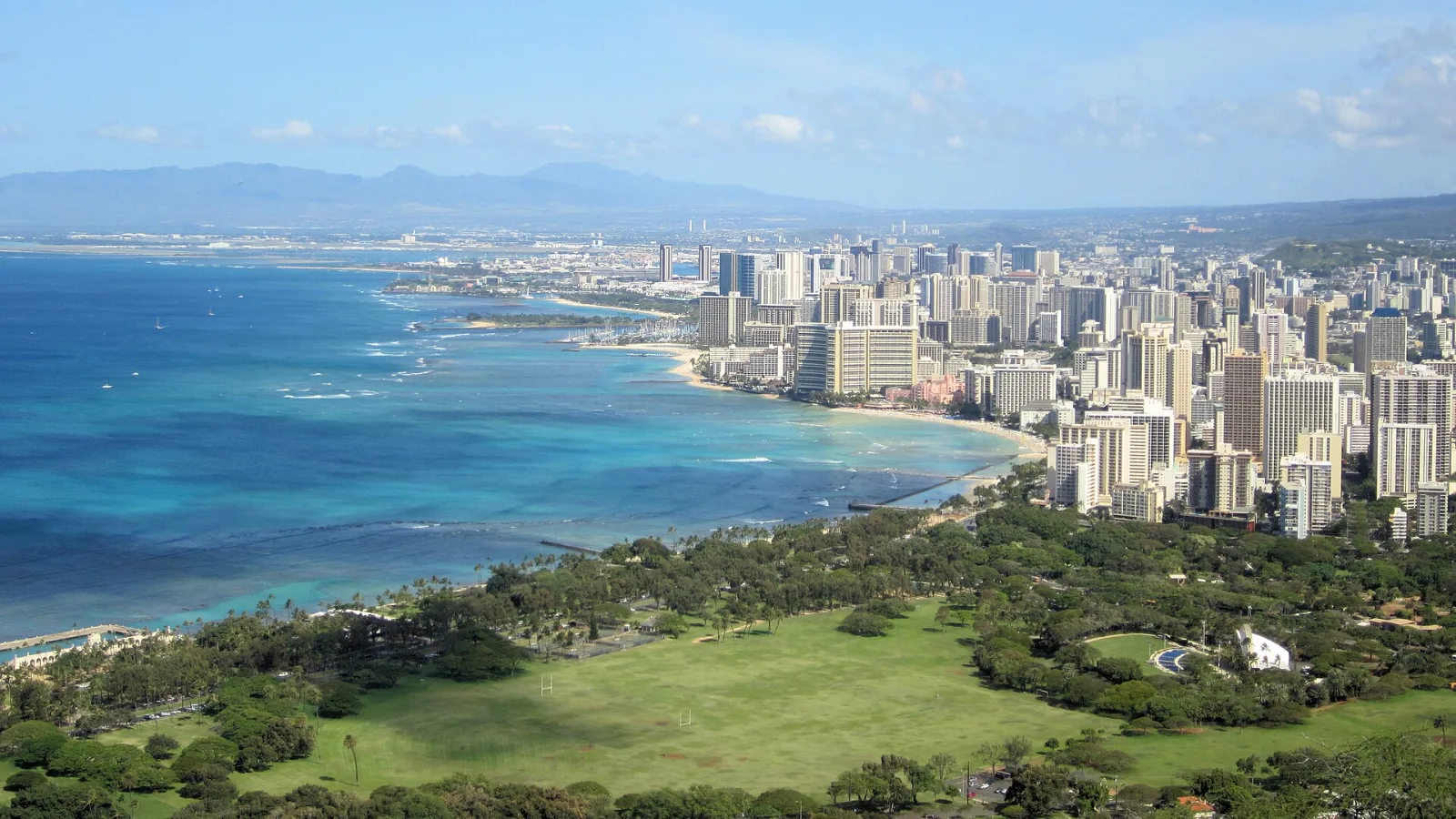
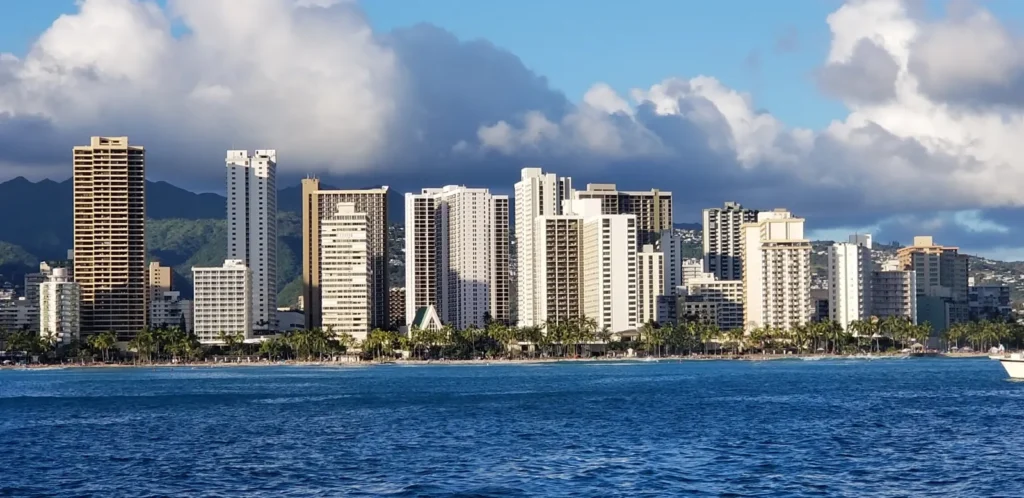
Waikīkī packs two miles of beach, the island’s densest restaurant scene and nearly every tour departure point into a walkable grid. Land in the morning and you can be in the water by lunch without renting anything. The beginner surf breaks off Waikīkī are why every surf school on the island teaches here, and the Waikīkī Beach guide walks the shoreline section by section so you can pick your stretch before you book.
The costs are real, though. Hotel parking commonly runs $40 or more a night, resort fees sit on top of the room rate at most full-service properties, and the strip is busy and built-up — nobody should book Waikīkī expecting seclusion. Within Waikīkī, the Diamond Head end is quieter and greener (near the park and the zoo), while the western end near the big resorts is the most crowded. If you are following our 5-day Oʻahu itinerary, Waikīkī is the base it assumes.
Ko Olina: the resort bubble, done well
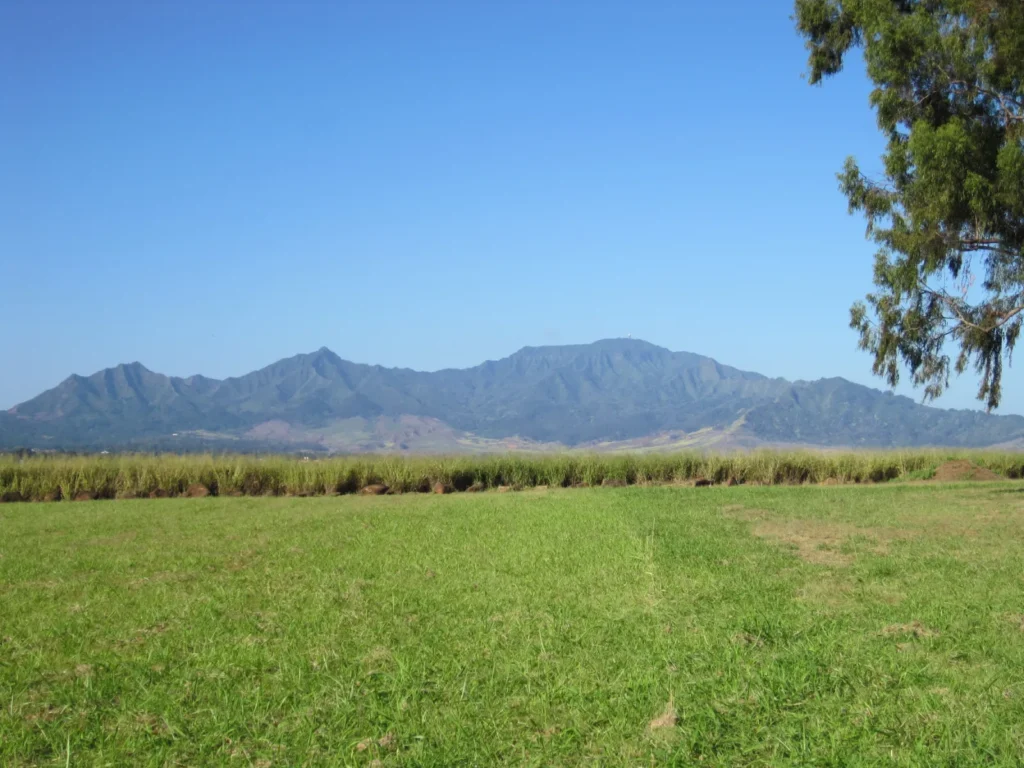
Ko Olina, on the dry west coast about 40 minutes from the airport, is a planned resort community built around four man-made lagoons. The lagoons are the whole argument: sheltered, sandy and calm when most of the island’s coastline is rough, which is why families with small children rate this area above everywhere else. Disney’s Aulani and the Four Seasons anchor the resort side, with condo-style resorts between them, wide walking paths along the shore and reliable sunsets.
What you give up is the island. Off-resort dining is a short list, the nearest real town is Kapolei a few minutes inland, and every sight in this guide — Pearl Harbor, Waikīkī, the North Shore — is a drive of 35 minutes to over an hour, with morning rush hour traffic heading into Honolulu. Ko Olina works best when the resort is the trip, with one or two planned excursions, rather than as a sightseeing base. Staying here pairs naturally with the west-side stops in our Oʻahu travel guide, including Kahe Point.
The North Shore: surf country, not a suburb
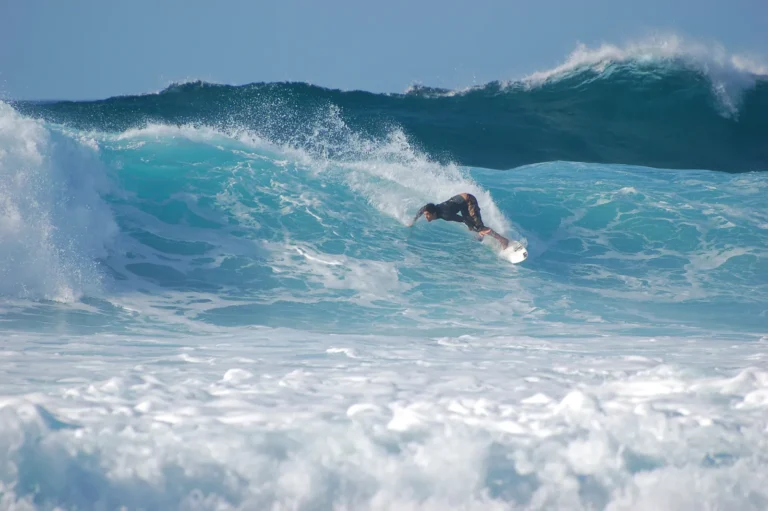
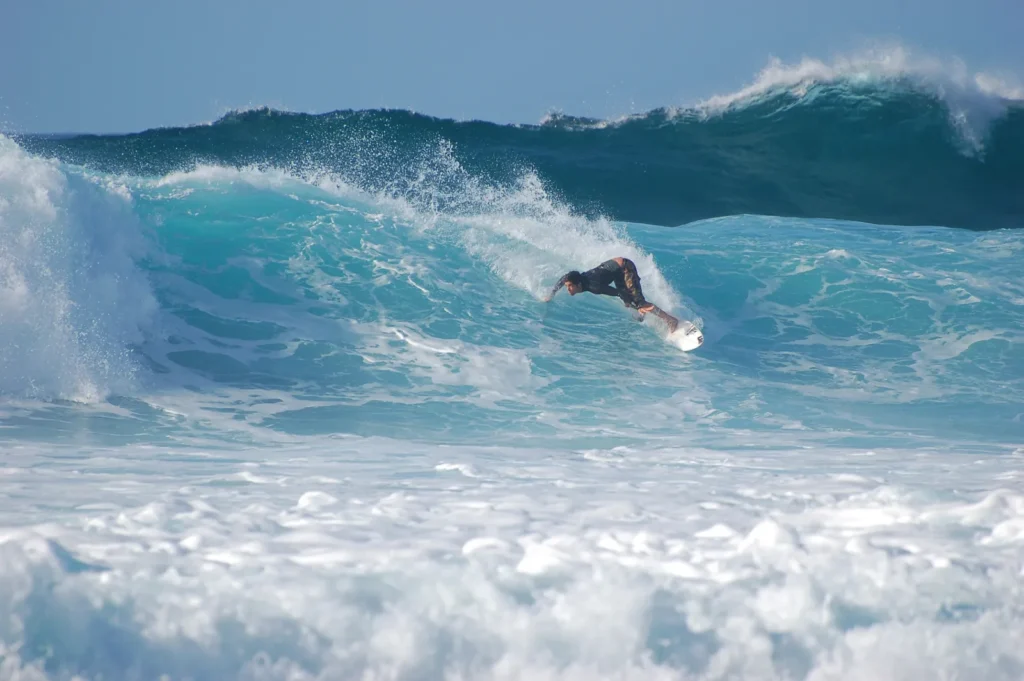
The North Shore is seven miles of famous coastline — Waimea Bay, the Banzai Pipeline, Sunset Beach — with Haleʻiwa town for food trucks, shave ice and surf shops. In summer it is gentle, green and uncrowded, and staying here feels like a different island from Waikīkī. From roughly November to February, the same coast produces some of the biggest surfable waves on earth, swimming narrows to a few protected spots, and winter weekends can gridlock the two-lane Kamehameha Highway.
Sleeping options are the catch. There is one major resort, at Turtle Bay on the northern tip, and beyond it a limited supply of legal vacation rentals — which brings up the rule every North Shore bargain-hunter needs to know.
Kahala: the quiet fourth option
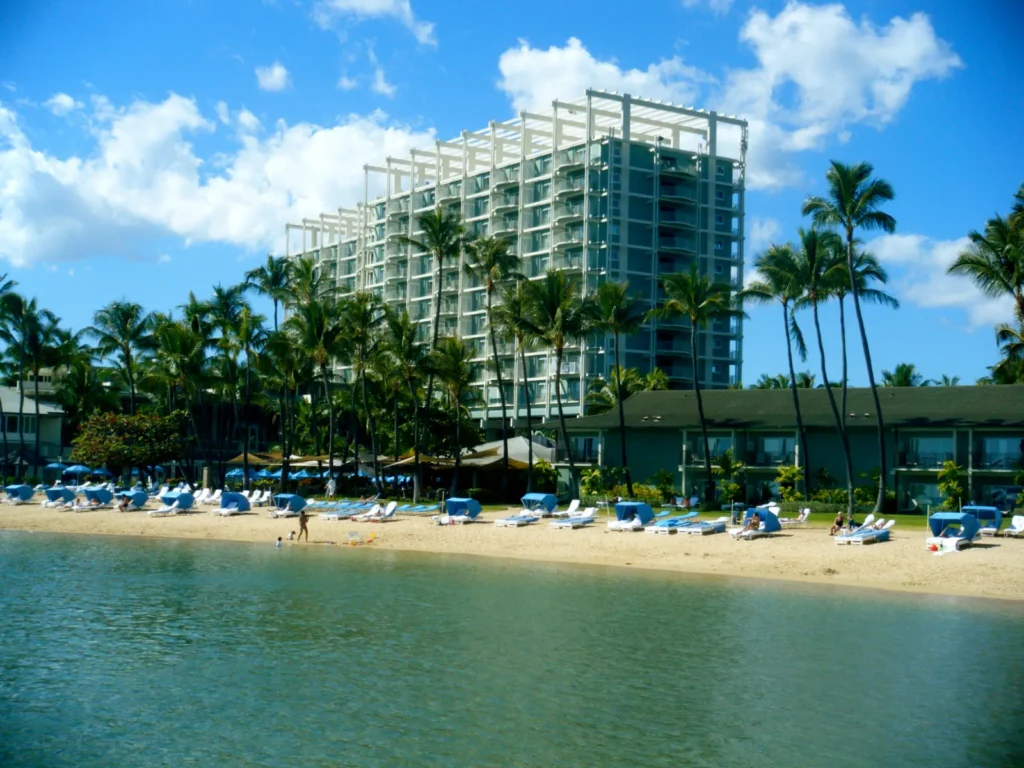
Ten minutes east of Waikīkī, past Diamond Head, Kahala is Honolulu’s most affluent residential neighbourhood and home to a single famous resort set on its own stretch of beach (our Waialae Beach Park guide covers the public shoreline next door). There is no strip, no nightlife and almost no other accommodation — which is exactly the appeal for travellers who want Waikīkī’s convenience without its density. You trade choice for calm: dining out means driving back into town or eating at the resort, and room rates sit firmly at the luxury end. For honeymooners and repeat visitors who have already done the Waikīkī scene, it is often the right answer; for a first trip on a budget, it is not.
The rule most guides skip: where rentals are legal
Honolulu regulates vacation rentals tightly to protect housing for residents. Under the City & County of Honolulu’s rules, renting a home for less than 30 consecutive days is only permitted in resort-zoned areas and a couple of specific apartment-zoned areas — in practice Waikīkī, Ko Olina and the Turtle Bay area — plus a small number of older homes with a grandfathered nonconforming use certificate (no new ones are issued). The city publishes an eligibility map and a list of legally registered properties, and enforcement is active.
So when a booking site offers you a week in a beach house in Kailua, Lanikai or mid-North Shore at a price that undercuts every hotel, the most likely explanation is that the rental is not legal. Guests are rarely the ones fined, but an enforcement shutdown can cancel your stay with little warning. Ask for the property’s registration or NUC number before you pay, and check it against the city’s map — the Department of Planning and Permitting’s short-term rental page (linked in the quick facts above) is the official source. The rules are still being litigated and adjusted, so check them again close to your trip.
What most guides get wrong
They compare room rates and stop there. The honest comparison includes resort fees and parking, which can add $75–$100 a night at a full-service resort. A “cheaper” hotel with $60 parking can cost more than the pricier one without a car — run the full trip in the Hawaiʻi trip budget calculator before you book.
They send first-timers to the North Shore in winter. In January the North Shore is a spectator sport. If your dream is swimming every day on a first trip in winter, that dream lives in Waikīkī or Ko Olina.
They treat Kailua as a hotel area. Kailua and Lanikai are wonderful — as day trips. There are no hotels there, and most short rentals are not legal; a handful of permitted bed-and-breakfasts are the exception, not the market.
They ignore split stays. On trips of a week or more, five nights in Waikīkī plus two or three at Ko Olina or Turtle Bay beats seven nights anywhere single — you get the sightseeing base and the wind-down without the daily driving.
Frequently asked questions
Where should a first-time visitor stay on Oʻahu?
Waikīkī. It is the only area that works without a car, has the widest choice at every price level, and puts the beach, dining and tour pickups within walking distance. Move to a quieter base on your second trip, when you know which trade-offs you actually care about.
Is Ko Olina worth it with kids?
Yes, if the kids are young. The four lagoons offer calm, protected swimming in conditions that close other beaches, and the resorts are built around families. The cost is isolation: budget for a rental car and treat Honolulu sightseeing as one or two planned day trips, not daily options.
Can I legally rent a house on the North Shore or in Kailua?
Only if the property is registered with the city or holds a grandfathered certificate — most houses in residential areas cannot legally be rented for under 30 days. Ask for the registration number, verify it on the City & County of Honolulu’s eligibility map, and be wary of any host who will not provide one.
Waikīkī or the North Shore in winter?
Waikīkī, unless watching big-wave surf is the point of your trip. Winter swells make most North Shore beaches unsafe for swimming from about November to February, while Waikīkī’s reef-sheltered water stays swimmable. Visit the North Shore as a day trip to watch the surf instead.
Keep planning
Decide your base, then build the days: the 5-day Oʻahu itinerary assumes Waikīkī and shows where Ko Olina or North Shore bases change the plan. Compare the island’s areas in the Oʻahu travel guide, price the whole stay in the budget calculator, and if you are still choosing an island, start with how the Hawaiian islands compare.