
 By Word Whimsy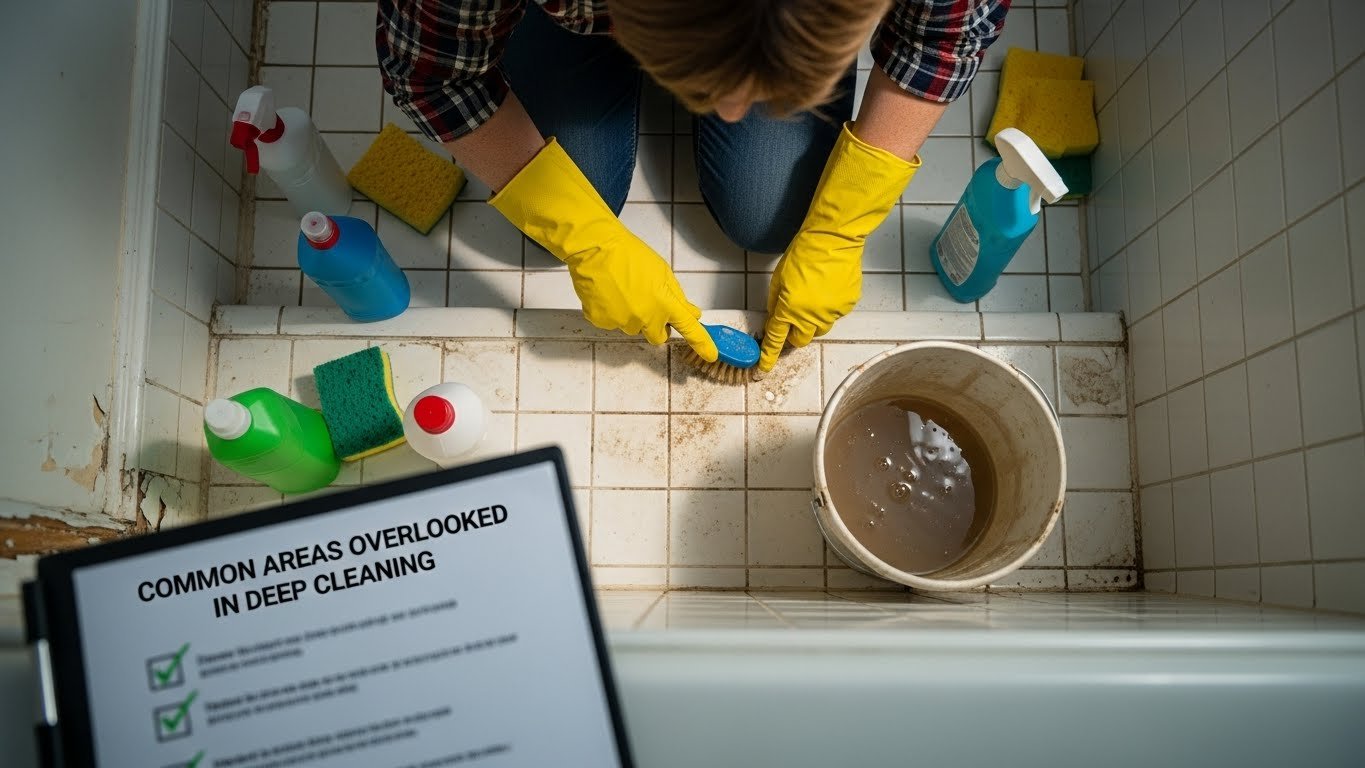
Regular cleaning plays an important role in maintaining a tidy and presentable home or commercial space. Tasks such as sweeping floors, wiping visible surfaces, taking out trash, and basic bathroom and kitchen cleaning help control everyday mess and clutter. However, regular cleaning routines often focus on what is immediately visible and frequently used, leaving many critical areas untouched for months or even years. These overlooked spaces gradually accumulate dust, bacteria, allergens, grease, and grime that can affect hygiene, air quality, and the overall condition of a property. This is where deep cleaning becomes essential, as it addresses hidden problem areas that routine cleaning simply does not reach.
Understanding which areas are commonly neglected and how professional deep cleaning resolves these issues can help property owners make informed decisions about maintaining a healthier and more comfortable environment.
Behind and Under Large Appliances
One of the most frequently overlooked areas during regular cleaning is the space behind and beneath large appliances such as refrigerators, ovens, washing machines, and dryers. These areas are difficult to access and are often ignored during weekly or biweekly cleaning routines. Over time, dust, food particles, grease, pet hair, and moisture collect in these hidden spaces, creating an ideal environment for bacteria, mold, and pests.
Deep cleaning addresses this issue by carefully moving appliances and thoroughly cleaning the floors, walls, and surrounding surfaces. Grease buildup behind stoves is removed, food residue under refrigerators is eliminated, and lint accumulation behind dryers is cleared. This not only improves cleanliness but also enhances appliance efficiency, reduces fire risks, and prevents unpleasant odors from spreading throughout the property.
Baseboards, Door Frames, and Trim
Baseboards, door frames, and trim are another set of areas that are often overlooked during regular cleaning. While they may not appear dirty at first glance, these surfaces collect dust, scuff marks, hair, and grime over time. In high-traffic areas, baseboards can also accumulate grease from hands and feet, particularly in kitchens, hallways, and entryways.
Deep cleaning focuses on restoring these details by thoroughly wiping, scrubbing, and sanitizing them. Built-up dirt is removed, discoloration is reduced, and the overall appearance of rooms becomes noticeably fresher. Clean baseboards and trim help elevate the look of a space, making rooms feel more polished and well-maintained.
Light Fixtures, Ceiling Fans, and Vents
Light fixtures, ceiling fans, and air vents are commonly forgotten because they are out of direct sight and require additional effort to clean. Dust accumulation on ceiling fans can circulate allergens throughout the room each time the fan is used, while dirty vents can impact indoor air quality and HVAC efficiency. Light fixtures may collect dust and insects, reducing brightness and cleanliness.
Deep cleaning addresses these high and hard-to-reach areas using proper tools and techniques. Ceiling fan blades are wiped clean, light fixtures are carefully cleaned, and vents are dusted or vacuumed to remove debris. This process improves airflow, enhances lighting, and contributes to a healthier indoor environment by reducing airborne dust and allergens.
Inside Cabinets, Drawers, and Closets
During regular cleaning, the focus is usually on exterior cabinet surfaces and visible countertops, while the interiors of cabinets, drawers, and closets are rarely addressed. Over time, crumbs, dust, spilled products, and general debris accumulate inside these storage areas. In kitchens and bathrooms, this buildup can lead to unpleasant odors and attract pests.
Deep cleaning includes emptying cabinets and drawers, cleaning interior surfaces, and sanitizing shelves before items are returned. Closets are also addressed, with dust removal from shelves and corners that are typically ignored. This level of cleaning helps maintain hygiene, improves organization, and creates a fresher storage environment throughout the home or workplace.
Upholstery, Carpets, and Rugs
Vacuuming is a standard part of regular cleaning, but it only removes surface-level dirt from carpets, rugs, and upholstery. Deep within fibers, dust mites, allergens, bacteria, and stains can remain trapped, contributing to odors and potential health issues. High-traffic areas are especially prone to this hidden buildup.
Deep cleaning uses specialized equipment and techniques to penetrate deep into fabrics and carpet fibers. Embedded dirt is extracted, stains are treated, and odors are neutralized. This process extends the life of flooring and furniture while significantly improving indoor air quality and overall cleanliness.
Bathroom Grout, Tile, and Hard-to-Reach Areas
Bathrooms may appear clean after routine wiping and disinfecting, but areas such as grout lines, tile edges, shower tracks, and behind toilets are often neglected. Moisture in bathrooms encourages mold, mildew, and bacteria growth, particularly in areas that are not regularly scrubbed.
Deep cleaning targets these problem zones by thoroughly scrubbing grout, sanitizing tiles, and addressing buildup in corners and tight spaces. Mold and mildew are treated effectively, restoring the appearance of bathroom surfaces and reducing health risks associated with damp environments. The result is a bathroom that is not only visibly clean but also hygienically sound.
Window Tracks, Blinds, and Curtains
While windows themselves may be wiped occasionally, tracks, blinds, and curtains are frequently overlooked. Window tracks collect dust, dead insects, and debris, while blinds and curtains trap allergens and odors over time. These neglected areas can negatively impact air quality and detract from the cleanliness of a room.
Deep cleaning includes detailed attention to window tracks, with thorough vacuuming and wiping to remove built-up grime. Blinds are dusted or washed, and curtains may be cleaned according to their fabric type. This comprehensive approach enhances both the appearance and freshness of interior spaces.
High-Touch and Forgotten Surfaces
Certain surfaces are touched frequently but rarely cleaned during routine maintenance. These include light switches, door handles, remote controls, stair railings, and appliance handles. Because they are constantly handled, these areas can harbor germs and bacteria that spread quickly throughout a home or office.
Deep cleaning ensures these high-touch surfaces are disinfected properly. By sanitizing these areas, deep cleaning helps reduce the spread of illness and promotes a healthier environment, particularly in shared or high-traffic spaces.
How Deep Cleaning Makes a Lasting Difference
Deep cleaning goes beyond surface-level maintenance by addressing the buildup that regular cleaning cannot reach. It restores hygiene, improves air quality, reduces allergens, and enhances the overall appearance and longevity of a property. By targeting commonly overlooked areas, deep cleaning creates a cleaner, healthier, and more comfortable environment for occupants.
Whether for residential or commercial spaces, incorporating periodic deep cleaning into a maintenance plan helps prevent long-term damage, supports health and safety standards, and delivers a level of cleanliness that routine cleaning alone cannot achieve. Over time, this proactive approach saves effort, protects investments, and ensures that no hidden area is left neglected.
Conclusion
Regular cleaning is essential for day-to-day upkeep, but it is not designed to address the hidden buildup that develops over time in less visible areas. Spaces behind appliances, inside cabinets, along baseboards, within vents, and deep within carpets and upholstery often remain untouched during routine cleaning, allowing dust, bacteria, allergens, and grime to accumulate unnoticed. These overlooked areas can affect not only the appearance of a property but also its hygiene, air quality, and long-term condition.
Deep cleaning fills this critical gap by providing a comprehensive, detail-focused approach that targets problem areas regular cleaning cannot reach. By thoroughly addressing neglected surfaces and hard-to-access spaces, deep cleaning helps create a healthier, fresher, and more inviting environment. Whether for a home, office, or commercial facility, investing in periodic deep cleaning ensures that cleanliness is maintained at a higher standard, protecting both the well-being of occupants and the value of the property over time.