
 By Word Whimsy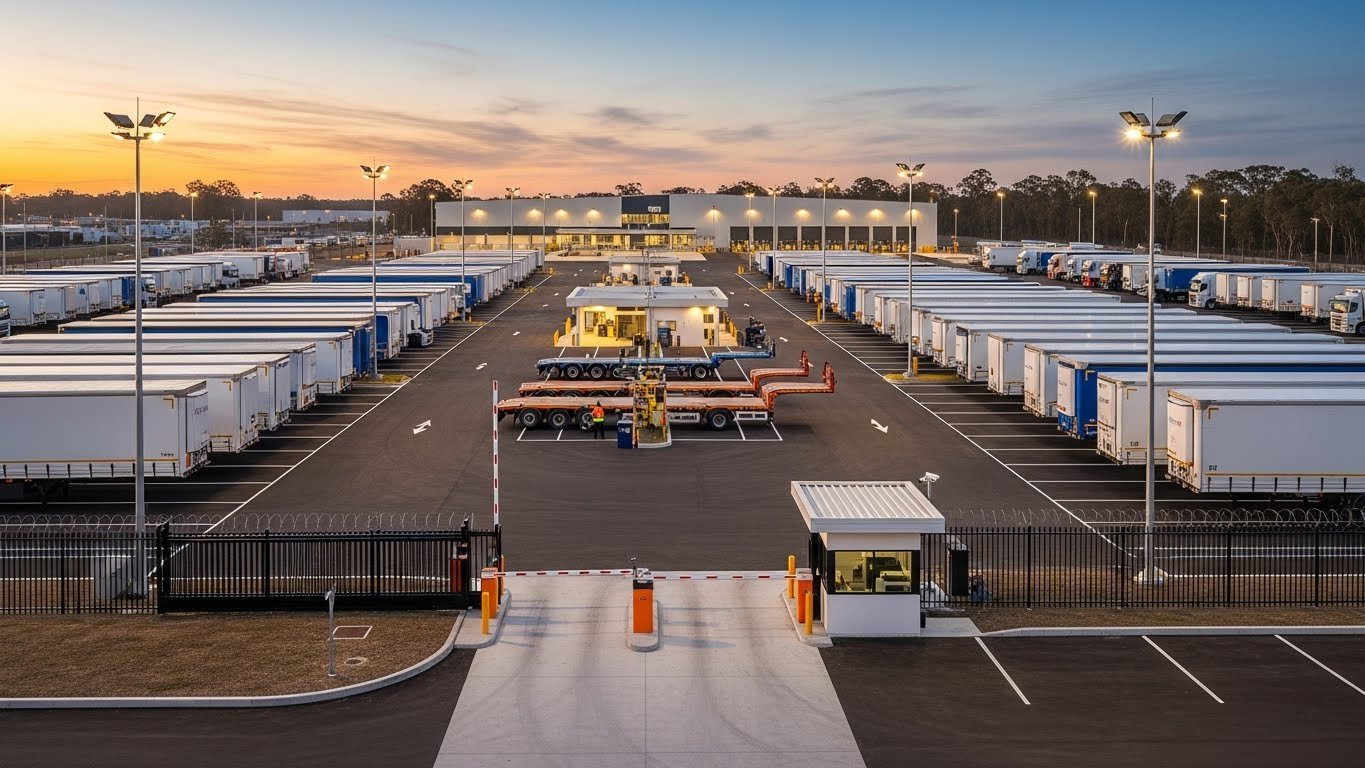
ATrailer storage is a critical component of effective transportation and logistics operations. Trailers represent a significant investment for businesses, and how they are stored when not in use directly affects their condition, lifespan, and overall performance. Proper storage is not simply about finding an empty space to park; it is about creating a structured, secure, and organized system that protects assets while supporting smooth daily operations. As the logistics industry continues to grow and evolve, the importance of reliable trailer storage solutions becomes increasingly clear.
Understanding the Importance of Trailer Storage
Trailers are designed to carry heavy loads over long distances, but even the most durable equipment can deteriorate if left in unmanaged environments. When trailers are parked in unsecured or poorly maintained areas, they are exposed to risks such as theft, vandalism, weather damage, and unauthorized use. Over time, these issues can lead to higher repair costs and unexpected downtime that disrupts business operations.
Proper trailer storage provides a controlled environment where trailers are protected from these risks. Organized storage facilities offer designated spaces, clear access routes, and structured layouts that reduce confusion and damage. This level of organization helps businesses maintain better control over their equipment and ensures trailers are always ready for use when needed.
Enhancing Security Through Organized Storage
Security is one of the most significant benefits of professional trailer storage. Trailers often contain valuable components and, in some cases, residual cargo that can attract theft. Secure storage solutions typically include perimeter fencing, controlled entry points, adequate lighting, and monitoring systems designed to deter unauthorized access.
These security measures reduce the likelihood of theft or tampering, which can result in costly delays and loss of revenue. For fleet owners and logistics managers, knowing that trailers are stored in a secure environment provides peace of mind and allows them to focus on core business activities. Strong security also protects a company’s reputation by minimizing service disruptions caused by preventable incidents.
Protection Against Environmental Damage
Environmental exposure is a major concern when trailers are left unattended for extended periods. Rain, moisture, extreme temperatures, and prolonged sunlight can cause rust, tire degradation, and damage to structural components. Over time, this exposure can significantly reduce the lifespan of trailers and increase maintenance costs.
Well-planned storage solutions help minimize environmental impact. Whether through covered storage options or well-maintained open areas with proper drainage, these environments protect trailers from harsh conditions. By reducing exposure to damaging elements, businesses can maintain trailers in better condition and avoid frequent repairs, ultimately extending the useful life of their equipment.
Improving Operational Efficiency
Efficient trailer storage plays a key role in streamlining daily operations. When trailers are stored in organized and clearly marked spaces, drivers and managers can locate them quickly, reducing delays during dispatch. This level of organization improves scheduling accuracy and ensures that equipment is deployed on time.
Centralized storage also supports routine inspections and maintenance. When trailers are parked in one designated area, maintenance teams can conduct regular checks more efficiently. Identifying minor issues early helps prevent breakdowns during operation and reduces the risk of costly emergency repairs. Over time, this proactive approach contributes to smoother workflows and increased productivity.
Supporting Compliance and Professional Standards
Transportation and logistics businesses often operate under strict regulations related to equipment safety and parking practices. Improper storage can result in fines, complaints, or legal complications that affect operations and profitability. Using a dedicated storage solution helps ensure compliance with applicable rules and reduces the risk of penalties.
In addition to regulatory compliance, proper trailer storage reflects professionalism. Clients and partners are more likely to trust businesses that demonstrate responsible asset management. Organized storage facilities signal a commitment to quality, safety, and reliability, which are essential traits in competitive markets.
Key Features of Effective Trailer Storage Solutions
Choosing the right storage solution involves evaluating several important features. Adequate space is essential, as trailers require room for safe maneuvering and parking. Facilities designed specifically for trailers take into account length, turning radius, and weight considerations, reducing the risk of accidental damage.
Security features should align with the value of the equipment being stored. Controlled access, lighting, and monitoring systems add layers of protection that go beyond basic parking. Flexible access hours are also important, allowing businesses to retrieve or park trailers according to operational needs without unnecessary restrictions.
Cost Control and Long-Term Savings
Although professional trailer storage involves an ongoing expense, it often results in significant long-term savings. Preventing damage, reducing theft risks, and supporting regular maintenance all contribute to lower overall costs. Businesses that rely on informal or unsecured parking arrangements may save money initially but often face higher expenses due to repairs, downtime, or loss.
Predictable storage costs also simplify budgeting. Instead of dealing with unexpected financial setbacks, businesses can plan expenses more accurately and allocate resources more effectively. This financial stability supports better decision-making and enables companies to invest confidently in growth opportunities.
Flexibility to Meet Changing Business Needs
The transportation industry is dynamic, with demand often fluctuating due to seasonal changes, new contracts, or fleet expansion. Flexible storage solutions allow businesses to adjust their storage capacity as needs change. This adaptability is especially valuable for growing companies that require scalable options.
Having access to storage solutions that can accommodate changes without major disruptions ensures continuity and reduces logistical challenges. Over time, this flexibility becomes a strategic advantage, allowing businesses to respond quickly to market demands and maintain consistent service levels.
Environmental Responsibility and Sustainability
Responsible trailer storage practices also contribute to environmental protection. Organized facilities reduce the risk of fluid leaks and contamination, supporting environmental standards. Proper layouts and maintenance routines help minimize environmental impact while maintaining safe and clean storage areas.
By prioritizing sustainable storage practices, businesses demonstrate awareness of their broader impact. This approach aligns with modern expectations around environmental responsibility and enhances brand image among clients, partners, and the community.
Strategic Planning for Long-Term Success
Effective trailer storage requires proactive planning. Waiting until space becomes an urgent issue often leads to rushed decisions that may not align with long-term goals. Evaluating storage needs early allows businesses to choose solutions that support growth, maintenance schedules, and operational efficiency.
A well-thought-out storage strategy considers current fleet size, future expansion, security requirements, and workflow integration. When storage is treated as an integral part of operations rather than an afterthought, it strengthens overall performance and reduces unnecessary stress.
The Role of Trailer Storage in Asset Protection
At the core of successful fleet management is asset protection.Reliable trailer storage ensures equipment remains safe, accessible, and well maintained when not in use. This structured approach minimizes risks while supporting smoother daily operations and better long-term outcomes.Beyond physical protection, organized storage reflects a commitment to professionalism and responsibility. It demonstrates that a business values its assets and is prepared to manage them effectively, even during periods of inactivity.
Building a Stronger Future with Smart Storage Decisions
As logistics and transportation demands continue to evolve, businesses must adopt smarter strategies to remain competitive.Investing in dependable trailer storage solutions is a critical step toward achieving operational stability and sustainable growth.With proper storage in place, fleet owners can focus on delivering reliable service without worrying about avoidable risks.
In the long run, thoughtful storage planning leads to improved equipment performance, reduced costs, and enhanced credibility.By recognizing the importance of trailer storage and making informed decisions, businesses can build a strong foundation for future success while maintaining control over their valuable assets.
 Saman Zahra