
 By Word Whimsy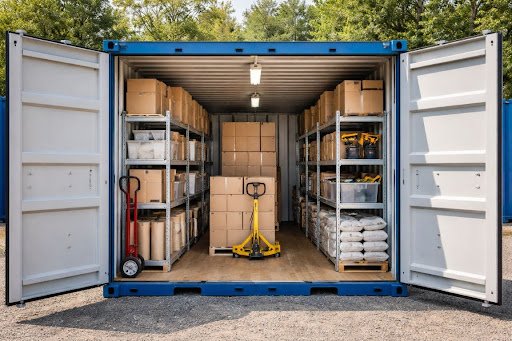
If you run a small business, inventory can either make you money or create stress. When your products are organized, protected, and easy to access, your business runs smoothly. When they are not, you lose time, damage goods, and frustrate customers.
Many small business owners start out storing inventory in a spare bedroom, garage, or small office.That works at first. But as your business grows, storage quickly becomes a serious challenge. You may need more space, better protection from weather, improved organization, or a more affordable long-term solution.
The good news is that there are practical and affordable ways to store inventory without renting a huge warehouse. In this guide, you will learn how to think about inventory storage, what options are available, and how to choose the best solution for your business.
Why Proper Inventory Storage Matters
Inventory is cash sitting on a shelf. If it gets damaged, lost, or disorganized, your profit disappears. Good storage protects your products and helps you operate more efficiently.
When your inventory is stored properly, you reduce waste and shrinkage. You can find items quickly. You can fulfill orders faster. You avoid overordering because you know exactly what you have in stock. You also create a safer environment for yourself and your team.
Poor storage leads to broken items, moisture damage, lost SKUs, and wasted time searching for products. In many cases, small business owners underestimate how much poor storage is costing them.
Start by Understanding Your Inventory
Before choosing a storage solution, you need to understand what you are storing. Not all inventory is the same.
Are your products fragile? Are they heavy? Do they need to stay dry? Do they need temperature control? Are they high value items that require extra security?
For example, clothing and packaged goods mainly need a clean, dry environment. Tools and equipment may require stronger shelving. Food products may need climate control. Electronics must be protected from moisture and extreme temperatures.
You should also think about volume. How many pallets or boxes do you carry at peak season? Many businesses underestimate seasonal spikes. Plan for your busiest months, not your slowest ones.
When you clearly understand your inventory, it becomes much easier to choose the right storage method.
Storing Inventory at Home
Many entrepreneurs begin by storing products at home. This keeps costs low in the early stages. A garage, basement, or spare room can work for small quantities.
However, home storage has limits. You may run out of space quickly. It can create clutter and stress in your living environment. Homeowners associations sometimes restrict business storage. Security may also be a concern.
If you choose to store inventory at home, focus on organization. Use sturdy shelving. Keep products off the ground. Label clearly. Create a simple tracking system. Make sure the area stays dry and well ventilated.
As your business grows, you will likely need something larger and more professional.
Renting Commercial Storage Units
Self storage facilities are a popular option for small businesses. They are flexible and require no long-term commitment. Many offer month-to-month leases, security gates, and camera systems.
A unit allows you to separate business inventory from your home life. You can upgrade to a larger unit as your inventory grows.
If you choose a commercial storage facility, pay attention to access hours. Some facilities close at night, which may not work if you ship orders early in the morning. Also consider location. A unit close to your home or office saves time and fuel.
Climate controlled units are important if you store items sensitive to heat or moisture. Always ask about insurance and security features before signing a lease.
Using Shipping Containers for Inventory Storage
Shipping containers have become one of the most practical and cost-effective inventory storage solutions for small business owners.
These steel containers are designed to withstand harsh weather and heavy use. They are secure, durable, and spacious. Standard sizes like 20 foot and 40 foot containers offer plenty of room for pallets, shelving, and bulk inventory.
Many business owners choose to buy a shipping container and place it on their property. This gives you direct access to your inventory at any time. It eliminates monthly rent payments and can be more affordable over several years compared to renting warehouse space.
Owning a container also provides flexibility. You can modify it with shelving, lighting, or even insulation if needed. Some businesses install roll-up doors or additional man doors for easier access.
Security is another major advantage. Shipping containers are built with heavy steel doors and lock boxes. When properly secured, they offer strong protection against theft.
Renting a Storage Container
If you are not ready to purchase, a storage container rental may be a better fit. This option allows you to use a container without the upfront investment.
Rental containers are typically delivered directly to your location. You keep the container on-site for as long as you need it. This makes them ideal for seasonal businesses or companies experiencing temporary growth.
For example, an ecommerce business preparing for the holiday rush may need extra space for a few months. A rental container solves that problem quickly.
Renting also works well for construction companies, landscaping businesses, and event vendors who need secure storage near job sites.
When renting, ask about delivery fees, minimum rental periods, and maintenance policies. Make sure the ground where you place the container is level and stable.
Considering a Small Warehouse Space
As your business grows, you may outgrow storage units or containers. At that point, leasing a small warehouse might make sense.
Warehouse space gives you room to expand operations. You can create designated areas for receiving, storing, packing, and shipping. It also makes hiring employees easier since you have a centralized workspace.
However, warehouse leases are usually longer term and more expensive. You will also be responsible for utilities, insurance, and sometimes maintenance.
Before signing a warehouse lease, carefully review your financial projections. Make sure your revenue can support the added cost.
Organizing Your Inventory Efficiently
No matter where you store inventory, organization is critical. A well-organized space increases productivity and reduces mistakes.
Use sturdy shelving to maximize vertical space. Keep products labeled clearly. Separate fast-moving items from slow-moving stock. Place your best sellers within easy reach.
Create a simple inventory tracking system. This could be software integrated with your ecommerce platform or a spreadsheet if you are just starting out. The key is consistency. Update your inventory counts regularly.
Consider implementing a first-in, first-out system, especially if you sell products with expiration dates. This prevents old inventory from sitting too long.
Planning for Growth
One of the biggest mistakes small business owners make is choosing storage that only fits their current needs. Always think ahead.
If your marketing efforts succeed and sales double, will you have room for more inventory? Will your storage system still be organized? Can you access products quickly during peak demand?
Shipping containers offer scalability. You can add another unit as your business expands. Storage facilities allow you to upgrade to larger units. Warehouses provide room to grow into more advanced operations.
The key is flexibility. Choose a solution that supports your growth rather than limiting it.
Balancing Cost and Convenience
Storage decisions come down to cost, convenience, and control.
Home storage is cheap but limited. Commercial storage units are flexible but involve monthly rent. Shipping containers offer durability and ownership benefits. Warehouses provide expansion opportunities but at higher cost.
Calculate long-term expenses, not just short-term payments. Sometimes owning your storage solution saves money over time.
Also consider time. If driving to a storage facility wastes hours each week, that is a hidden cost. On-site storage often improves efficiency and saves fuel and labor.
Optimize Your Storage Today
Storing inventory as a small business owner does not have to be complicated. The right solution depends on your products, your space, and your growth plans.
Start by understanding what you are storing and how much space you truly need. Protect your inventory from damage and theft. Stay organized so you can fulfill orders quickly and accurately.
When your inventory is organized and secure, you gain confidence. You operate more efficiently. And most importantly, you create a strong foundation for your business to grow.
 Saman Zahra