
 By Word Whimsy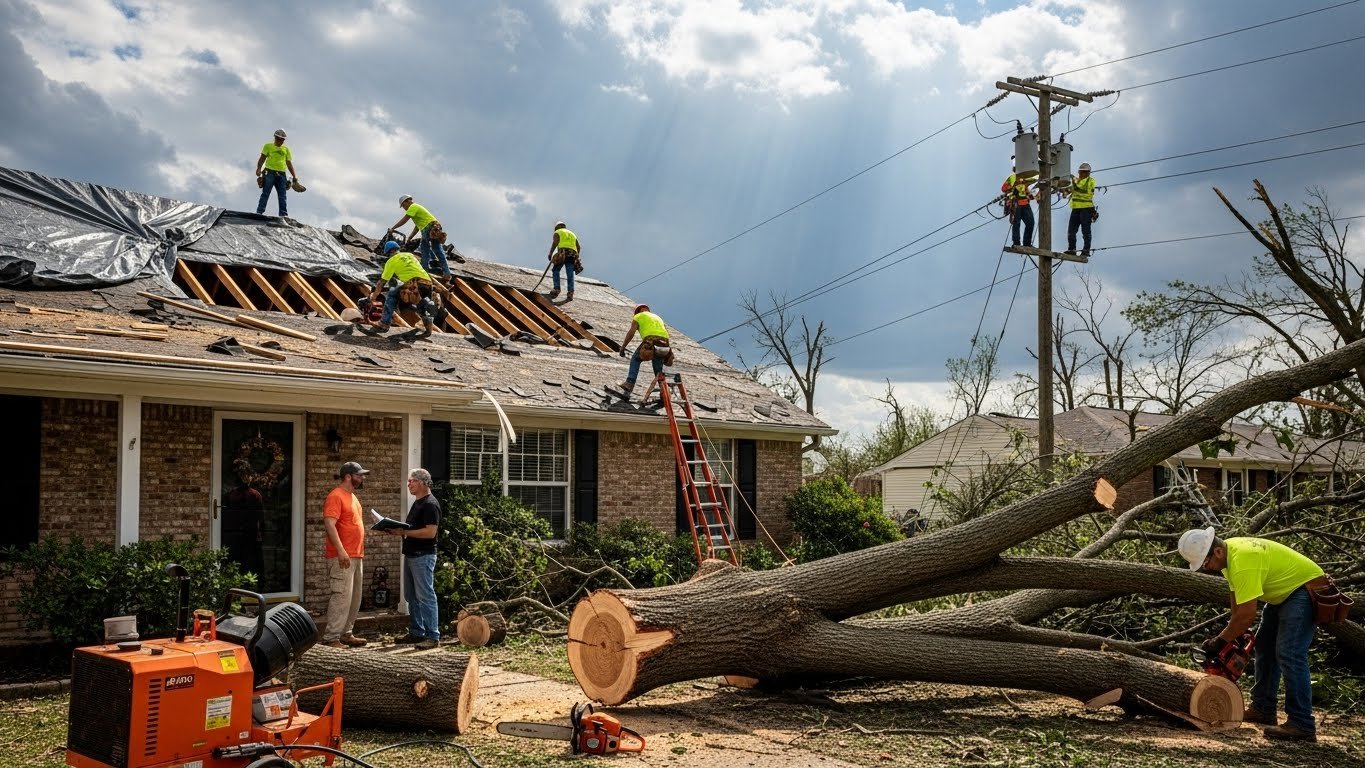
Storms are natural phenomena that can bring tremendous damage to communities, homes, and businesses within a short period. From intense winds and heavy rainfall to lightning and hail, these events can compromise structural integrity, lead to water intrusion, and create long-term damage if not addressed promptly. In such cases, storm restoration becomes a critical process that ensures properties are repaired, safe, and habitable once again. Proper storm restoration is not just about fixing visible damage; it involves assessing hidden risks, preventing secondary issues, and implementing solutions that safeguard properties against future storms.
The Importance of Initial Assessment in Storm Restoration
Understanding the complexities of storm damage is the first step in effective storm restoration. When a severe storm hits, the impact on a property can vary depending on the construction type, materials used, and age of the building. Common issues include roof damage, broken windows, compromised siding, water intrusion, and electrical hazards. Water infiltration, in particular, can create serious problems if left untreated, leading to mold growth, wood rot, and structural deterioration. Immediate intervention is therefore essential to prevent escalating repair costs and long-term health risks.
One of the most crucial aspects of storm restoration is the initial assessment. Experienced restoration professionals begin with a detailed inspection to identify both visible and hidden damage. This assessment typically includes examining the roof, walls, foundation, electrical systems, plumbing, and HVAC units. Using specialized tools, such as moisture meters and thermal imaging cameras, restoration experts can detect water penetration and structural weaknesses that may not be immediately apparent. This step is fundamental to developing an effective restoration plan, ensuring that all areas of concern are addressed and that the property is fully restored to its pre-storm condition.
Mitigation and Cleanup After Storm Damage
Once the assessment is complete, the restoration process moves into mitigation and cleanup. Mitigation involves taking immediate steps to prevent further damage. For example, tarping damaged roofs, boarding up broken windows, and pumping out accumulated water are common measures. This phase is critical because delays can lead to more severe problems, such as mold proliferation, foundation instability, and electrical hazards. Professional restoration teams are trained to act quickly and efficiently during this phase, providing property owners with peace of mind and minimizing financial losses.
Cleanup is another vital component of storm restoration. Debris removal, water extraction, and drying processes are conducted meticulously to restore the property to a safe and functional state. Water damage requires prompt attention, as standing water can cause irreversible damage to floors, walls, and personal belongings. Restoration professionals often use industrial-grade dehumidifiers, air movers, and disinfectants to ensure that affected areas are thoroughly dried and sanitized. This careful approach not only restores the property but also reduces the risk of future health issues, such as mold-related allergies and respiratory problems.
Structural Repairs and Reconstruction
Structural repairs form the next stage of storm restoration. Depending on the severity of the storm, this can range from minor repairs, such as fixing broken windows and replacing damaged shingles, to major reconstruction, including rebuilding entire sections of a home or commercial building. During this stage, it is essential to use high-quality materials and adhere to local building codes and safety standards. Proper documentation and communication with insurance companies are also critical, as this ensures that property owners receive the necessary support and compensation to cover restoration costs.
Preventive Measures for Future Storms
Storm restoration also involves addressing long-term preventive measures. While restoring a property to its original condition is important, it is equally essential to strengthen it against future storms. This may include reinforcing roofing structures, installing impact-resistant windows, upgrading drainage systems, and implementing weatherproofing solutions. By taking proactive steps, property owners can minimize the impact of future storms and protect their investment. These measures not only enhance safety but also increase the overall resilience of a property against natural disasters.
Personal Property and Interior Spaces
In addition to structural repairs, storm restoration often extends to the restoration of personal belongings and interior spaces. Water, wind, and debris can severely damage furniture, electronics, and sentimental items. Specialized restoration teams use techniques such as freeze-drying, ultrasonic cleaning, and deodorization to salvage and restore personal property whenever possible. This comprehensive approach ensures that property owners recover not just their buildings but also the possessions that hold personal and financial value.
Insurance Assistance in Storm Restoration
Insurance claims play a significant role in the storm restoration process. Navigating insurance paperwork, documenting damage, and understanding policy coverage can be challenging for property owners. Many restoration companies provide assistance in this regard, helping clients gather necessary evidence, communicate with insurance adjusters, and streamline the claims process. This support ensures that restoration efforts are properly funded and that property owners are not left bearing the full cost of repairs.
Technology and Innovation in Storm Restoration
Technology and innovation have also transformed the field of storm restoration. Advanced tools, including moisture detection devices, 3D modeling for structural assessments, and mobile applications for project tracking, have enhanced the efficiency and accuracy of restoration services. Additionally, sustainable practices, such as using eco-friendly materials and energy-efficient solutions, are increasingly integrated into restoration projects. These advancements not only improve the quality of restoration work but also promote environmental responsibility.
Public Awareness and Preparedness
Public awareness and education are essential components of effective storm restoration in Rockland County, NY. Property owners who understand the risks associated with storms and the importance of timely restoration are better prepared to protect their investments. Educational initiatives may include information on preventive measures, emergency preparedness, and post-storm response strategies. By promoting awareness, communities can reduce the overall impact of storms and enhance resilience against future natural disasters.
Conclusion: The Critical Role of Storm Restoration
In conclusion, storm restoration is a multifaceted process that requires careful planning, expertise, and timely intervention. From initial damage assessment and mitigation to structural repairs, personal property restoration, and preventive measures, every stage is critical to ensuring the safety, functionality, and longevity of affected properties. Professional restoration teams play a vital role in guiding property owners through this complex process, minimizing risks, and ensuring effective recovery. As storms continue to pose significant challenges, investing in comprehensive storm restoration is not only a practical necessity but also a proactive approach to safeguarding homes, businesses, and communities.
By prioritizing storm restoration, property owners can restore their spaces to optimal condition, prevent long-term damage, and enhance resilience against future weather events. This holistic approach ensures that both immediate and long-term needs are met, providing a safe, secure, and restored environment for years to come. The importance of acting promptly and strategically cannot be overstated, as proper restoration safeguards both the physical structure and the well-being of those who inhabit it.