
 By Word Whimsy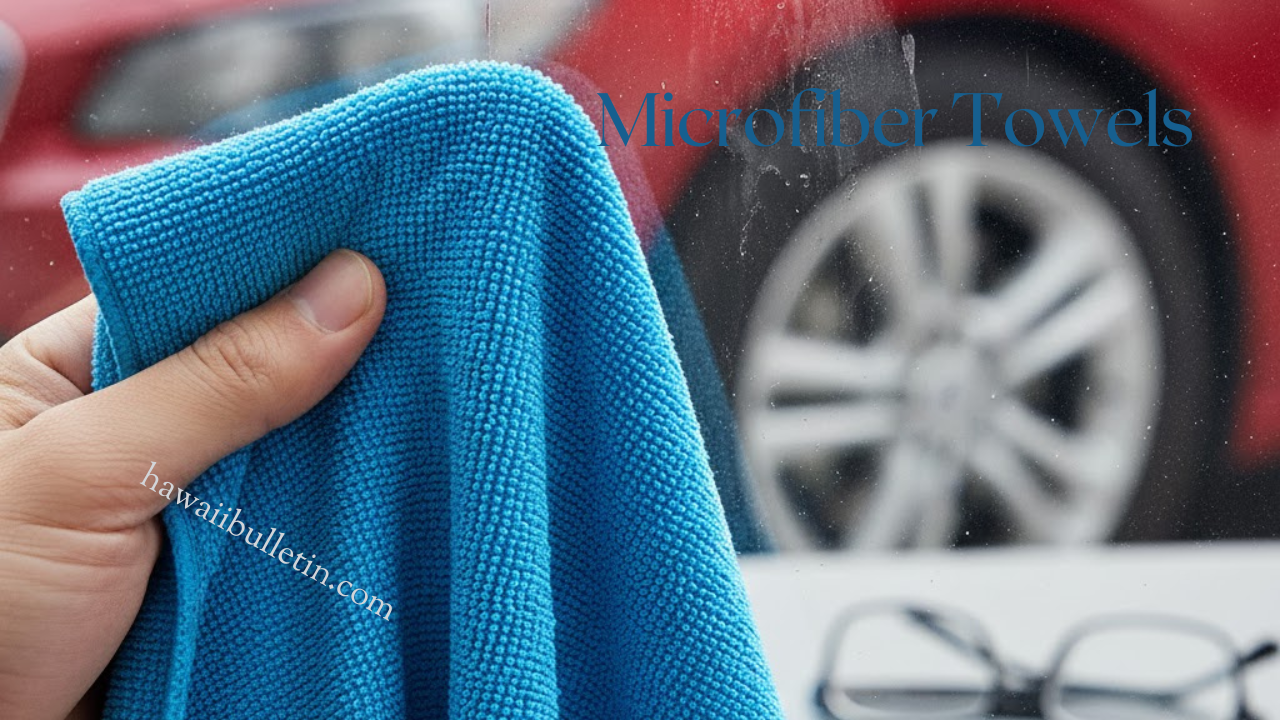
Why Your Current Towels Are Letting You Down (And What to Do About It)
Have you ever dried your car only to find a trail of lint clinging stubbornly to the paint? Or perhaps you’ve struggled with a cleaning cloth that just smears grease around your kitchen counter instead of lifting it. If so, you’ve experienced the limitations of traditional cotton towels and paper products. The solution to these everyday frustrations lies in a remarkable modern textile: the microfiber towel. These aren’t your average rags. Scientifically engineered for superior performance, microfiber towels for cleaning, drying, and polishing have revolutionized tasks from detailing your vehicle to washing your face. This comprehensive guide will unpack everything you need to know about microfiber—from the technology in its threads to selecting the perfect weave for your project—helping you work smarter, not harder.
What Exactly Are Microfiber Towels? The Science in the Threads
At its core, microfiber is a synthetic fabric, most commonly made from a blend of polyester and polyamide (a type of nylon). The “micro” in its name is the key differentiator. A single strand of microfiber is finer than a single strand of silk—in fact, it’s about 1/100th the diameter of a human hair. This ultra-fine fiber is then split during manufacturing through a unique process, creating microscopic, wedge-shaped channels.
This unique structure is what grants microfiber cloths their superpowers:
-
Exceptional Absorbency: The vast surface area created by millions of microfibers can hold up to seven times its weight in liquid, pulling moisture away from surfaces dramatically faster than cotton.
-
Superior Trapping Ability: Those wedge-shaped channels act like tiny claws, hooking onto and trapping dust, dirt, oil, and bacteria inside the cloth, rather than just pushing them around.
-
Lint-Free Performance: High-quality microfiber towels release virtually no fibers, making them ideal for cleaning delicate surfaces like glasses, camera lenses, and high-gloss paint where lint is the enemy.
-
Softness Without Scratchiness: When made well, the fibers are incredibly soft, allowing you to clean sensitive surfaces (like a car’s clear coat or eyeglass lenses) without fear of creating micro-scratches.
The Unbeatable Benefits: Why Make the Switch?
Switching to a set of premium microfiber towels isn’t just a minor upgrade; it’s a transformative step for your cleaning and drying routines. Here’s a breakdown of the tangible benefits you’ll experience.
Unmatched Cleaning Efficiency and Effectiveness
Thanks to their electrostatic charge and split-fiber design, microfiber towels attract and capture dust and grime on a microscopic level. This means you can often clean surfaces effectively with just water, reducing or eliminating the need for harsh chemical cleaners. For tasks like wiping down kitchen counters or bathroom mirrors, a damp microfiber cloth can outperform a cotton rag soaked in spray cleaner.
Superior Absorbency for Faster Drying
Whether you’re drying your car after a wash, your body after a shower, or your hair, absorbent microfiber towels excel. Their thirsty nature means they soak up moisture rapidly, cutting down drying time and effort. This is particularly valuable for automotive enthusiasts seeking a spot-free finish or gym-goers looking for a quick-dry solution.
Durability and Long-Term Value
While the initial cost per towel might be higher than a bag of cheap cotton rags, microfiber is incredibly durable. A well-cared-for high GSM microfiber towel can withstand hundreds of washes while maintaining its performance. This longevity makes them a cost-effective and eco-friendly choice over time, as you replace disposable paper towels and worn-out cotton cloths far less frequently.
Versatility for Virtually Any Task
The range of available weaves, weights, and textures makes microfiber uniquely versatile. A single household can use them for:
-
Automotive Care: Drying, wax application, polishing, and interior detailing.
-
Household Cleaning: Dusting, kitchen degreasing, window washing, and stainless steel polishing.
-
Personal Care: As quick-dry hair towels, gentle face cloths, or beach towels.
-
Electronics Cleaning: Safely removing fingerprints from screens and dust from devices.
Navigating the Different Types: A Towel for Every Task
Not all microfiber is created equal. Choosing the right type is crucial for getting the best results and protecting your surfaces. The main differentiators are GSM and pile type.
Understanding GSM (Grams per Square Meter)
Think of GSM as the weight or density of the towel.
-
Low GSM (150-250): Lightweight, flexible, and often less plush. Excellent for light dusting, applying cleaners or waxes, and cleaning glass. They are typically very affordable and come in large packs.
-
Medium GSM (300-400): The versatile all-rounders. Great for general-purpose cleaning, drying dishes, and drying cars (when used in a patting, not dragging, motion). They offer a good balance of absorbency and softness.
-
High GSM (500-800+): These are the plush drying towels. They are thick, luxurious, and incredibly absorbent. Ideal for final drying of vehicles, drying your hair or body, or any task where maximum liquid pickup is the goal. They are a premium option.
Pile Type: Texture Determines Function
-
Short Loop Pile (Terry Cloth): Features small, woven loops. It’s durable, absorbent, and has slight abrasiveness, making it great for general cleaning, scrubbing, and interior car detailing. Avoid using it on delicate painted surfaces.
-
Long Loop Pile: Has longer, softer loops. Extremely absorbent and very soft, perfect for deep-pile drying towels for cars and personal use bath sheets.
-
Waffle Weave: Recognizable by its textured grid pattern. This weave creates pockets of air that excel at absorbing water quickly. Waffle weave microfiber towels are legendary in car detailing for streak-free window drying and final paint drying with minimal drag.
-
Suede or Microsuede (Flat Pile): Has a very short, smooth, and silky nap. This is the go-to for scratch-free microfiber cloths used in polishing paint, cleaning sensitive screens, and wiping eyewear. They offer more friction for polishing but are gentle on surfaces.
Choosing the Right Towel for Common Tasks
| Task | Recommended GSM & Pile Type | Key Reason |
|---|---|---|
| Drying a Car (Final Dry) | 500+ GSM, Long Loop or Waffle Weave | Maximum absorbency with a gentle, scratch-free touch. |
| Polishing Car Wax | 270-350 GSM, Short Nap or Suede | Soft enough to avoid marring, with enough texture to buff effectively. |
| Cleaning Windows & Glass | Low GSM Waffle Weave or Flat Weave | Absorbs quickly without leaving lint or streaks. |
| Household Dusting | Low to Medium GSM, Any Pile | Electrostatic charge attracts and holds dust. |
| Drying Hair/Body | 400+ GSM, Long Loop or Plush | Soft, gentle on skin, and super absorbent for quick drying. |
The Essential Care Guide: Keeping Your Towels at Peak Performance
Improper care is the number one reason microfiber towels fail prematurely. Follow these steps to protect your investment.
Washing: The Dos and Don’ts
-
DO Wash Before First Use: This removes any manufacturing residues and fluffs up the fibers.
-
DO Wash Separately: Always wash microfiber separately from cotton, linen, or other fabrics that produce lint. The towels will attract and hold that lint, ruining their lint-free properties.
-
DO Use Mild Detergent: Avoid fabric softeners, bleach, and vinegar at all costs. Fabric softener coats the fibers, permanently destroying their absorbency and electrostatic charge. Use a free-and-clear liquid detergent.
-
DO Wash in Warm Water: Warm water (not hot) helps dissolve oils and grime trapped in the fibers better than cold water.
Drying and Storage
-
Air Dry or Tumble Dry Low: The safest method is to air dry. If using a dryer, choose the lowest heat setting (no heat is ideal). High heat can melt the synthetic fibers, damaging the towel.
-
Store Clean and Dry: Store your towels in a clean, dry place. Never store them while damp or dirty, as this can lead to permanent odor and mildew issues.
Your Buying Checklist: How to Choose Premium Microfiber
With countless options on the market, use this checklist to ensure you’re getting quality towels that will last:
-
Check the Blend: Look for an 80% polyester/20% polyamide blend. This is the gold standard for a great balance of absorbency (polyamide) and durability (polyester).
-
Feel the Edges: Opt for towels with bound or laser-cut edges. Serged or overlocked edges that are thick and bulky can scratch delicate surfaces like car paint.
-
Consider Color Coding: Assign different colors to different tasks (e.g., blue for glass, green for interior, yellow for wax application). This prevents cross-contamination and is a hallmark of a pro system.
-
Buy for the Task: Don’t use a heavy-duty wheel cleaning towel on your paint. Match the towel’s weight and texture to its intended job for optimal results and surface safety.
-
Reputation Matters: Invest in towels from brands that specialize in cleaning or detailing. They often provide clear GSM and blend information, which generic multipack brands frequently omit.
Conclusion: Elevate Your Results with the Right Tool
Microfiber towels are more than just a cleaning accessory; they are a testament to how the right tool can transform a chore into a satisfying, efficient task. By understanding the science behind them, selecting the correct weave and weight for your needs, and committing to proper care, you unlock a level of cleanliness, shine, and ease that traditional materials simply cannot match. From achieving a showroom finish on your car to effortlessly cleaning your home without a cloud of chemicals, the humble microfiber towel is a small upgrade that delivers outsized results.