
 By Word Whimsy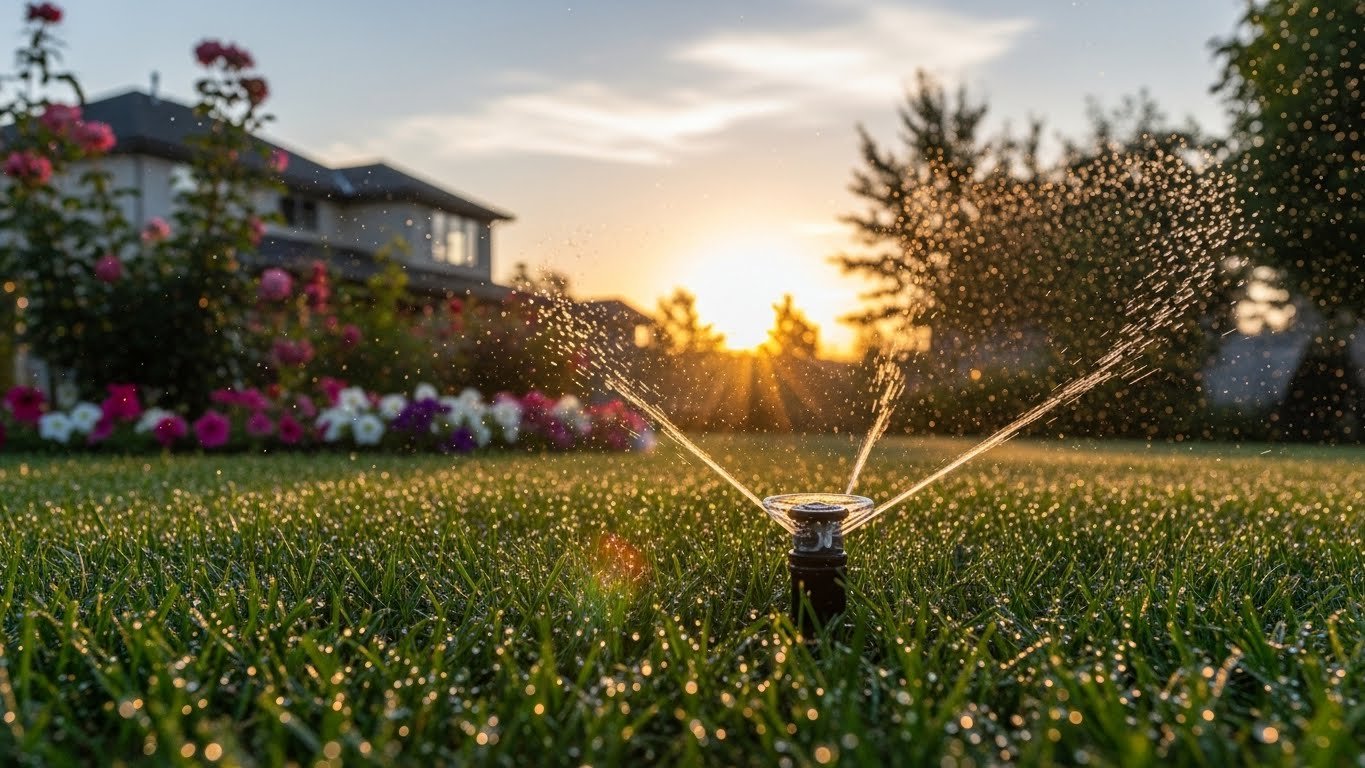
A properly functioning irrigation system is essential for maintaining healthy lawns, gardens, and landscapes. Sprinkler start up is a crucial seasonal process that ensures sprinkler systems operate efficiently, provide uniform water coverage, and avoid costly damage due to leaks or malfunctions. This process typically occurs in early spring, before regular irrigation schedules begin, but it can vary depending on climate, system type, and landscape needs. Understanding the steps, benefits, and best practices for sprinkler start up allows property owners, landscapers, and facility managers to protect their irrigation systems, conserve water, and maintain lush, vibrant landscapes throughout the growing season.
What is Sprinkler Start Up?
Sprinkler start up refers to the process of preparing an irrigation system for operation after it has been inactive during the off-season. This usually involves inspecting the system, turning on the water supply, checking valves and backflow preventers, testing sprinkler heads, and adjusting system settings to ensure proper coverage. Sprinkler start up is essential for preventing damage caused by freezing, pressure issues, or clogged components. Neglecting this process can lead to broken pipes, uneven water distribution, increased water bills, and stressed or damaged plants. A systematic start up ensures the system functions optimally, saving both time and money over the course of the irrigation season.
Importance of Sprinkler Start Up
Sprinkler systems often remain inactive during the winter months, especially in colder climates. During this period, components such as pipes, valves, sprinkler heads, and backflow preventers can accumulate debris, settle in misaligned positions, or experience wear from freezing temperatures. Without a proper start up, these issues may go unnoticed until the system is needed for regular irrigation. Sprinkler start up helps identify and resolve problems early, preventing damage and ensuring efficient water distribution. It also improves plant health by providing consistent, adequate water coverage from the very beginning of the growing season. In addition, regular start up practices promote water conservation by minimizing leaks, runoff, and inefficient irrigation patterns.
Key Steps in Sprinkler Start Up
A successful sprinkler start up involves several critical steps to ensure system efficiency and reliability.
- Visual Inspection: Begin by inspecting the irrigation system for any obvious signs of damage. Check sprinkler heads, pipes, and valves for cracks, wear, or displacement. Look for signs of animal activity, erosion, or debris that may obstruct water flow. A thorough visual inspection helps identify issues before turning on the system.
- Water Supply Check: Ensure that the water supply to the system is fully operational. This includes verifying that main water lines are open, backflow preventers are functioning correctly, and pressure regulators are set properly. Proper water supply ensures that the system operates at optimal pressure and provides uniform coverage.
- Valve and Controller Activation: Turn on manual valves and the irrigation controller. Check that each zone or station functions correctly. Adjust the controller settings to match the seasonal watering requirements, taking into account plant type, soil conditions, and local water restrictions.
- Testing Sprinkler Heads: Activate each zone individually to inspect sprinkler heads for proper operation. Ensure that heads pop up fully, rotate correctly, and deliver water evenly. Replace or adjust any malfunctioning or misaligned heads to prevent dry spots or overwatering.
- Checking for Leaks: Observe the system while it is operating to detect leaks or broken components. Water pooling around sprinkler heads or along irrigation lines can indicate a leak. Promptly repairing leaks prevents water waste and potential damage to landscape areas.
- System Flush: Before regular operation, flush the system to remove accumulated debris and sediment from the pipes. Open the end caps or drain valves to allow water to flow freely through the lines. This step ensures unobstructed water flow and prevents clogging of sprinkler nozzles.
Benefits of Regular Sprinkler Start Up
Performing a proper sprinkler start up offers multiple benefits for both the irrigation system and the landscape. First, it reduces the risk of system damage caused by unnoticed leaks, frozen pipes, or clogged components. Early detection of issues allows for timely repairs, avoiding costly replacements. Second, start up ensures efficient water distribution, promoting healthier plants, lawns, and gardens. Third, it supports water conservation by minimizing overwatering and runoff, which is particularly important in areas with water restrictions. Finally, a well-maintained sprinkler system enhances property aesthetics and value by keeping lawns and landscaping vibrant and well-irrigated throughout the growing season.
Sprinkler Start Up in Residential Settings
For homeowners, sprinkler start up is critical for maintaining a healthy and visually appealing lawn. Residential systems often include multiple zones, drip irrigation, or pop-up sprinklers that require careful inspection and adjustment. Homeowners should take the time to check for broken heads, leaks, and controller settings. For larger properties, professional irrigation services may be employed to ensure the system is started correctly and efficiently. Proper residential sprinkler start up helps homeowners save water, reduce utility costs, and prevent expensive repairs caused by neglected maintenance.
Sprinkler Start Up in Commercial Landscapes
Commercial properties, such as office complexes, schools, parks, and retail spaces, rely on sprinkler systems to maintain large landscaped areas. Sprinkler start up in these settings is often more complex due to the size of the system and the number of zones. Professional irrigation specialists are usually employed to inspect, test, and adjust these systems. This ensures that all areas receive adequate coverage, prevents downtime, and minimizes water waste. A well-executed start up supports the professional appearance of commercial properties, maintains plant health, and contributes to operational efficiency.
Tools and Equipment Needed for Sprinkler Start Up
Successful sprinkler start up requires specific tools and equipment. These include basic hand tools for adjusting sprinkler heads and valves, a water pressure gauge, pipe wrenches, and a system controller or timer for testing zones. Additional equipment, such as backflow testing devices, can be useful for ensuring compliance with local water regulations. Flushing tools and end caps are necessary for removing sediment from irrigation lines. Having the right tools ensures a thorough and efficient start up process, preventing missed steps and reducing the risk of damage to the system.
Troubleshooting Common Sprinkler Issues
During sprinkler start up, several common issues may arise. Clogged sprinkler heads can prevent water from reaching all areas of the landscape, while misaligned or broken heads may create dry spots or water waste. Leaks in pipes or valves can reduce system pressure and efficiency. Inconsistent water pressure or malfunctioning controllers can result in uneven irrigation schedules. Identifying and addressing these problems during start up is critical. Routine inspection, timely replacement of faulty components, and proper adjustment of sprinkler heads and controllers ensure consistent performance throughout the irrigation season.
Maintenance After Sprinkler Start Up
Once the sprinkler system is operational, ongoing maintenance is necessary to sustain efficiency and prevent future problems. Regular checks of sprinkler heads, valves, and controllers help identify emerging issues before they become serious. Seasonal adjustments to watering schedules, based on weather conditions and plant requirements, optimize water use. Periodic flushing and cleaning of the system ensure continued unobstructed water flow. By combining a thorough sprinkler start up with routine maintenance, property owners can maximize system lifespan, reduce repair costs, and maintain healthy, vibrant landscapes.
Environmental Considerations
Proper sprinkler start up and maintenance contribute to water conservation and environmental responsibility. By ensuring uniform water distribution, preventing leaks, and adjusting schedules to seasonal needs, sprinkler systems operate more efficiently. Environmentally conscious start up practices, such as using rain sensors or soil moisture sensors, further reduce water waste. This approach not only protects landscapes but also supports sustainable water management, particularly in regions facing drought or water restrictions.
Conclusion
Sprinkler start up is a critical seasonal task that ensures irrigation systems operate efficiently, protect landscapes, and conserve water. From inspecting components and flushing lines to testing sprinkler heads and adjusting controllers, each step is essential for a successful growing season. Proper start up reduces the risk of damage, prevents costly repairs, and promotes healthy plant growth. Both residential and commercial properties benefit from professional or carefully executed sprinkler start up procedures, which maintain system longevity and optimize performance. By prioritizing sprinkler start up, property owners and managers can enjoy vibrant, well-watered landscapes while minimizing waste, costs, and environmental impact.