
 By Word Whimsy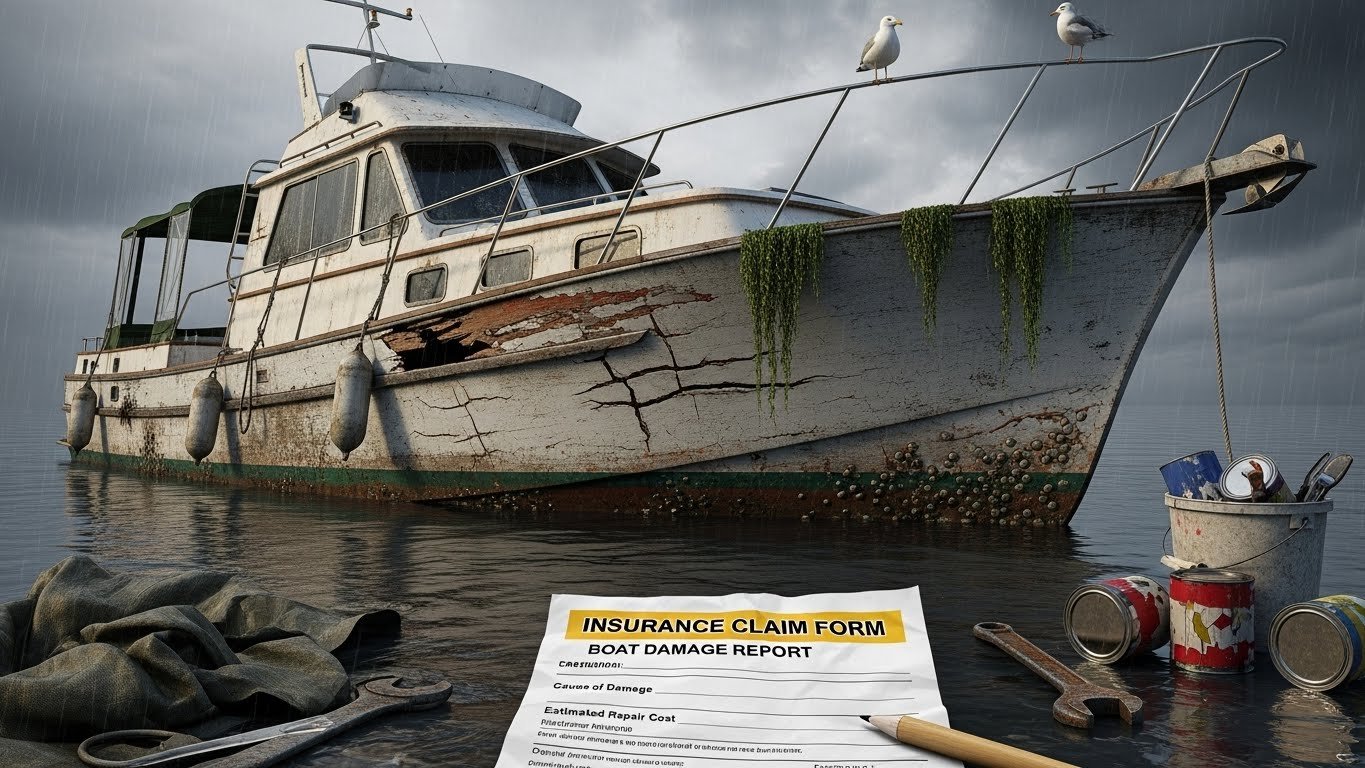
For boat owners, proper storage is an essential aspect of maintaining the condition, safety, and longevity of their vessels. Boats represent a significant financial and emotional investment, and neglecting storage can lead to damage, corrosion, and costly repairs over time. Whether storing a boat for a few weeks or throughout an entire off-season, understanding the various options, security measures, and maintenance practices associated with boat storage is crucial for every boat owner. Proper storage ensures that the vessel remains in optimal condition, ready for use whenever needed, and that its value is preserved for years to come. In this comprehensive guide, we will explore the types of boat storage, key considerations for choosing the right solution, practical maintenance tips, and strategies to safeguard your investment while keeping your boat secure and functional.
Importance of Proper Boat Storage
Boats are constantly exposed to environmental conditions that can accelerate wear and deterioration. Sunlight, rain, wind, and saltwater all contribute to fading, corrosion, and structural damage. Improper storage increases the risk of mold growth, water intrusion, and mechanical failures, which can result in significant repair costs and reduced performance. Proper boat storage is not only about protecting the physical vessel but also about ensuring the safety of its components, including the engine, electrical systems, and interior furnishings. Additionally, secure and well-organized storage helps prevent theft, vandalism, or accidental damage, giving boat owners peace of mind. Safe storage also allows for efficient preparation for boating activities, making it easier to launch and enjoy the vessel without unnecessary stress or complications.
Types of Boat Storage
Boat owners have a variety of storage options, each suited to different needs, budgets, and usage patterns. Outdoor storage is often the most affordable choice and includes open lots or uncovered slips. While convenient, outdoor storage exposes the boat to harsh weather conditions, making protective covers and regular maintenance essential. Covered storage offers an added layer of protection from sun and precipitation while allowing for ventilation, reducing the risk of mold and UV damage. Options include carport-style shelters, covered marina slips, and canopy systems. Indoor storage provides the highest level of protection, often in warehouses or climate-controlled facilities that shield boats from weather, pests, and theft. This method is ideal for long-term storage or valuable vessels. Marina slips provide convenient access to water and varying degrees of security, suitable for boats in frequent use, while dry stack storage maximizes space efficiency by stacking boats on racks inside a covered facility, allowing retrieval via lifts or cranes. For smaller vessels, trailer storage can be a practical solution, provided the boat is secured and adequately protected from environmental exposure.
Key Considerations for Boat Storage
Choosing the right storage solution requires careful consideration of multiple factors to ensure the boat remains safe, accessible, and well-maintained. Security is paramount; the storage facility should include surveillance cameras, secure gates, locks, and on-site personnel to prevent theft or vandalism. Accessibility is also important, especially for boats that are used frequently. Storage that allows easy access to the water or private property simplifies preparation and launching, reducing time and effort for the owner. Protection from environmental elements is another critical factor. Covered or indoor facilities provide superior shielding from sun, rain, snow, and wind, preserving both the exterior and interior of the boat. Cost considerations also play a role; outdoor storage is generally more affordable, while indoor or dry stack options are premium services. Additional features such as maintenance services, winterization, and climate control can further influence the decision, offering convenience and long-term preservation of the vessel.
Maintenance Tips While in Storage
Even with high-quality storage, regular maintenance is essential to keep a boat in optimal condition. Thorough cleaning before storage removes salt, dirt, and debris that can cause corrosion or staining. Ensuring that the boat is dry prevents mold and mildew growth, especially in bilges, storage compartments, and upholstery. Using a fitted, breathable cover provides protection from dust, UV rays, and moisture while allowing airflow to prevent condensation. Battery maintenance is equally important; disconnecting or removing batteries and keeping them charged in a cool, dry place extends their lifespan and prevents corrosion. Fuel system care, such as adding stabilizers, prevents gasoline or diesel degradation during long storage periods. Additionally, periodic inspections help identify potential issues such as leaks, damage, or pests early, allowing for prompt corrective action. In colder climates, winterization of engines, plumbing systems, and other critical components prevents freeze damage, ensuring the boat is ready for use when the season returns.
Benefits of Proper Boat Storage
Proper boat storage provides numerous benefits beyond simple protection from the elements. First, it safeguards the vessel from weather-related damage, theft, and accidental harm. Second, it extends the life of the boat by reducing wear and tear on sensitive components. Proper storage also enhances convenience, as many facilities offer amenities such as cleaning, maintenance, and winterization services, making it easier for owners to keep their boats in top condition. Well-maintained boats retain higher resale value compared to vessels stored improperly or exposed to harsh conditions. Finally, secure storage offers peace of mind, allowing owners to focus on enjoying boating rather than worrying about potential damage or maintenance issues.
Cost Considerations
Storage costs vary depending on the size of the boat, type of facility, duration of storage, and additional services provided. Outdoor storage is typically the least expensive, followed by covered storage, while indoor storage and dry stack facilities command premium fees. Some storage providers offer tiered services that include maintenance, winterization, or retrieval, which can add convenience but also increase costs. When evaluating options, boat owners should consider the long-term value of protecting their vessel and the potential savings from preventing damage, corrosion, or mechanical issues. Investing in quality storage may represent a higher upfront expense, but it often results in lower maintenance costs and extended vessel life over time.
Tips for Choosing the Right Boat Storage
To select the most suitable storage option, boat owners should evaluate their usage patterns, the value of the vessel, and the level of protection required. Comparing costs, security measures, and available amenities helps determine the best option for both convenience and preservation. Inspecting the facility for cleanliness, accessibility, and structural integrity ensures that the boat will be stored safely. Owners should also consider additional services such as battery maintenance, cleaning, or winterization, which can further protect the vessel. Developing a long-term storage strategy that balances cost, convenience, and security is essential for maintaining the boat’s condition and ensuring it remains ready for use at all times.
Conclusion
Proper boat storage is critical for maintaining the safety, performance, and value of a vessel. With options ranging from outdoor lots and covered structures to indoor warehouses, dry stack facilities, and marina slips, boat owners can choose a solution that fits their needs, budget, and usage frequency. Security, accessibility, protection from the elements, and maintenance services are key factors to consider when selecting a storage option. Regular care, such as cleaning, winterization, and battery maintenance, ensures that the boat remains in optimal condition while stored. By investing in appropriate storage solutions and following best practices, boat owners protect their vessels from damage, reduce maintenance costs, preserve resale value, and enjoy peace of mind, knowing their investment is secure and ready for every adventure on the water.