
 By Word Whimsy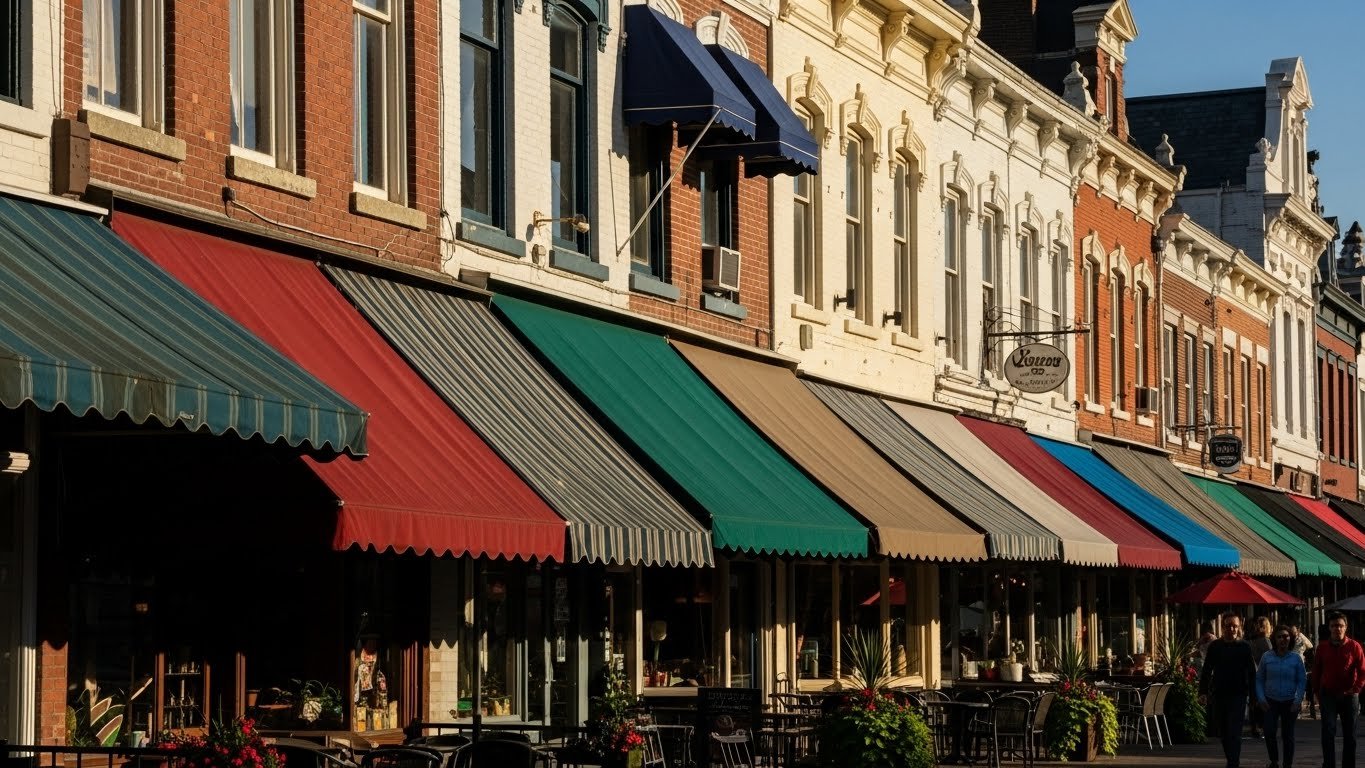
Awnings have been an integral part of architectural design and outdoor comfort for centuries, evolving from simple fabric coverings into sophisticated systems that combine aesthetics, durability, and advanced functionality. Today, awnings are not merely decorative additions to buildings; they are practical investments that improve daily living, protect valuable spaces, and enhance the overall appeal of residential and commercial properties. This article explores the concept of awnings in depth, discussing their purpose, benefits, types, materials, installation considerations, maintenance, and their growing role in modern lifestyles.
Understanding Awnings and Their Purpose
At their core, awnings are secondary coverings attached to the exterior walls of buildings, typically installed over windows, doors, patios, or outdoor seating areas. Their primary purpose is to provide shade and protection from environmental elements such as sunlight, rain, and light wind. However, their role extends far beyond basic shelter. Awnings help regulate indoor temperatures, reduce energy consumption, and create comfortable transitional spaces between indoor and outdoor environments.
Historically, awnings were made from simple materials like canvas stretched over wooden or metal frames. Over time, technological advancements have introduced high-performance fabrics, retractable mechanisms, and weather-resistant materials that significantly improve functionality and lifespan. Modern awnings now cater to a wide range of needs, from residential comfort to commercial branding and customer experience enhancement.
The Practical Benefits of Installing Awnings
One of the most significant advantages of awnings is their ability to control sunlight. By blocking direct sun rays, awnings help prevent excessive heat from entering indoor spaces. This natural temperature regulation reduces reliance on air conditioning systems, leading to lower energy bills and a more sustainable lifestyle. In warmer months, shaded areas remain cooler and more inviting, making outdoor spaces usable throughout the day.
Awnings also protect interior furnishings from sun damage. Prolonged exposure to ultraviolet rays can cause furniture, flooring, curtains, and artwork to fade or deteriorate over time. By filtering sunlight before it enters through windows or doors, awnings help preserve the quality and appearance of indoor décor.
From an outdoor perspective, awnings create functional living spaces. Patios, balconies, and decks become extensions of the home or business, suitable for dining, relaxing, or entertaining guests. Restaurants and cafés, in particular, benefit from awnings by offering shaded seating areas that attract customers and improve comfort during varying weather conditions.
Aesthetic Value and Architectural Harmony
Beyond their practical advantages, awnings contribute significantly to the visual appeal of a building. Available in a wide array of colors, patterns, and designs, awnings can complement existing architectural styles or introduce a striking contrast that enhances curb appeal. Whether a property features a classic, modern, or minimalist design, there are awning styles that seamlessly integrate with the overall aesthetic.
Customizable options allow property owners to select fabrics, frame finishes, and shapes that align with personal preferences or branding requirements. For commercial establishments, awnings often serve as subtle yet effective branding tools, reinforcing identity through coordinated colors and logos without overwhelming the façade.
Types of Awnings and Their Applications
Awnings come in various forms, each designed to meet specific functional and aesthetic needs. Fixed awnings are permanently installed and provide constant protection. They are ideal for areas that require consistent shade or shelter, such as windows exposed to intense sunlight or entryways frequently affected by rain.
Retractable awnings offer flexibility, allowing users to extend or retract the covering as needed. These awnings can be manually operated or motorized, providing convenience and adaptability to changing weather conditions. Retractable systems are particularly popular for patios and outdoor seating areas, where users may want sunlight at certain times and shade at others.
Freestanding awnings and pergola-style structures are another option, offering shade without attachment to a building. These are commonly used in gardens, poolside areas, or open landscapes where traditional wall-mounted awnings are not feasible. Their versatility makes them suitable for both residential and commercial applications.
Materials and Fabric Technology
The durability and performance of awnings largely depend on the materials used in their construction. Frames are typically made from aluminum, steel, or treated wood, each offering distinct advantages. Aluminum frames are lightweight, corrosion-resistant, and low-maintenance, making them a popular choice for modern installations. Steel frames provide superior strength and stability, while wooden frames offer a natural, classic appearance when properly maintained.
Awning fabrics have also evolved significantly. High-quality acrylic fabrics are widely used due to their resistance to fading, moisture, and mildew. Polyester and vinyl-coated materials provide additional durability and are well-suited for environments exposed to heavy rain or strong sunlight. Many modern fabrics are treated with protective coatings that enhance water resistance and block harmful ultraviolet rays.
These material advancements ensure that awnings remain functional and visually appealing for years, even under demanding environmental conditions. When discussing awnings use in contemporary design, the choice of materials plays a crucial role in determining both performance and longevity.
Installation Considerations and Planning
Proper installation is essential to maximize the benefits of awnings. Before installation, several factors should be carefully evaluated, including the orientation of the building, sun exposure patterns, wind conditions, and available mounting surfaces. Understanding how sunlight moves throughout the day helps determine the optimal size and placement of the awning.
Professional installation is often recommended, especially for large or motorized systems. Experienced installers ensure that awnings are securely mounted, correctly angled, and safely integrated with the building structure. This not only enhances performance but also reduces the risk of damage during adverse weather conditions.
Additionally, local building regulations and homeowner association guidelines may influence awning design and installation. While this article avoids specific geographic references, it is always advisable to check applicable rules and standards before proceeding with any exterior modification.
Maintenance and Long-Term Care
Maintaining awnings is relatively straightforward, yet essential for preserving their appearance and functionality. Regular cleaning helps remove dust, pollen, and debris that can accumulate on the fabric surface. Most awning fabrics can be cleaned using mild soap and water, followed by thorough rinsing and air drying.
Retractable awnings benefit from periodic inspection of mechanical components, including arms, joints, and motors. Lubrication and timely repairs prevent minor issues from escalating into costly replacements. During extreme weather conditions, retracting the awning when not in use can significantly extend its lifespan.
Consistent care ensures that awnings continue to perform effectively, providing reliable shade and protection for many years. This attention to maintenance highlights the practical side of awnings use in everyday life, emphasizing long-term value over short-term convenience.
Environmental and Energy Efficiency Benefits
In an era where sustainability is increasingly important, awnings offer notable environmental advantages. By reducing heat gain inside buildings, awnings lower the demand for air conditioning, leading to decreased energy consumption and reduced carbon emissions. This passive cooling strategy aligns with eco-conscious living and supports broader environmental goals.
Furthermore, awnings contribute to outdoor comfort without relying on energy-intensive solutions. Shaded outdoor spaces encourage people to spend more time outside, fostering a connection with nature while maintaining comfort. This balance between comfort and sustainability underscores the relevance of awnings in modern architectural planning.
Awnings in Residential and Commercial Settings
The versatility of awnings makes them suitable for a wide range of settings. In residential environments, awnings enhance quality of life by creating comfortable outdoor retreats and protecting interior spaces. Homeowners appreciate the combination of functionality and visual appeal that awnings bring to patios, balconies, and windows.
In commercial contexts, awnings play a strategic role in customer engagement and brand presentation. Retail stores, cafés, and restaurants use awnings to attract foot traffic, provide shelter for customers, and define outdoor seating areas. The thoughtful awnings use in these settings contributes to a welcoming atmosphere and a memorable customer experience.
Future Trends and Innovations
As technology continues to advance, the awning industry is embracing innovation. Smart awnings equipped with sensors can automatically extend or retract based on sunlight, wind speed, or rainfall. Integration with home automation systems allows users to control awnings remotely, enhancing convenience and energy efficiency.
Design trends are also evolving, with a growing emphasis on minimalist aesthetics, neutral color palettes, and seamless integration with modern architecture. Sustainable materials and recyclable fabrics are gaining popularity, reflecting a broader shift toward environmentally responsible design choices.
These trends indicate that awnings will continue to adapt to changing lifestyles and architectural preferences, reinforcing their relevance in both traditional and contemporary settings. The evolving awnings used in smart homes and eco-friendly designs highlights their potential beyond conventional applications.
Conclusion: The Enduring Value of Awnings
Awnings represent a harmonious blend of practicality, comfort, and style. Their ability to provide shade, protect interiors, enhance outdoor living, and contribute to energy efficiency makes them valuable additions to a wide variety of properties. With numerous design options, advanced materials, and innovative technologies available, awnings can be tailored to meet diverse needs and preferences.
By understanding the benefits, types, materials, and maintenance requirements associated with awnings, property owners can make informed decisions that enhance both functionality and visual appeal. Whether used to create inviting outdoor spaces or to improve indoor comfort, awnings continue to demonstrate their enduring value in modern living. The thoughtful and strategic awnings used discussed throughout this article underscores their role as essential elements in contemporary architectural and lifestyle solutions.