
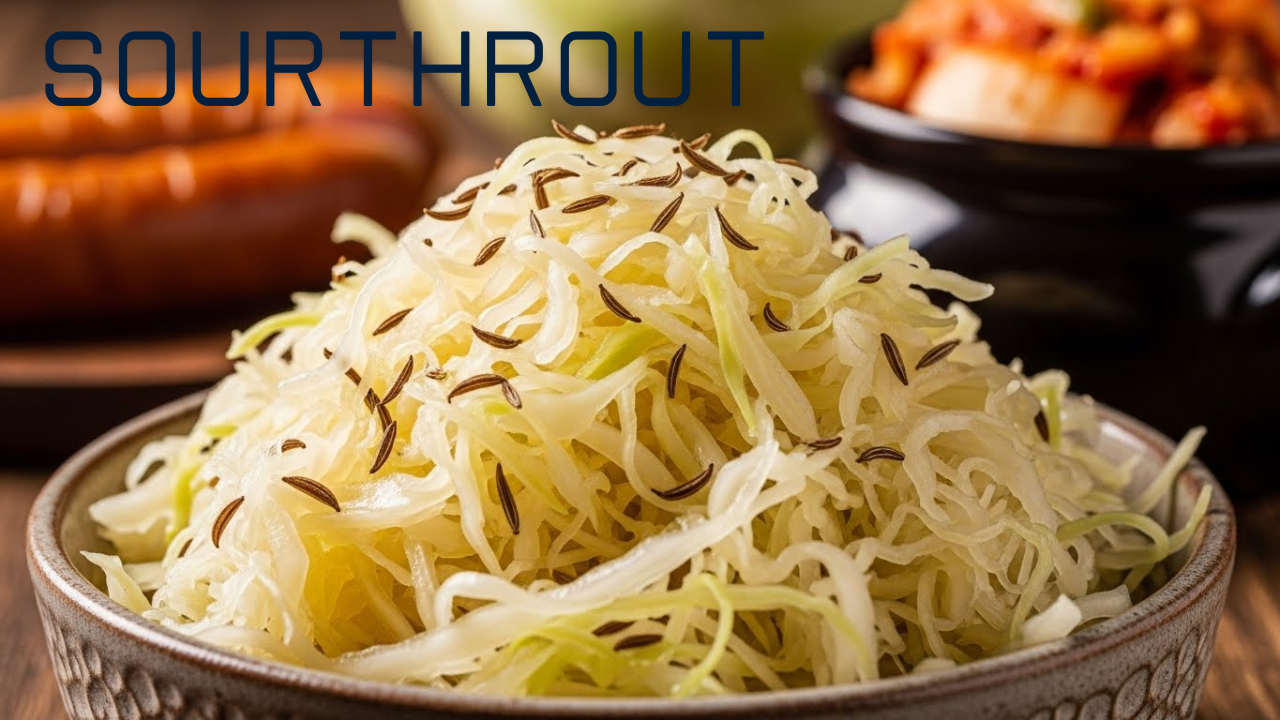
Sauerkraut, often overlooked in the culinary world, is a fermented treasure brimming with flavor and health benefits. This tangy delight has roots that stretch across continents and centuries, captivating taste buds from Europe to Asia. Imagine biting into crisp cabbage transformed by time and fermentation — it’s a burst of vibrant flavor that can elevate any dish.
But sauerkraut isn’t just about its unique taste; it’s packed with nutrients that can boost your well-being. Whether you’re seeking to enhance your gut health or simply looking for new ways to spice up your meals, this humble ingredient offers endless possibilities.
From traditional recipes passed down through generations to innovative modern twists on classic dishes, there’s so much to explore within the world of sauerkraut. Join us as we delve deeper into this fascinating food journey!
The Health Benefits of Sauerkraut
Sauerkraut is more than just a tangy condiment; it’s a powerhouse of nutrients. Packed with probiotics, this fermented food supports gut health and digestion. A healthy gut can lead to improved immunity and overall well-being.
Rich in vitamins C and K, sauerkraut also aids in boosting the immune system. The fermentation process enhances nutrient absorption, making it easier for your body to utilize these essential vitamins.
Additionally, sauerkraut contains antioxidants that fight inflammation and oxidative stress. This can help lower the risk of chronic diseases.
Low in calories yet high in fiber makes it an excellent choice for weight management. Incorporating sauerkraut into meals adds not only flavor but also nutritional value without compromising on taste or satisfaction.
Traditional Sauerkraut Recipes from Different Cultures
Sauerkraut has a rich history, woven into the culinary traditions of many cultures. Each region brings its own unique twist to this fermented delight.
In Germany, sauerkraut is often paired with sausages and potatoes. It adds a tangy crunch that complements hearty dishes perfectly. This classic combination is a staple at Oktoberfest celebrations.
Poland also embraces sauerkraut, using it in bigos—a savory hunter’s stew packed with meats and mushrooms. The tanginess of the sauerkraut enhances the dish’s depth of flavor.
Korean cuisine features kimchi, which shares similarities with traditional sauerkraut but incorporates spices like chili flakes and garlic. This spicy version offers an exciting kick alongside rice or noodles.
Czech cuisine takes another approach by adding fruit to their recipe, creating sweet and sour variations that are delightful on pork chops or roasted duck.
Each cultural variant tells a story—of local ingredients, regional tastes, and time-honored practices passed down through generations.
Modern Variations and Creative Uses for Sauerkraut
Sauerkraut has evolved far beyond its traditional role as a side dish. Today, it shines in unexpected culinary creations that enhance flavor and nutrition.
Consider using sauerkraut as a topping for gourmet burgers or hot dogs. This crunchy addition adds tanginess that balances rich meats perfectly.
In the realm of breakfast, try mixing sauerkraut into scrambled eggs or savory pancakes. The unique taste can elevate your morning meal to new heights.
For something refreshing, blend sauerkraut into smoothies. A small amount packs a probiotic punch without overpowering other flavors.
Cooking enthusiasts are experimenting with fusion dishes too. Think Korean-inspired tacos featuring kimchi-style sauerkraut paired with spicy sriracha sauce.
Salads benefit from this fermented wonder as well; toss it in coleslaw or grain bowls for added texture and zing. Each bite offers a delightful surprise that keeps your palate engaged.
How to Make Your Own Sauerkraut at Home
Making your own sauerkraut at home is simple and rewarding. Start with fresh, organic cabbage. Remove any damaged outer leaves and slice the head into thin strips.
Next, place the shredded cabbage in a large bowl. Sprinkle it generously with sea salt—about 1 tablespoon per medium-sized cabbage works well. Massage the salt into the cabbage for several minutes until it starts to release its natural juices.
Transfer the mixture to a clean glass jar or fermentation crock. Pack it tightly, pushing down to ensure that it’s submerged in its brine. This step is crucial to prevent spoilage.
Cover your container loosely with cheesecloth or a lid that allows gases to escape, then set it aside at room temperature away from direct sunlight. Let it ferment for about one to four weeks, tasting occasionally until you reach your desired flavor profile.
Once ready, store it in the fridge where it’ll keep for months!
Tips for Incorporating Sauerkraut into Your Diet
Incorporating sauerkraut into your diet can be simple and fun. Start small by adding a spoonful to your sandwiches or wraps. It adds crunch and a tangy flavor that elevates any meal.
Try tossing it into salads for an unexpected twist. Mixed with greens, nuts, and a zesty vinaigrette, it creates a refreshing dish bursting with flavor.
Consider using sauerkraut as a topping for tacos or grilled meats. The acidity cuts through richness beautifully, enhancing your culinary experience.
For breakfast enthusiasts, try mixing it with scrambled eggs or avocado toast. You’ll gain an exciting new layer of taste while boosting the nutrition profile of your morning routine.
Experimenting is key! Blend sauerkraut into smoothies for added probiotics without sacrificing taste. Each method opens up new avenues of enjoyment in every bite you take.
Conclusion: Embracing the Unique and Delicious World of Sauerkraut
Sauerkraut is more than just a side dish; it’s a culinary adventure waiting to be explored. With its diverse flavors and textures, this fermented treat offers something for everyone. From the health benefits that come with each tangy bite to the rich cultural heritage reflected in traditional recipes, sauerkraut has secured its place in kitchens around the world.
Modern variations showcase creativity and innovation, inviting us to experiment beyond classic pairings. Making your own sauerkraut at home can be incredibly rewarding too—it’s easier than you might think and allows for customization based on your taste preferences.
Incorporating sauerkraut into meals can elevate everyday dishes with its unique zing. Whether as a topping on sandwiches or mixed into salads, there are endless possibilities to enjoy this powerhouse ingredient.
Embracing the vibrant world of sauerkraut opens up new flavor profiles while promoting gut health and overall well-being. Dive into this delightful journey and let each bite inspire new culinary creations!