
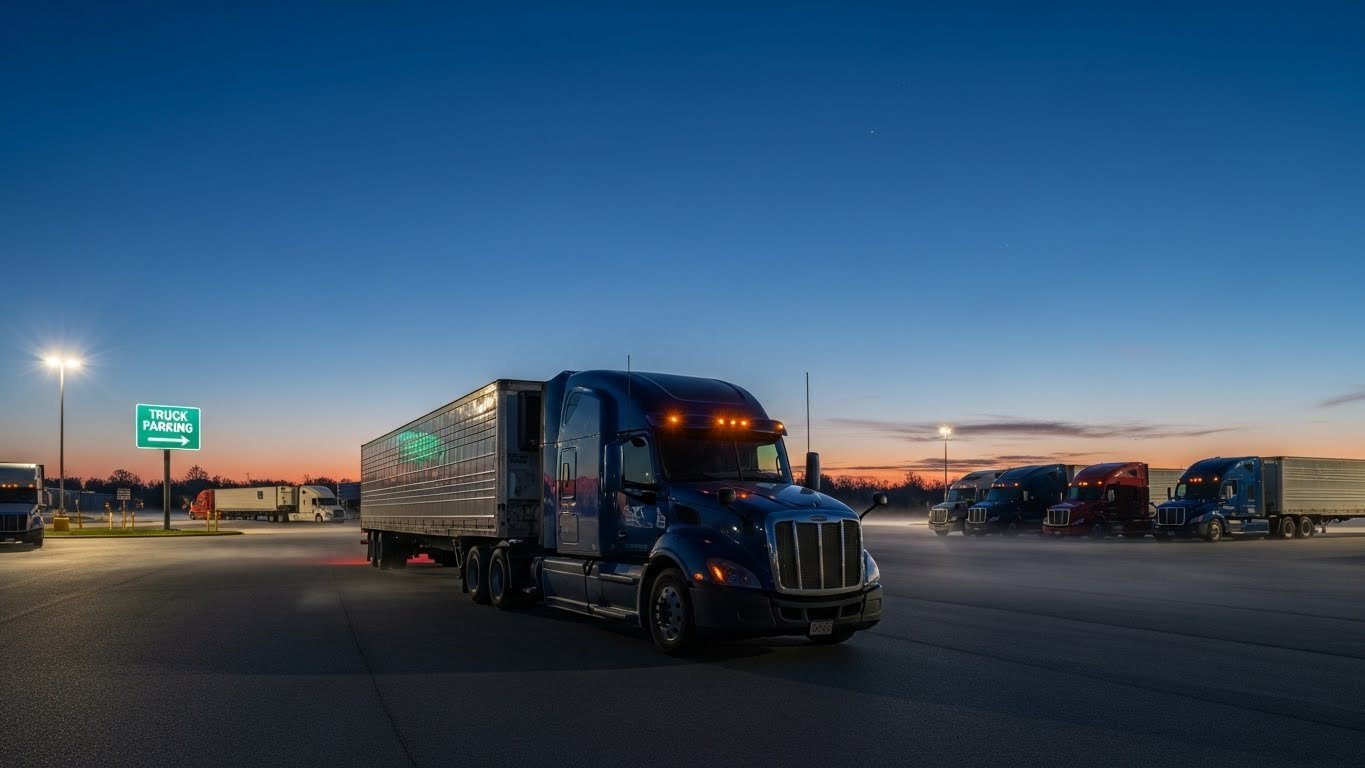
Overnight truck parking is one of the most important factors in the transportation and logistics industry, directly impacting driver safety, regulatory compliance, and operational efficiency. Long-haul truck drivers spend extended periods on the road, and federal and state regulations mandate rest periods to prevent fatigue-related accidents. Without proper overnight truck parking facilities, drivers are often forced to park in unsafe areas, such as highway shoulders, unauthorized lots, or poorly lit public spaces, creating significant safety risks. In addition to safety concerns, the lack of secure overnight parking can disrupt schedules, cause delays in freight delivery, and negatively affect fleet operations. Proper planning and utilization of overnight truck parking are therefore essential for drivers, fleet managers, and logistics companies seeking to maintain efficiency while ensuring compliance with hours-of-service regulations.
Types of Overnight Truck Parking Facilities
Overnight truck parking comes in various forms, each offering different levels of security, amenities, and convenience. Government-operated rest areas are the most common type of overnight parking. These facilities typically provide basic amenities such as restrooms, vending machines, and designated truck spaces. While convenient and accessible, these rest areas often reach capacity quickly, particularly in high-traffic regions. Private truck stops are another popular option, offering more extensive amenities such as fueling stations, showers, restaurants, maintenance services, and monitored parking lots. These stops often provide greater security, reducing the risk of theft or vandalism during overnight stays. Industrial or commercial parking areas, such as those at warehouses or distribution centers, may allow trucks to park overnight for loading or unloading, though these often require prior arrangements. Specialized freight parking facilities are emerging in some regions, offering high-security spaces, 24/7 surveillance, electric vehicle charging, and other amenities designed specifically for long-haul drivers. Understanding the available options enables drivers and fleet managers to plan safe, reliable, and efficient overnight stops.
Planning Strategies for Overnight Truck Parking
Effective overnight truck parking requires careful planning at both the individual driver level and the fleet management level. One of the most important strategies is route integration, which involves mapping available parking facilities along the driver’s route in advance. GPS-enabled applications and mobile platforms provide real-time information on availability, occupancy, and amenities, helping drivers avoid the stress and hazards associated with searching for parking late at night. Scheduling rest stops according to hours-of-service regulations is also critical, ensuring that drivers take mandatory breaks without disrupting delivery timelines. Fleet managers can further optimize operations by monitoring parking capacity along commonly used routes, establishing agreements with private facilities to reserve overnight spaces, and using fleet management software to track occupancy and coordinate stops efficiently. Proactive planning reduces downtime, enhances safety, and ensures compliance, which is essential for maintaining operational reliability.
Safety Considerations for Overnight Truck Parking
Safety is the foremost concern in overnight truck parking. Selecting well-lit, secure facilities minimizes the risks of theft, vandalism, and personal injury. Adequate spacing between trucks is vital to prevent accidents during parking maneuvers, particularly for larger vehicles. Clear signage, including directional markers and designated truck-only zones, improves traffic flow and reduces congestion within parking areas. Emergency preparedness is another critical factor; facilities should have fire extinguishers, first-aid kits, and contact information for security or emergency services. Many modern truck parking facilities employ surveillance cameras, gated access, and security personnel to enhance safety and protect both drivers and cargo. By prioritizing safety, drivers can rest properly overnight, which reduces fatigue and contributes to safer driving conditions on the road.
Technology and Innovation in Overnight Truck Parking
Technology has significantly transformed overnight truck parking, making it more accessible, efficient, and data-driven. Mobile applications allow drivers to locate available parking spaces, check amenities, and even reserve spots in advance, reducing uncertainty and wait times. IoT-based sensors monitor parking lot occupancy in real time, providing fleet managers with accurate data for route planning and scheduling. Automated reservation systems allow drivers to secure overnight spaces before arrival, while digital payment solutions streamline transactions and reduce congestion at facility entrances and exits. Integration with fleet management platforms further enhances efficiency by aligning parking decisions with delivery schedules, driver rest periods, and overall route optimization. These technological advancements not only improve operational efficiency but also enhance safety by directing drivers to secure, appropriate spaces rather than leaving them to find parking in unsafe areas.
Common Challenges in Overnight Truck Parking
Despite technological progress and increasing infrastructure investment, overnight truck parking faces significant challenges. Limited availability, especially in urban areas and along high-traffic interstate corridors, forces drivers to compete for scarce spaces, sometimes resulting in unsafe or illegal parking. Regulatory inconsistencies between states and municipalities add complexity for long-haul drivers who must navigate varying local rules. Aging infrastructure, insufficient lot sizes, and poor design limit the number of trucks that can park safely, creating congestion and operational inefficiencies. Additionally, the cost of private overnight parking may impose financial burdens on drivers and fleet operators. Unmonitored areas present security risks, increasing the likelihood of theft, vandalism, or cargo damage. Addressing these challenges requires investment in infrastructure, adoption of technology, policy development, and strategic partnerships between fleet operators and parking facility owners.
Best Practices for Drivers and Fleet Managers
Optimizing overnight truck parking involves implementing several best practices that enhance safety, efficiency, and compliance. Advance planning is essential, including identifying available parking locations along the driver’s route and scheduling overnight stops according to hours-of-service requirements. Leveraging technology through apps, GPS systems, and fleet management software improves visibility into parking availability and enables reservations when possible. Selecting well-lit, secure facilities with adequate spacing minimizes risks and ensures drivers can rest safely. Compliance with all local and federal regulations is crucial to avoid fines and maintain a reputation for operational reliability. Finally, sharing knowledge of reliable overnight parking locations within driver networks and fleet teams can reduce congestion and improve efficiency across the industry.
The Economic and Operational Benefits of Overnight Truck Parking
Overnight truck parking provides significant economic and operational advantages for both drivers and fleet operators. Properly planned parking reduces downtime, enabling drivers to maintain delivery schedules and optimize fuel consumption. Secure and reliable facilities protect cargo and equipment, reducing the risk of losses from theft or damage. By ensuring that drivers have adequate rest in safe locations, fleet operators minimize fatigue-related accidents, which can be costly in terms of liability, insurance, and operational disruption. Additionally, companies that proactively address overnight truck parking challenges enhance driver satisfaction and retention, creating a more stable and efficient workforce. Strategic investment in parking infrastructure and technology thus translates into long-term cost savings and improved operational performance.
Future Trends in Overnight Truck Parking
The future of overnight truck parking is shaped by technology, infrastructure development, and sustainability initiatives. Smart parking facilities equipped with IoT sensors, real-time occupancy tracking, and automated guidance systems are increasingly common, helping drivers locate available spaces quickly and efficiently. Expansion of private and specialized parking lots with high-security features is also on the rise, particularly along high-demand routes. Green initiatives, including solar-powered lighting, electric vehicle charging stations, and environmentally friendly designs, are becoming integral to modern truck parking facilities. Additionally, industry collaboration and policy development aim to standardize regulations, improve safety, and incentivize the creation of more accessible overnight parking spaces. These trends collectively improve safety, convenience, and operational efficiency for drivers and logistics companies alike.
Conclusion
Proper overnight truck parking is an essential element of modern transportation and logistics operations. By providing safe, secure, and accessible spaces for drivers to rest, these facilities help ensure compliance with hours-of-service regulations, reduce fatigue-related accidents, and improve overall operational efficiency. Understanding the types of available parking facilities, planning strategically, prioritizing safety, and leveraging technology are all critical components of effective overnight truck parking management.
As demand for trucking services continues to grow, investment in infrastructure, technology, and policy development becomes increasingly important. Companies and drivers who proactively address overnight parking challenges enhance safety, reduce costs, and maintain operational reliability. Strategic attention to overnight truck parking is not simply a convenience; it is a fundamental aspect of responsible, efficient, and successful logistics operations. By integrating careful planning, advanced technology, and safety-focused practices, drivers and fleet managers can ensure that overnight parking supports long-haul efficiency, protects cargo, and promotes driver well-being.
In a dynamic transportation landscape, reliable overnight truck parking serves as a cornerstone of operational excellence. Companies that prioritize safe, well-managed parking spaces benefit from reduced downtime, improved driver satisfaction, and enhanced logistical efficiency. For drivers, access to secure and properly maintained facilities ensures restful stops, safer journeys, and compliance with regulatory requirements. Ultimately, overnight truck parking is an essential component of a well-functioning logistics network, supporting the growth, safety, and sustainability of the transportation industry