Introduction: The Enduring Appeal of a Textured Fabric
Corduroy, with its distinctive ribbed texture and velvety touch, occupies a unique place in the world of textiles. This is a fabric with a split personality—once dubbed “poor man’s velvet” for its working-class roots, yet repeatedly reclaimed by style icons and designers as a symbol of intellectual cool and rustic elegance. More than just a seasonal trend, corduroy is a durable, warm, and surprisingly versatile material that has ridden the waves of fashion for centuries.
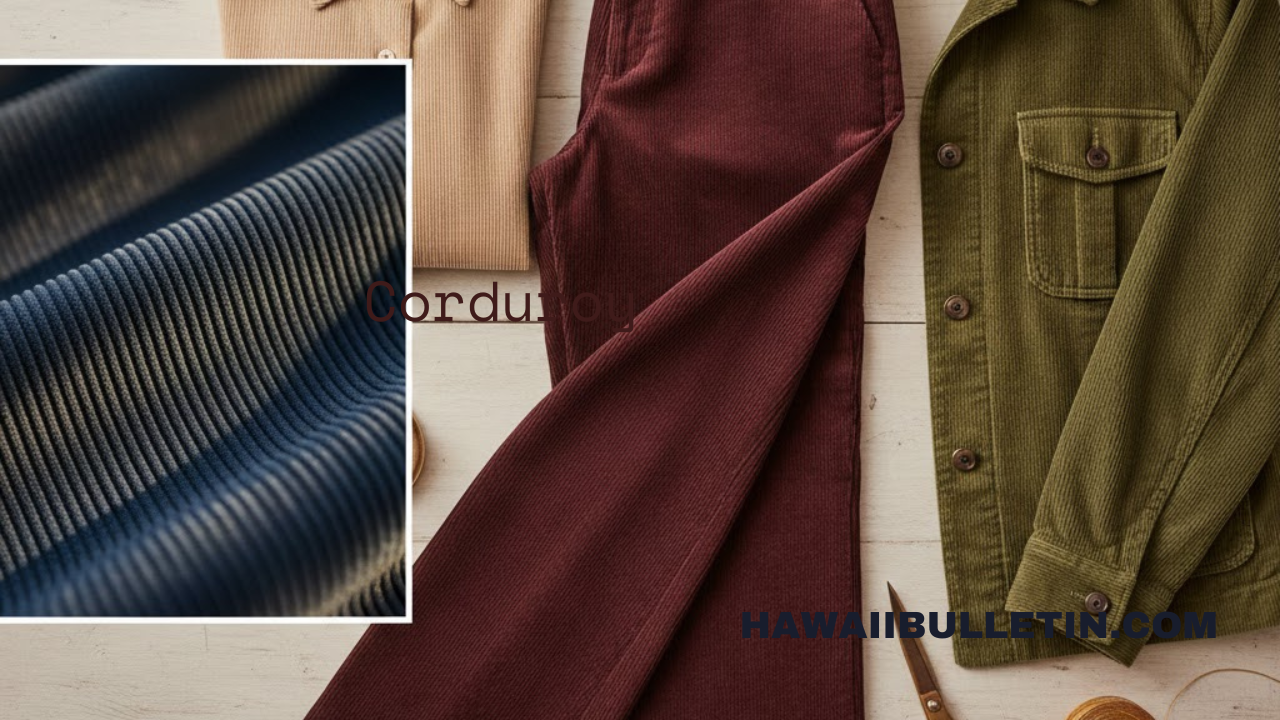
Its characteristic parallel ridges, known as “wales,” catch the light and create a tactile dimension that flat fabrics lack. Whether in the form of a sharp trouser, a cozy jacket, or a soft couch, corduroy adds instant visual interest and a sense of lived-in comfort. As it enjoys another resurgence on contemporary runways and street style blogs, understanding this fabric’s rich history, its many forms, and how to care for it unlocks a deeper appreciation for a true wardrobe and home furnishing staple.
A Brief History of Corduroy: From Fustian to Fashion Staple
The story of corduroy is shrouded in a bit of etymological mystery and spans continents. Its earliest ancestor is believed to be fustian, a sturdy, napped fabric developed in the ancient Egyptian city of Al-Fustat around 200 AD. This fabric made its way to medieval Europe, valued for its warmth and durability, often used to line garments.
The modern corduroy we recognize began to take shape in 18th-century England during the Industrial Revolution. Advanced textile machinery allowed for the precise weaving and cutting of the distinctive raised cords. A persistent myth claims the name comes from the French “corde du roi” (cord of the king), suggesting royal patronage. However, most historians agree this is a false etymology, likely concocted as a clever marketing ploy by 19th-century French manufacturers. It is more probable that the name derives from the English words “cord” and “duroy,” a coarse woolen cloth of the time.
Throughout the 19th and early 20th centuries, corduroy became the uniform of the working man and the practical choice for military and school uniforms due to its exceptional durability. Its big break into popular culture came with the countercultural movements of the 1960s and 70s. Adopted by musicians like The Beatles and the Grateful Dead, and worn by Hollywood icons like Steve McQueen, it shed its purely utilitarian image and became a symbol of relaxed, intellectual style. Today, it continues to cycle in and out of fashion, perpetually appreciated for its unique texture and comfort.
What Exactly Is Corduroy? Understanding Wales and Weaves
At its core, corduroy is a ridged pile fabric. Its signature texture is not printed on but woven into the material through a specific process.
-
The Weave: The base fabric is typically a plain or twill weave. During weaving, extra sets of yarn (called pile yarns) are woven into this base in the filling direction.
-
Creating the Cord: After weaving, these pile yarns are precisely cut by sharp, rotary blades. This cutting forms the raised rows of tufted fibers.
-
Brushing and Finishing: The cut fabric is then brushed to lift the pile, creating the soft, velvety feel, and then dyed and finished.
The most important feature defining corduroy’s look is its wale. A wale is a column of these raised cords running lengthwise. The wale count—the number of cords per inch—determines the fabric’s character and name.
The table below outlines the main types you’ll encounter:
| Wale Type | Wale Count (per inch) | Characteristics & Common Uses |
|---|---|---|
| Elephant Cord | 1.5 – 6 | Very wide, pronounced ridges. Bold and structural; used in heavy-duty trousers, jackets, and upholstery. |
| Wide/Standard Wale | 8 – 13 | The classic, medium-width cord. Versatile and common for pants, skirts, and casual jackets. |
| Pinwale/Needlecord | 14 – 21+ | Fine, narrow cords close together. Has a smoother, finer texture ideal for shirts, dresses, and children’s clothing. |
Corduroy is most traditionally made from 100% cotton, which offers softness and breathability. However, modern versions often blend cotton with polyester for added durability and wrinkle resistance, or with a small percentage of spandex for welcome stretch and comfort.
How to Style Corduroy for a Modern Look (2026 Trends)
After years of being a niche favorite, corduroy is back in a major way for 2026, championed for its textural interest and superior warmth compared to standard denim. The key to modern styling is balancing its inherent rustic feel with contemporary silhouettes and pairings.
-
Embrace the Wide Leg: Move beyond skinny cords. High-waisted, wide-leg corduroy trousers are the current fashion-forward choice, offering a tailored yet relaxed silhouette. Pair them with a fitted knit or a boxy cropped jacket to define the waist.
-
Play with Texture: Corduroy is all about feel. Lean into this by combining it with other rich textures. Try cords with a shearling or faux fur coat, a chunky cable-knit sweater, or a soft leather jacket. The contrast creates a sophisticated, multi-dimensional outfit.
-
Try a Corduroy Set: For an effortlessly polished look, adopt a corduroy suit or matching set. An olive green or rich burgundy corduroy vest-and-trouser combo, as seen in recent collaborations with high-end tailors, feels both nostalgic and sharply modern. Wear it layered over a turtleneck for cold weather.
-
Don’t Shy Away from Color: While earthy tones like camel, brown, and navy are classics, 2026 is also welcoming rainbow-bright corduroys. A pair of vibrant straight-leg cords with a neutral top makes a bold, joyful statement.
-
The Easy Formula: For a fail-safe, cozy outfit, pair relaxed-fit corduroy pants with a slouchy, oversized jumper. The ribs of the corduroy add just enough detail to elevate this simple combination beyond basic loungewear.
Caring for Your Corduroy: A Guide to Longevity
Proper care is essential to maintain corduroy’s soft nap and vibrant color for years. With the right techniques, this durable fabric will develop a beautiful patina over time.
Washing and Drying
-
Pretreat Stains: Always pretreat stains on susceptible areas like cuffs and hems before washing.
-
Turn Inside Out: Always wash corduroy garments inside out to protect the raised cords from friction and abrasion in the machine.
-
Gentle Cycle, Cold Water: Use a gentle cycle with cold water and a mild detergent. Avoid bleach.
-
Mind the Lint: Corduroy is a magnet for lint. Wash it separately from lint-producing items like towels, fleece, or sweaters.
-
Dry with Care: Tumble dry on a low heat setting and remove items while they are still slightly damp to minimize wrinkles. You can also line dry. For new garments you plan to alter, wash and dry them first on warm/hot settings to preshrink the fabric.
Ironing and Storing
-
Steam, Don’t Iron: The golden rule is to never iron corduroy directly, as the weight of the iron will crush and flatten the piles permanently. Instead, use a garment steamer to remove wrinkles. If you must iron, do so inside out on a very low heat setting and use a pressing cloth, applying light pressure.
-
Store Smart: To avoid creases, hang corduroy trousers on wide, padded hangers. Be mindful that clips can leave marks on the fabric. Folding is also acceptable. Always store items clean and consider a breathable canvas bag for long-term storage.
Conclusion: Why Corduroy Remains a Wardrobe Essential
Corduroy’s journey from the workshops of industrial Manchester to the ateliers of Parisian tailors and the pages of modern fashion editorials is a testament to its unbeatable versatility and enduring charm. It is a fabric that transcends simple categorization—it is both durable and delicate, rustic and refined, comfortable and chic.
Its cyclical return to the fashion forefront is no accident. In an era of fast fashion, corduroy stands out as a tactile, quality fabric that ages gracefully, telling the story of the wearer. Whether you’re drawn to the intellectual vibe of a corduroy blazer, the cozy comfort of a wide-wale pant, or the retro appeal of a pinwale shirt, this textile offers a unique blend of nostalgia and contemporary style.
Frequently Asked Questions About Corduroy
What’s the difference between corduroy and velvet?
Both are pile fabrics, but they differ in construction. Velvet has a dense, even pile covering the entire surface, giving it a uniform, luxurious sheen. Corduroy has distinct, parallel raised rows (wales) with channels between them, creating its signature ribbed texture.
Is corduroy only for fall and winter clothing?
While its warmth makes it ideal for cooler weather, lighter-weight pinwale corduroy in breathable cotton can be used for spring shirts and dresses. The fabric’s heaviness is more determined by its base material and wale width than by the corduroy weave itself.
Why is it sometimes called “Manchester cloth”?
During the 19th century, the English city of Manchester was a global powerhouse of textile manufacturing, particularly for cotton goods like corduroy. The fabric became so associated with the city that in many European countries, such as Sweden and Germany, the word for corduroy is still “Manchester”.
Can corduroy be used for home décor?
Absolutely. Due to its durability and rich texture, wide-wale corduroy is an excellent choice for upholstery, particularly on furniture like sofas and armchairs, as well as for decorative pillows and cushions.
How can I revive flattened cords on an old garment?
Try brushing the fabric gently with a soft-bristled clothes brush against the direction of the nap. This can help lift the piled fibers and restore some of the texture. A light steaming can also help.
Embrace the Texture
Ready to incorporate this timeless fabric into your life? Start by examining your wardrobe—a simple pair of corduroy trousers can replace your everyday jeans with instant added sophistication. Visit a fabric store to feel the difference between wale counts for your next sewing project, or look for vintage corduroy pieces that carry their own unique history. Share your favorite corduroy style or a care tip you swear by in the comments below. Let’s celebrate the enduring, textured appeal of corduroy together.