
Introduction
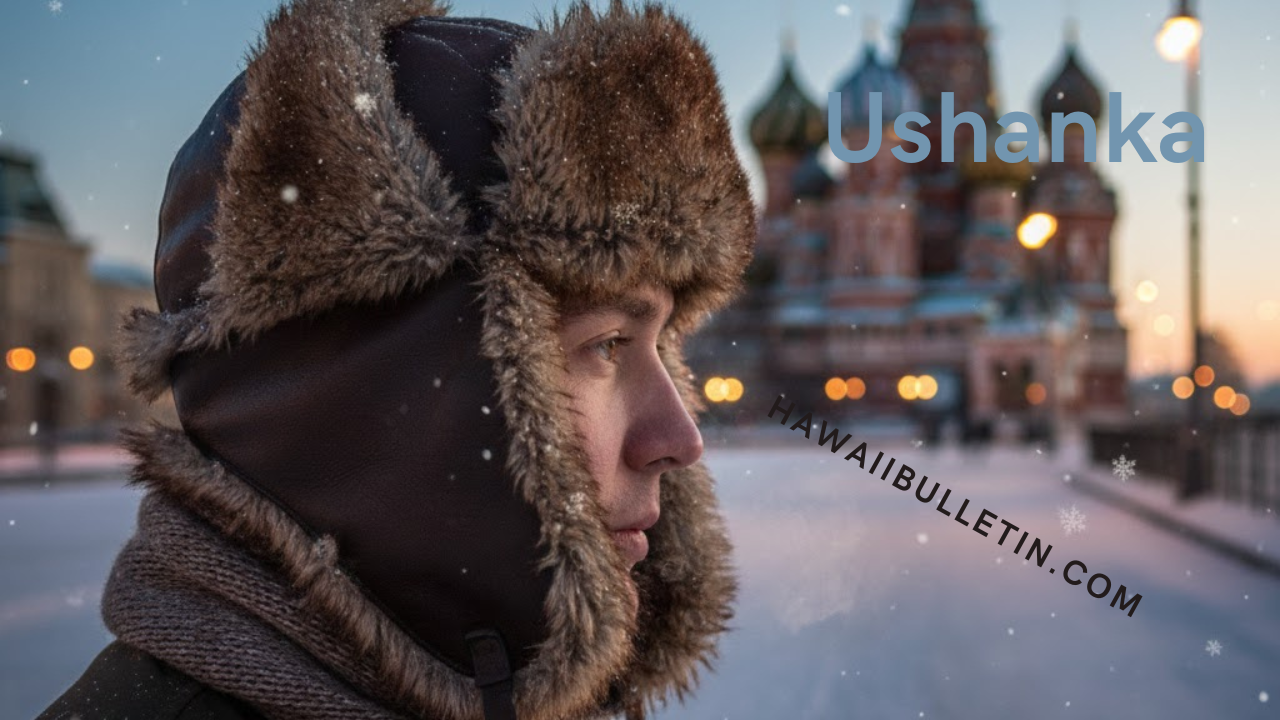
When the temperature drops and winter winds begin to howl, one hat stands out as a global symbol of warmth and resilience: the ushanka. This distinctive fur hat with ear flaps has evolved from its practical origins in Russia’s coldest regions to become a beloved winter accessory and a piece of cultural history recognized worldwide. Known for its unique design that provides unparalleled protection against the elements, the ushanka represents a perfect fusion of function, tradition, and style. In this comprehensive guide, we will explore the rich history of this iconic headwear, examine its construction and materials, and provide practical advice for choosing and caring for your own authentic Russian winter hat. Whether you’re facing a harsh northern winter or simply appreciate timeless cold-weather fashion, understanding the ushanka will give you new appreciation for this remarkable piece of practical design.
The History and Evolution of the Ushanka
The story of the ushanka begins long before it became internationally recognized. The concept of a fur hat with ear-covering flaps has been known for centuries in cold climates, but the distinctive rounded-crown design we recognize today began to take shape in 17th-century Russia. This early version, known as a treukh (meaning “three-eared”), featured two ear flaps and a back flap, offering comprehensive protection for the wearer’s head and neck.
The modern ushanka’s development was significantly influenced by military needs and cross-cultural exchange:
-
Early 20th Century Development: The modern ushanka design from 1917 drew inspiration from Norwegian arctic explorers’ hats (norvezhka), which featured much longer ear flaps than previous Russian designs.
-
Military Adoption: The pivotal moment in ushanka history came during the Winter War between the Soviet Union and Finland (1939-1940). Soviet soldiers suffered terribly from the cold while wearing inadequate felt budenovka hats. In contrast, Finnish soldiers were equipped with effective fur hats called turkislakki (literally “fur hat” in Finnish), which had been introduced in 1936. Observing this advantage, the Red Army completely redesigned its winter uniforms after the war, replacing the budenovka with ushankas based on the Finnish example.
-
Global Spread: Following World War II, the ushanka became identified with Soviet rule and was issued to armies throughout the Warsaw Pact. Its effectiveness led to adoption by various Western military and police forces in cold climates, including Canada, the United States, Germany, and Finland. Even British airmen stationed in Arctic regions during WWII reportedly adopted ushankas because their standard-issue hats provided insufficient warmth.
The ushanka’s name comes from the Russian word ushi, meaning “ears”—an appropriate name for a hat specifically designed with protective ear flaps. This ear-flap hat has inspired numerous variations worldwide while maintaining its distinctive Russian identity.
Materials and Construction: From Authentic Fur to Modern Alternatives
The warmth, durability, and appearance of an ushanka depend significantly on its materials. Traditional ushankas use various natural furs, while modern versions offer synthetic alternatives that provide similar warmth with different ethical and practical considerations.
Traditional Natural Fur Options
Historically, ushankas were crafted from locally available animal furs, each with distinct characteristics:
-
Sheepskin (Mouton or Tsigeyka): One of the most common materials, especially for military-issue ushankas. Officer-grade hats in Russian and Soviet forces were typically made from mouton sheepskin or lambskin. The wool provides excellent insulation while the leather offers durability.
-
Karakul: A luxurious fur from specific sheep breeds, known for its tight, curly pattern. Karakul ushankas represent a higher-end traditional option.
-
Rabbit Fur: Widely used for civilian ushankas, rabbit fur offers good warmth at a more accessible price point.
-
Arctic and Specialty Furs: For extreme cold, ushankas have been made from mink, muskrat, arctic fox, and even beaver fur. Mink fur ushankas, for instance, are particularly valued in Arctic regions of Russia for protecting against temperatures as low as -70°C (-94°F).
Modern and Synthetic Materials
As manufacturing evolved and ethical considerations changed, alternative materials emerged:
-
Artificial Fur (“Fish Fur”): The Soviet military often issued ushankas made from artificial fur to regular soldiers, referred to colloquially as “fish fur” since the material didn’t come from animals. Today, high-quality synthetic furs effectively mimic real fur’s appearance and warmth.
-
Wool and Fabric Blends: Contemporary fashion ushankas, like Kangol’s Wool Ushanka, combine Melton wool with faux fur and satin lining, offering style and warmth without animal products.
-
Recycled Fur: Some modern manufacturers, particularly in North America, use recycled fur from second-hand coats to create ushankas, addressing ethical concerns about new fur production.
Table: Common Ushanka Materials and Their Characteristics
| Material | Warmth Level | Durability | Typical Use | Price Range |
|---|---|---|---|---|
| Sheepskin (Mouton) | Very High | Excellent | Military, Traditional | $$$ |
| Rabbit Fur | High | Good | Civilian, Fashion | $$ |
| Artificial Fur | Medium-High | Good | Fashion, Budget Military | $ |
| Wool Blend | Medium | Very Good | Fashion, Casual | $$ |
| Karakul | Very High | Excellent | Luxury, Traditional | $$$$ |
How to Wear an Ushanka: Versatility in Style
One of the ushanka’s most practical features is its adjustable ear flaps, which allow for multiple wearing styles depending on weather conditions and personal preference. This versatility explains why this Russian fur hat remains practical across various activities and temperature ranges.
The Three Classic Wearing Styles
-
Maximum Warmth (Chin-Tied): For extreme cold, wind, or snow, tie the flaps securely under your chin. This provides complete coverage for your ears, jaw, and lower chin—the very protection the ushanka was originally designed to provide. This style is essential in what Russians call “deep frost” conditions.
-
Classic Style (Crown-Tied): In moderately cold weather or when you need better peripheral vision, you can tie the flaps up to the crown of the hat. This style maintains the ushanka’s distinctive silhouette while keeping the flaps accessible if conditions worsen.
-
Ski-Style (Back-Tied): For active pursuits like skiing or when you need optimal visibility, bend the flaps back and tie them behind your head. This “ski-style” offers less protection but significantly better visibility, making it popular for winter sports and military applications requiring situational awareness.
Cultural and Practical Considerations
The way of wearing an ushanka often carries cultural and practical significance. In the Russian military, for instance, whether to wear flaps up or down is typically specified as part of the uniform of the day by unit commanders. During World War II, British airmen reportedly kept the ear flaps tied up “because it was considered unmanly to wear them down,” despite adopting ushankas for their superior warmth.
Choosing Your Ushanka: A Buyer’s Guide
With numerous options available today, selecting the right ushanka involves considering several factors including materials, authenticity, intended use, and ethical preferences.
Authenticity vs. Style
-
Authentic Russian Ushankas: Genuine ushankas are traditionally made in Russia, Ukraine, or Belarus using locally sourced materials. These often represent the highest standard of craftsmanship for traditional designs.
-
Ushanka-Inspired Styles: Many Western adaptations exist, often called “trapper hats“—described as “a sort of hybrid between the aviator cap and the ushanka”. Brands like Kangol offer wool-and-faux-fur versions that capture the ushanka aesthetic while using different materials and construction.
Key Selection Factors
-
Climate Considerations: Match the ushanka’s materials to your typical winter conditions. For extreme cold, real fur or premium synthetics are worth the investment. For milder climates, wool or fabric blends may suffice.
-
Ethical Preferences: If you prefer not to wear animal products, many high-quality faux fur options exist. Alternatively, some manufacturers like Cotecuir Leather use recycled fur, which “upcycles good second-hand fur coats”.
-
Purpose: Consider how you’ll primarily use the hat. For outdoor work or winter sports, durability and functionality matter most. For fashion purposes, style and color may take precedence.
-
Fit and Comfort: A proper ushanka should fit snugly without being tight. Look for quality lining materials (like satin or fleece) for comfort, and check that the chin ties function smoothly.
Price Ranges and What to Expect
Based on current market offerings:
-
Budget Options ($30-$60): Typically faux fur or synthetic materials
-
Mid-Range ($70-$120): Real rabbit fur, good-quality sheepskin, or premium synthetics
-
High-End ($130-$200+): Premium furs like karakul, mink, or arctic fox; often authentic military-grade
Cultural Significance and Modern Usage
Beyond its practical function, the ushanka carries substantial cultural weight as a symbol of Russian and Soviet heritage while maintaining practical applications in modern contexts.
Military and Uniform Use
The ushanka remains standard winter headgear for numerous military and police forces worldwide:
-
Russian Federation: The Russian army announced updated ushanka designs in 2013 featuring a rounder crown and small sealable openings in the flaps for wearing headphones.
-
Finland: The Finnish Defence Forces use different colored ushankas for various branches—gray with the M62 uniform, green with M91 and M05 winter dress, black for armored troops (M92), and white M39 hats for generals.
-
Canada: The Royal Canadian Mounted Police wear muskrat fur ushankas as part of their winter uniform[citation:10]. Toronto Transit Commission staff also use similar hats during winter months.
-
United States: Various agencies including the U.S. Coast Guard and Postal Service use blue ushankas, while civilian police often wear gray versions.
Cultural Symbolism
The ushanka appears in numerous cultural contexts:
-
In Chinese culture, a similar hat worn by the People’s Liberation Army is often called “the Lei Feng hat” after an iconic propaganda image.
-
The hat frequently appears in films and media set in cold climates or depicting Russian characters, often serving as visual shorthand for extreme cold or Soviet/Russian identity.
-
For many in post-Soviet states, the ushanka evokes complex memories of the Soviet era while remaining practical winter wear.
Caring for Your Ushanka
Proper maintenance ensures your ushanka remains functional and attractive for many winters:
-
Fur Hats: Keep away from direct heat sources. Brush gently with a specialized fur brush. Professional cleaning is recommended for significant soilage.
-
Faux Fur and Fabric Hats: Most can be spot cleaned with a damp cloth. Check manufacturer instructions for washing recommendations—some may be hand-washable.
-
General Care: Store in a cool, dry place during off-seasons. Use a hat form or stuff with acid-free tissue to maintain shape. Protect from moths with natural deterrents like cedar.
Conclusion: More Than Just a Winter Hat
The ushanka hat represents a remarkable convergence of practical design, cultural history, and adaptive fashion. From its origins in Russia’s frigid landscapes to its adoption by militaries worldwide and its current status as both functional winter gear and style statement, this ear-flap hat has proven its value across centuries and continents. Whether you choose an authentic Russian fur ushanka, a modern synthetic version, or a fashion-forward interpretation, you’re participating in a longstanding tradition of practical cold-weather preparation. The ushanka’s enduring appeal lies in its perfect balance of form and function—it doesn’t just protect against the cold; it does so with distinctive style that tells a story of cultural heritage and human ingenuity in facing nature’s challenges.