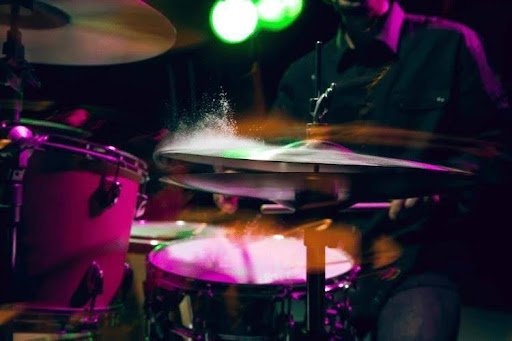
Session drumming is a specialized role in modern music production. Session drummers are hired to record drum parts for artists, producers, and studios rather than perform as permanent band members. Their work appears across albums, films, television, and digital media. The goal is simple but demanding. Deliver drum parts that support the song, meet creative direction, and stay consistent under recording conditions.
Understanding the Role of a Session Drummer
A session drummer steps into a project with limited rehearsal time and clear expectations. In many cases, the drummer receives a demo or chart and is expected to build a suitable drum part quickly. The work may take place in a commercial studio or through remote recording setups.
Session drummers are often chosen for their reliability and musical awareness. Producers look for players who can deliver usable takes without extended direction. The ability to follow instructions and stay focused is as important as skill behind the kit.
Time, Groove, and Musical Feel
Strong timekeeping is essential in session drumming. Producers rely on drummers to maintain steady tempo across multiple takes. Even small timing issues can slow down sessions and increase editing time.
Groove matters just as much as time. A session drummer must understand how different styles feel and how to adjust touch and placement accordingly. The groove should feel natural and consistent from start to finish.
Key elements of strong groove control include:
- Maintaining steady tempo with or without a click track
- Locking in tightly with bass and rhythm instruments
- Controlling dynamics without losing feel
Drummers who master time and groove make recording sessions more efficient and enjoyable.
Musical Restraint and Song Awareness
Session drumming is about serving the music. Many recordings require simple parts that support vocals and melodies rather than complex patterns. Knowing when to play less shows musical maturity.
A drummer must listen carefully to the song structure and understand where energy should rise or fall. Fills should add value and never distract from the main arrangement.
Musical restraint involves:
- Choosing parts that fit the style and mood
- Leaving space during verses
- Building intensity naturally in choruses
Producers trust drummers who understand the balance between contribution and restraint.
Learning Material Quickly and Making Adjustments
Studio sessions move at a fast pace. Drummers are expected to learn songs quickly and perform them with confidence. Often, changes happen during recording, and flexibility becomes critical.
A session drummer must absorb instructions clearly and respond without frustration. This ability keeps sessions on schedule and builds strong professional relationships.
Important adaptability skills include:
- Interpreting demos after a few listens
- Adjusting grooves or tempos when requested
- Staying composed during revisions
Quick learning and adaptability separate strong session drummers from average ones.
Reading Skills and Chart Awareness
While not every session requires reading, chart knowledge is a valuable skill. Many professional sessions use lead sheets or number systems to guide performances.
Being comfortable with charts allows drummers to follow structures accurately and avoid mistakes during recording. Creating simple personal charts also helps maintain consistency across takes.
Useful chart related abilities include:
- Understanding basic drum notation
- Following song cues and written accents
- Tracking arrangements with confidence
These skills save time and reduce errors during recording sessions.
Versatility Across Musical Styles
Session drummers are expected to work across many genres. Each style comes with its own rhythmic feel and sound expectations.
A versatile drummer understands how to approach:
- Pop and rock recordings
- Funk and groove based music
- Jazz and swing influenced tracks
- Country and acoustic arrangements
Listening to a wide range of music helps drummers adapt their playing style quickly and naturally.
Sound Control and Consistent Tone
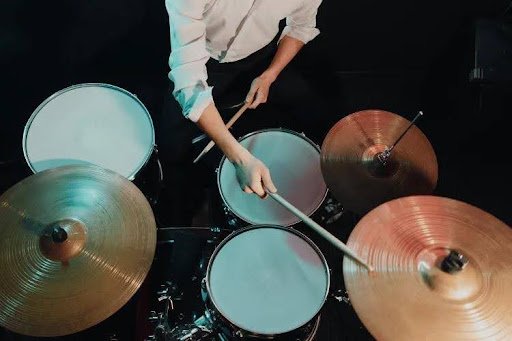
Recording environments reveal every detail of a performance. Session drummers must control tone and dynamics carefully to produce clean, even sounds.
Consistent tone comes from proper technique and awareness of how drums respond to touch. Uneven hits or uncontrolled cymbal ringing can complicate mixing.
Good sound control includes:
- Even stroke technique
- Balanced volume across the kit
- Controlled cymbal use
Engineers appreciate drummers who deliver tracks that are easy to work with.
Equipment Preparation and Setup Awareness
Professional preparation is expected in session work. Drummers should arrive with well maintained equipment and a setup that allows consistent performance.
Knowing how gear affects sound helps drummers respond to session needs. Certain projects may call for dry tones, softer cymbals, or specific snare sounds.
Session preparation often includes:
- Properly tuned drums
- Quiet hardware
- Suitable sticks and heads
Being prepared saves time and builds trust with studio staff.
Studio Etiquette and Communication
Session drumming requires strong interpersonal skills. Drummers must communicate clearly and respect the creative direction of producers and artists.
Good studio behavior creates a positive working environment and increases the chances of future work. Staying patient during long sessions reflects professionalism.
Strong studio etiquette includes:
- Arriving on time and prepared
- Listening carefully to feedback
- Maintaining a focused attitude
Many producers rehire drummers who are easy to work with and reliable.
Comfort With Click Tracks and Recording Pressure
Playing to a click track is common in session work. Drummers must stay locked in while maintaining a natural feel.
Recording can also be mentally demanding. Microphones capture every detail, and repeated takes can create pressure. Session drummers must stay focused and confident throughout the process.
Regular recording practice helps build comfort and consistency under these conditions.
Tom: Experienced Session Drummer and Trusted Drum Tutor in London
Tom is a London based freelance drummer and drum tutor with two decades of professional experience. His career includes extensive live performance work with artists across the UK and Europe, as well as session recording in leading London studios. He has collaborated with artists signed to major record and publishing labels, contributing to releases on respected independent labels. His recorded work has reached a wide global audience, earning millions of streams on major digital platforms.
Alongside his session and live work, Tom London Drummer provides drum lessons that London students rely on for clear, structured learning. He teaches beginners through intermediate players, offering lessons for adults and younger students in private settings, schools, and academies. His teaching and performance focus centers on Hip Hop, Jazz, Soul, Funk, and Pop, and he is available for gigs, tours, and studio sessions.
Conclusion
Session drumming demands a combination of musical skill, adaptability, and professional behavior. Strong timing, tasteful playing, and the ability to work efficiently in studio environments define successful session players.
By developing these skills, drummers can build trust, expand their opportunities, and establish lasting careers as session musicians.