
Introduction: What is Dry Socket and Why Prevention is Crucial
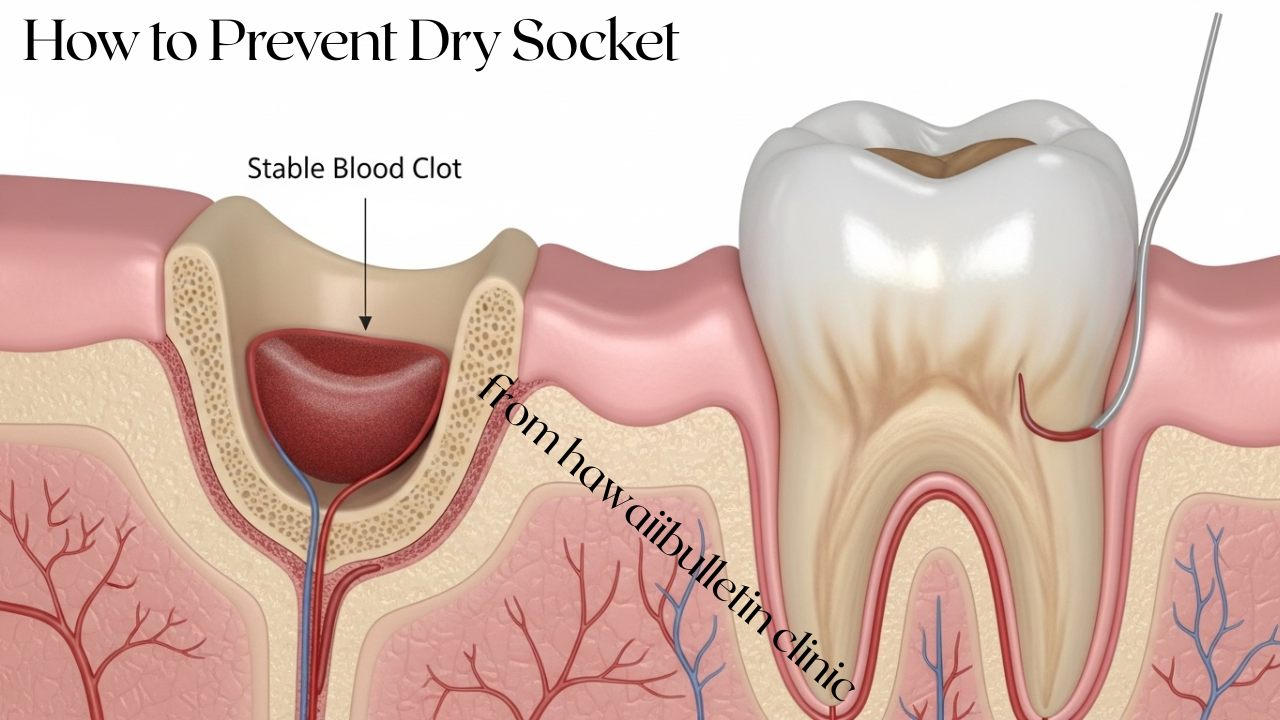
If you’re facing a tooth extraction, particularly of a wisdom tooth, you’ve likely heard the dreaded term “dry socket.” Medically known as alveolar osteitis, this painful complication occurs when the protective blood clot at the extraction site becomes dislodged or dissolves prematurely. This exposes the underlying bone and nerves to air, food, and fluids, leading to intense, throbbing pain that often radiates to your ear and temple.
The statistics are compelling: while dry socket occurs in only 1-5% of routine extractions, the risk jumps to 20-35% following the removal of impacted wisdom teeth. The good news? Learning how to prevent dry socket is your most powerful tool for a smooth recovery. Prevention isn’t about luck; it’s about understanding the process and following a clear, actionable aftercare plan. This guide will walk you through every critical step, from the moment you leave the dentist’s chair to the day you’re fully healed.
Key Takeaways
-
Protect the Blood Clot: This is the single most important goal. Avoid all sucking actions (straws, smoking) and vigorous rinsing or spitting for the first week.
-
Follow the 24-Hour Rule: Rest absolutely, eat only cool soft foods, and keep your head elevated to support initial clot formation.
-
Know the Signs: Normal pain improves gradually. Intense, throbbing pain that starts 2-4 days post-extraction and radiates is a key warning sign of dry socket.
-
You Can Manage It: If dry socket occurs, it is treatable. Contact your dentist immediately for a medicated dressing that provides rapid pain relief.
The First 24 Hours: Your Critical Window for Prevention
The initial day after your extraction is the most important period for preventing dry socket. Your actions here set the stage for the entire healing process.
-
Protect the Blood Clot: Think of the blood clot as a natural bandage. Your primary goal is to leave it completely undisturbed.
-
Bite Down Firmly on Gauze: Your dentist will place sterile gauze over the site. Apply consistent, firm pressure by biting down for the recommended time—usually 45 minutes to an hour. If slight bleeding persists, you may replace the gauze. This pressure helps the clot form and stabilizes.
-
Absolute Rest: Go home and relax. Avoid any bending, lifting, or strenuous activity. Keep your head elevated with pillows, even while resting, to reduce blood pressure in the area.
-
Diet is Key: Consume only cool, soft foods like yogurt, applesauce, and lukewarm broth. Avoid anything hot, spicy, or requiring chewing. Do not use a straw. The suction created in your mouth is a primary cause of clot dislodgement, which is central to understanding how to prevent dry socket while drinking.
Your Week-Long Prevention Strategy: Daily Practices for Success
How long to avoid dry socket risks? The critical period is typically 5-7 days, as this is when the clot is most vulnerable before granulation tissue begins to form.
1. Master the Art of Gentle Eating and Drinking
-
The “No-Straw” Rule: This cannot be overstated. Avoid straws for at least one full week.
-
Swallowing Techniques: Many wonder about how to swallow to avoid dry socket. The key is to be mindful. Take small sips of water and swallow gently without creating a vacuum in your mouth. Turning your head slightly to the side not directly over the extraction site can also help.
-
Food Choices: Stick to a soft-food diet (mashed potatoes, scrambled eggs, smoothies eaten with a spoon) for the first 3-4 days. Gradually reintroduce semi-soft foods, chewing exclusively on the opposite side of your mouth.
2. Optimize Your Oral Hygiene Without Disturbance
-
Avoid the Site: Do not rinse, spit vigorously, or brush directly over the extraction socket for the first 24 hours.
-
Gentle Rinsing: After 24 hours, begin gentle salt water rinses. Mix ½ teaspoon of salt with 8 ounces of warm water. Tilt your head and let the liquid flow over the area, then passively let it fall into the sink. So, can salt water prevent dry sockets? It doesn’t prevent the initial clot from forming, but it is essential for keeping the area clean and free of infection once healing has begun, which supports the overall prevention strategy.
-
Careful Brushing: After the first day, you can brush your other teeth, but carefully avoid the surgical site for the first 3-4 days.
3. Navigate Sleep and Habits
-
How to prevent dry socket while sleeping: Sleep with your head elevated on extra pillows for the first 2-3 nights. This reduces throbbing and prevents pooling of blood and saliva. Try to sleep on the side opposite the extraction if possible.
-
The Smoking Dilemma: How to prevent dry socket while smoking starts with one strong recommendation: don’t. Nicotine restricts blood flow, impairing healing, and the sucking action is a direct ticket to dislodging the clot. If you must, discuss nicotine patches with your doctor and avoid smoking for a minimum of 72 hours, drawing as gently as possible if you resume.
-
Avoid Alcohol: Do not consume alcoholic beverages for at least 24 hours, as they can interfere with clotting and may irritate the wound.
Debunking Myths and Answering Your Top Questions
Let’s address some common queries and concerns, including those frequently searched on forums like how to prevent dry socket Reddit threads.
-
Does gauze prevent dry socket? Gauze is a first-aid tool, not a permanent shield. It applies pressure to help the initial clot form and controls bleeding. Leaving it in for too long or changing it excessively can actually disrupt the forming clot. Use it only as directed by your dentist.
-
When can I stop fearing dry socket? The peak risk period is between days 2 and 4 post-extraction. Once you’ve passed day 7-10 without severe pain, the socket is usually well into the granulation phase, and the risk plummets. However, continue gentle care for a full two weeks.
-
What are the warning signs of a dry socket? Be alert for: a throbbing, intense pain that starts 2-4 days after extraction (not immediately after anesthesia wears off), pain that radiates to your ear, eye, or neck, a visible empty-looking socket where the clot is missing, and sometimes an unpleasant taste or smell. Normal healing involves manageable, gradual pain improvement.
What to Do If You Suspect a Dry Socket
Despite best efforts, sometimes it happens. What to do if I get dry socket?
-
Don’t Panic. It is treatable.
-
Call Your Dentist or Oral Surgeon Immediately. They need to see you.
-
Expect Professional Care: The dentist will gently clean the socket and place a medicated dressing or paste inside. This dressing acts as a protective barrier, provides fast pain relief (often within minutes), and promotes healing. You may need it changed every few days until the pain subsides.
-
Follow Aftercare Instructions Meticulously: They will give you specific instructions and may prescribe pain medication or recommend a special mouth rinse.
Conclusion: Your Empowerment for a Smooth Recovery
Learning how to prevent dry socket is about proactive, informed self-care. It hinges on protecting that vital blood clot through mindful actions: avoiding suction, choosing soft foods, maintaining gentle hygiene, and modifying habits like smoking and sleeping posture. By following this step-by-step guide, you dramatically increase your odds of an uneventful, comfortable recovery.
Remember, your dental team is your partner. Always follow their specific post-operative instructions, as they are tailored to your unique procedure.