
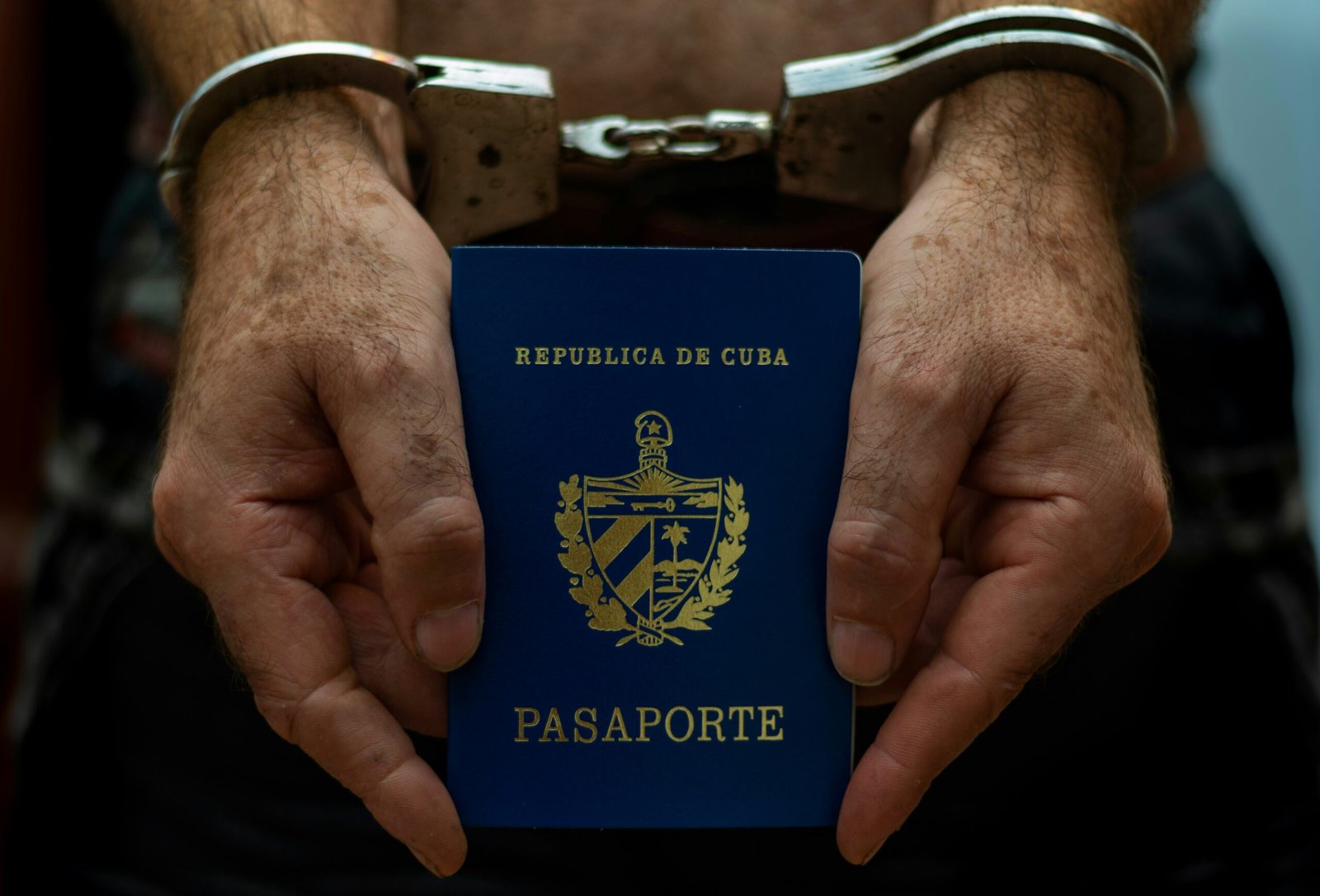
Navigating the world as a felon can be challenging, especially when it comes to travel. One common question that arises is: can a felon get a passport? The answer may not be as straightforward as you might think. Many believe that having a felony conviction automatically disqualifies individuals from obtaining this essential document. However, the reality is far more nuanced.
In this blog post, we will unravel the complexities surrounding passport applications for those with felony records. Whether you’re looking to explore new horizons or simply need identification for personal reasons, understanding your rights and options is crucial. Join us as we delve into the application process, restrictions, and steps necessary for securing a passport despite past convictions. Your journey toward freedom and exploration starts here!
Understanding the Passport Application Process for Felons
The passport application process for felons is largely similar to that of any other applicant. First, individuals need to gather essential documents like proof of citizenship, identification, and photographs.
While a felony conviction does not automatically bar you from obtaining a passport, certain conditions may apply. It’s important to be aware that specific crimes can affect eligibility. Offenses related to drug trafficking or international terrorism often raise red flags during the review process.
Applicants must complete Form DS-11 if applying in person and provide all required documentation. After submitting your application at an authorized acceptance facility, it will undergo processing by the U.
S. State Department.
Keep in mind that honesty is crucial when filling out these forms. Misrepresentation can lead to delays or denials, potentially complicating future travel opportunities further down the line. Understanding this process lays a solid foundation for moving forward with your plans.
Restrictions for Felons Applying for a Passport
Felons often face unique challenges when it comes to obtaining a passport. One key restriction is related to the nature of their convictions. If an individual is currently incarcerated or on supervised release, they may not be eligible.
Additionally, those with specific felony convictions linked to international drug trafficking or terrorism can find themselves outright barred from receiving a passport. The government takes these matters seriously and enforces strict guidelines.
It’s also important for felons who have pending criminal charges. These unresolved issues can complicate the application process further. Each case varies based on individual circumstances and legal standing.
Prospective applicants should consult legal advice if unsure about their eligibility. Understanding these restrictions helps navigate the complex landscape of obtaining travel documents while managing past offenses responsibly.
Steps to Take for Felons to Obtain a Passport
The process for a felon to obtain a passport can seem daunting, but it’s manageable with the right steps. First, gather all necessary documents. This includes photo identification and proof of citizenship.
Next, fill out Form DS-11: Application for a U.
S. Passport. Ensure accuracy in every detail to avoid delays.
Once your form is ready, you’ll need to schedule an appointment at a passport acceptance facility or post office that handles these applications.
During the appointment, submit your application along with supporting documents and payment for fees. Be prepared for any questions regarding your criminal history; transparency is essential.
Monitor your application status online after submission. Patience is key here; processing times may vary based on individual circumstances and workload at the passport agency.
Common Questions and Concerns for Felons and Passports
Many felons wonder if their criminal record will hinder passport approval. It’s a common concern, but the answer is not straightforward.
Most convictions do not automatically disqualify someone from obtaining a passport. However, certain serious crimes can lead to restrictions. It’s essential to know what applies to your situation.
Some may fear that applying for a passport could draw attention to their past. In reality, the process remains confidential and primarily handled by government officials.
Another frequent question revolves around overdue child support or federal offenses. These situations could complicate matters and might result in denial of issuance until resolved.
Misconceptions about needing to disclose all details on applications often arise. Generally, applicants only need to provide specific information regarding their felony status when asked directly during the application process.
Alternatives to Obtaining a Passport for Felons
For felons who find the passport application process daunting or impossible, there are alternatives for international travel. One option is to obtain a visa directly from the country you wish to visit. Some countries have more lenient entry requirements and may grant visas even with a felony record.
Another alternative is traveling by land or sea to nearby destinations. Many neighboring countries allow entry without a passport when crossing borders via road or ferry, provided you have valid identification like a state ID.
Additionally, consider using travel documents specific to certain situations. Refugees or individuals under asylum status can sometimes apply for these unique documents that permit international travel.
Reaching out to organizations that specialize in helping felons navigate legal issues may yield helpful resources and advice tailored specifically for your situation.
Importance of Having a Passport as a Felon
Having a passport as a felon opens up opportunities for travel and personal growth. It can serve as a tool for reintegration into society. Traveling allows individuals to explore new cultures, meet diverse people, and gain fresh perspectives.
A passport can also be essential when seeking employment. Many jobs require international travel or may prefer candidates with global experience. Having this document demonstrates responsibility and commitment to moving forward.
Moreover, possessing a passport can empower felons by providing them the freedom to make choices about their lives. It signifies that they are more than their past mistakes, embracing the future instead of being held back by previous convictions.
For those looking to reconnect with family abroad or visit friends in different countries, having a passport makes these connections possible. The ability to travel fosters healing and strengthens bonds that may have been strained due to incarceration.
Conclusion
Navigating the passport application process as a felon can be daunting, but it is not impossible. Understanding the specific restrictions and requirements is crucial to moving forward confidently. While certain convictions may present challenges, many individuals with felony records have successfully obtained passports by following proper procedures.
It’s essential for felons to take proactive steps when applying for their passport. This includes gathering necessary documentation and being aware of any potential legal hurdles they might face due to their past. Addressing common questions or concerns beforehand can help ease anxiety around the process and provide clarity on what to expect.
For those who find themselves unable to secure a traditional passport, alternatives do exist. Various travel documents may allow limited international movement without compromising personal circumstances further.
Having a valid passport opens doors that extend beyond mere travel; it symbolizes freedom and opportunity, especially for those looking to rebuild their lives post-conviction. The ability to explore new places or reconnect with loved ones abroad can significantly impact one’s journey toward reintegration into society.
Understanding your rights and options as a felon regarding obtaining a passport is vital in today’s world. Empowerment comes from knowledge—so equip yourself accordingly!