Before a viewer hears your voice or sees your personality, your intro does all the talking. It’s that initial handshake, the eye contact, the opening sentence. And because tools like Pippit now work as smoothly as an AI video generator free, creators at any level can craft intros that instantly feel credible, polished, and unforgettable.
Let’s break down the psychology behind those crucial first seconds — and how smart intro design determines whether a viewer stays, subscribes, or clicks away.
How your intro shapes viewer judgment in milliseconds
People don’t wait to decide if you’re trustworthy. There are brain scans lighting, color, pacing, sound, and structure before they even consciously process anything.
micro-judgment moments that are instantaneous
-
Professional Introduction? → “This creator is reliable.”
-
Messy intro? → “Probably not worth my time.”
-
Clear branding? → “Feels like a real channel.”
-
Confusing visuals? → “I don’t get the vibe.”
This is unconscious. The viewer never announces it. But it dictates what they do next.
The Emotional Anchor Effect: Intros Create A Feeling Before Your Content Does
Unlike the rest of your video, which gradually builds mood, an intro hits emotionally on impact.
A warm introduction
Comforting, safe, and familiar; great for lifestyle, study, wellness, or commentary.
A sharp, fast intro
Sparks excitement – great for gaming or high-energy creators.
A minimalist intro
Signals clarity and intelligence: usually employed by tech, productivity, or educational channels.
Your intro becomes the fastest emotional dial you can turn
why a “first-second identity” increases your overall viewer loyalty
Some creators think intros are decorative. Psychologically, they’re structural.
Here’s what’s actually happening in the viewer’s mind:
-
Consistency = predictability
The viewer starts to anticipate your opening. Anticipation cultivates loyalty because the brain loves patterns.
-
Identity = memory
Repetition of tones, colors, or a motion style helps viewers instantly recognize your content, even when they scroll past it later.
-
Familiarity = trust
When one knows what they are about to encounter, the brain relaxes. Relaxation equals retention.
A great intro doesn’t just start your video, it trains your audience to feel something when they see you again.
How AI transforms loyalty psychology into an actual intro
Let’s be honest: most creators don’t know how to animate, edit, or color-grade. But AI tools take that technical burden off your shoulders so you can focus on psychological impact instead.
What AI handles for you
-
Automatically choosing pacing that fits your vibe
-
Generating motion graphics and transitions
-
Matching your palette to your niche
-
Creating expressive avatar moments-especially with the AI lip sync
-
Turning your personality keywords into visual direction
What you focus on
-
How you want them to feel about you
-
The emotion your intro should invoke
-
The story your brand is trying to tell
You bring intention. AI brings execution.
When intros become memory triggers: The brain loves cues
Think about Netflix’s “ta-dum.” Or Disney’s castle animation. Or Marvel’s flipping comic pages.
Why are they so iconic?
It’s because the brain connects the intro to the experience.
That’s what a YouTube intro does, albeit on a smaller scale.
Memory cues you can make for yourself, using a standard introduction:
-
A transitional signature
-
There is a recurring color wash
-
A recognisable sound tag
-
Unique motion style
-
A micro-slogan-catching
These details become your psychological signature-small but unforgettable.
Where creators go wrong and how to avoid it
A few mistakes instantly break viewer trust:
-
Introductions that are too long: Any time over 5 seconds feels like a chore.
-
Intros that don’t match the vibe of the channel: A study channel should be cozy and not have EDM glitch; a gaming channel shouldn’t open with soft piano petals.
-
Randomly changing intros in every few videos: This confuses the viewer’s mental model of your channel.
-
Overuse of chaotic animation: People confuse “eye-catching” with “overwhelming”. Your intro should guide the viewer and not attack them.
Enter Pippit: The path of least resistance to a loyalty-building intro
No editing degree. No motion graphics experience. No overwhelm. Just structured creativity.
Pippit lets you turn your psychology-based plan into an intro that feels intentional, professional, and on-brand using a YouTube intro maker. Time to build one.
Step 1: Upload media for intro to YouTube maker
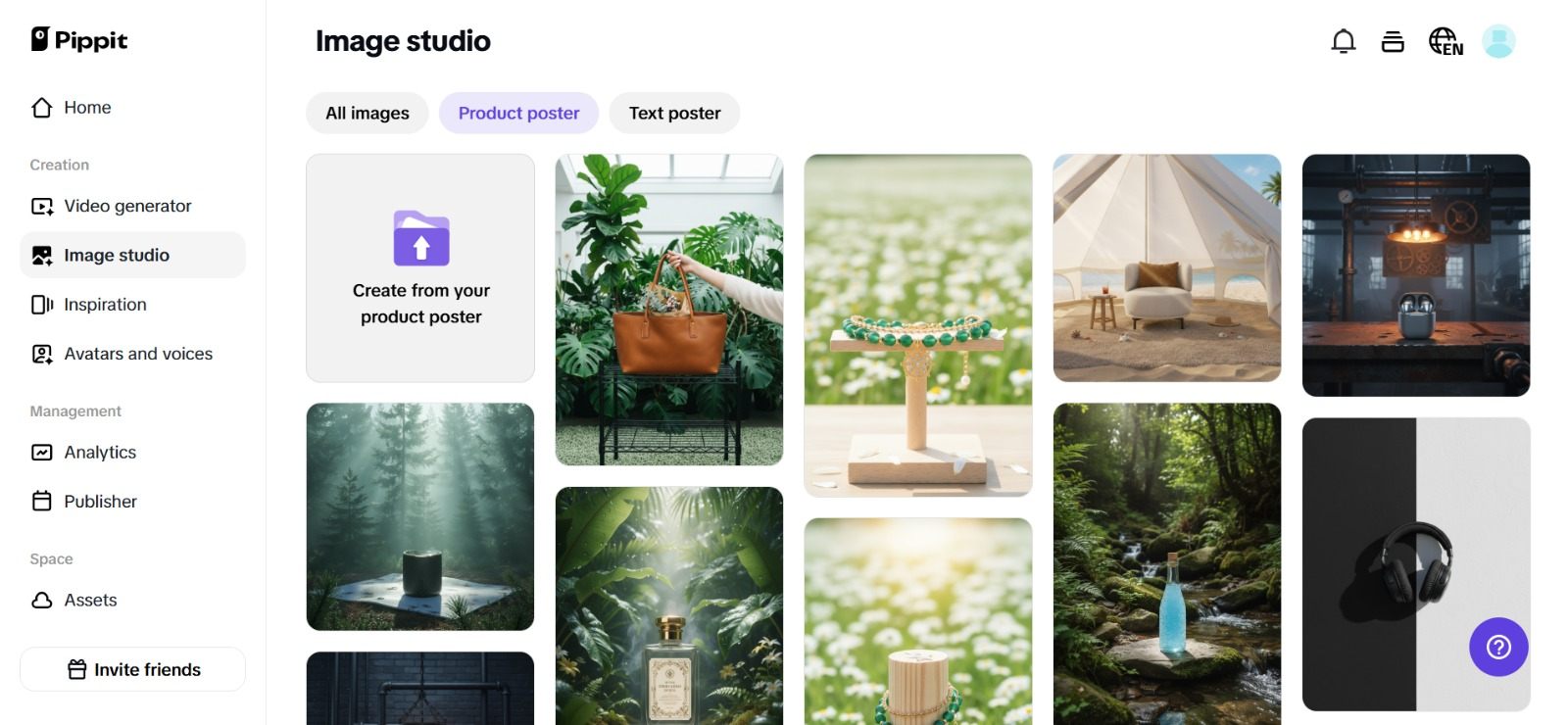
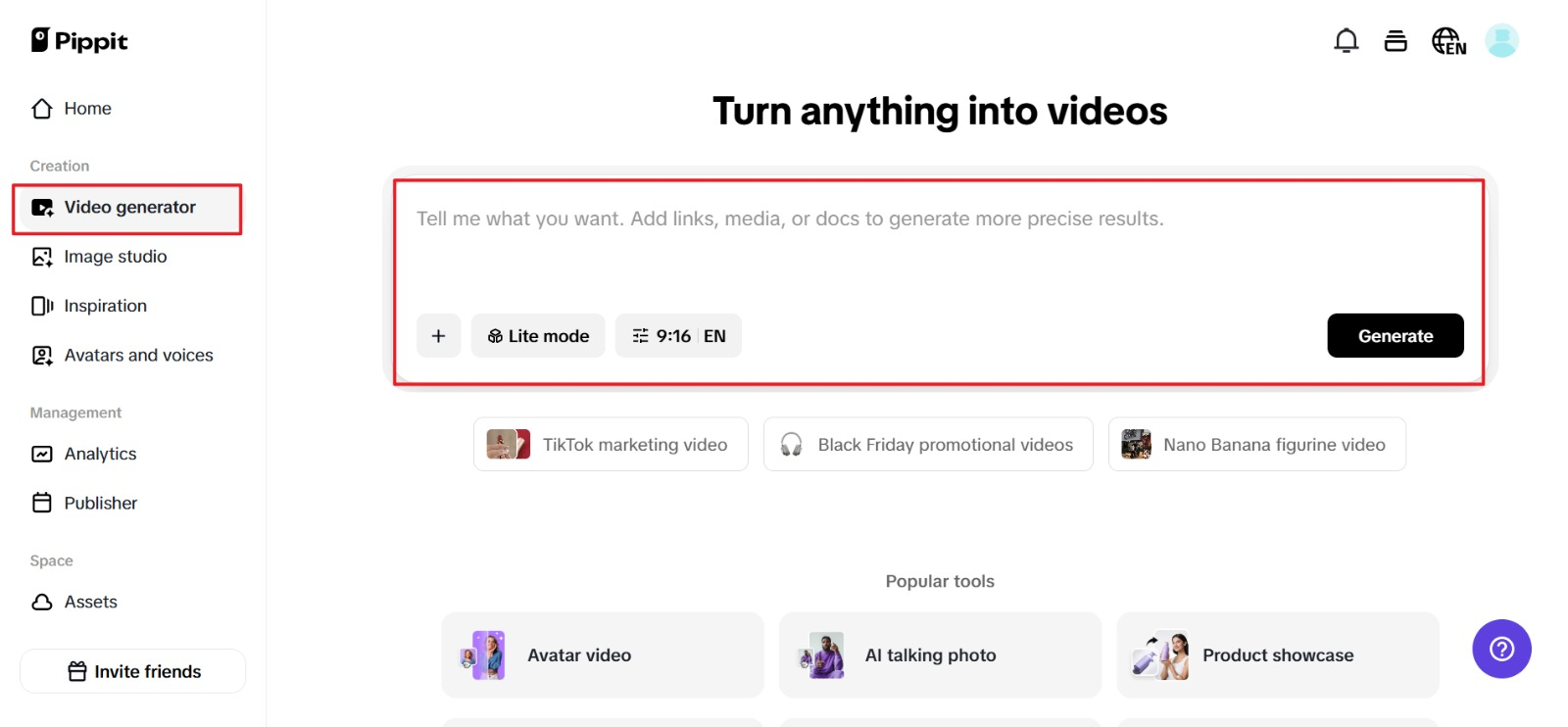
Open the Pippit intro maker and sign up for a new account. Click “Video generator” and either paste your product link or choose “Add media” to upload your clips or images. Type in the product highlights. Click “More information” to define the target viewer so that the style will match the psychology of your audience. Add your logo, then click “Generate” to create the first draft of your intro.
Step 2: Refine the YouTube intro
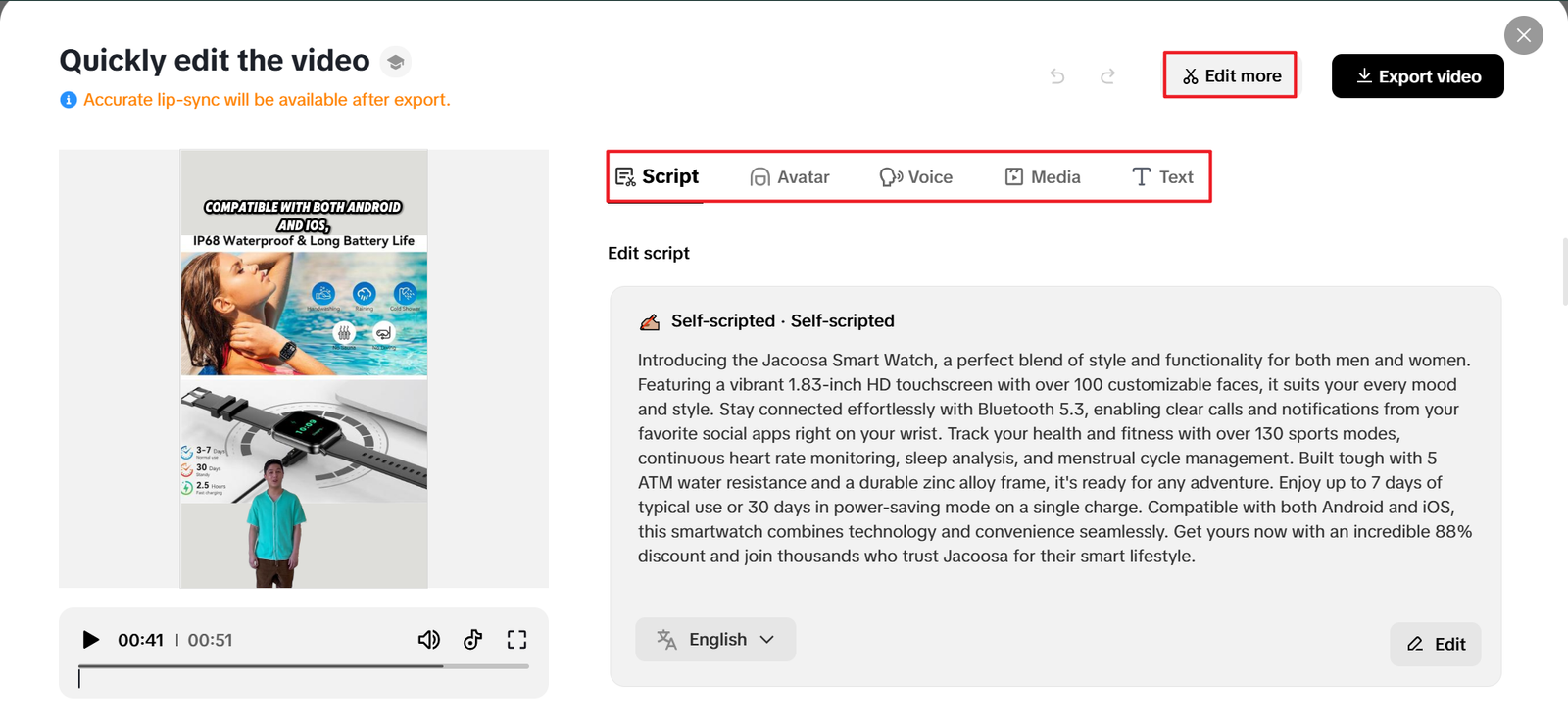
Once the draft loads, click “Quick edit” to adjust the caption style, script tone, voiceover character, and avatar if your intro uses one. Click “Edit more” if you want deeper customization. Here, you can merge the intro with your main video, add transitions that feel more in line with your emotional tone, and switch to the 16:9 aspect ratio so that it perfectly fits YouTube.
Step 3: Export the YouTube intro to your device
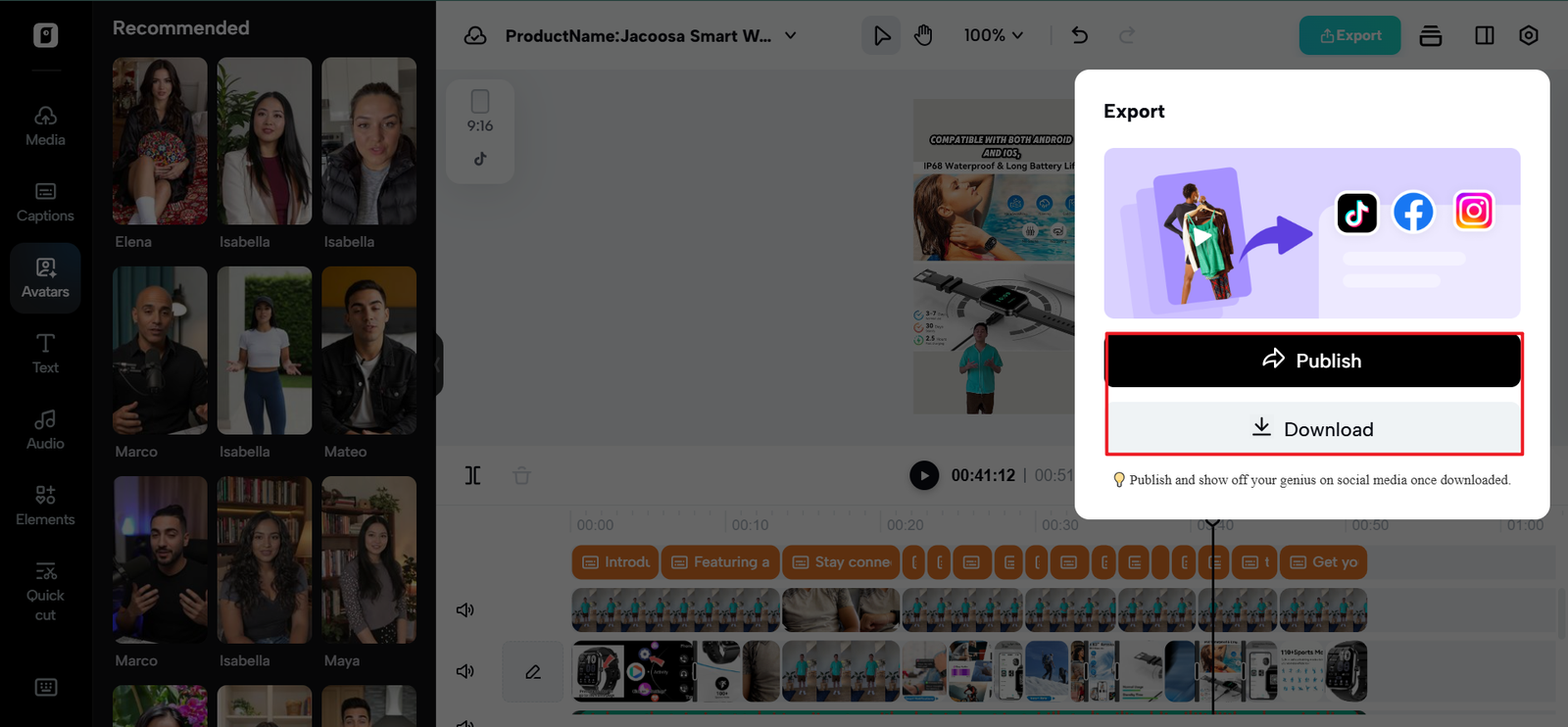
When your intro feels loyal, professional, and psychologically aligned, click “Export.” Choose “Download” and set your format, frame rate, quality, and resolution. Click “Export” again to save it to your device. Now, upload it into your YouTube video and let the first impression work its magic.
Your first impression starts now — and Pippit gives you the advantage
A powerful intro doesn’t just make your video look better, it makes your audience trust you more, remember you more, and come back to you more. Build viewer loyalty from frame one with Pippit, which provides everything one needs to do so in a stress-free manner, without knowledge of editing or highly expensive software.