
 By Word Whimsy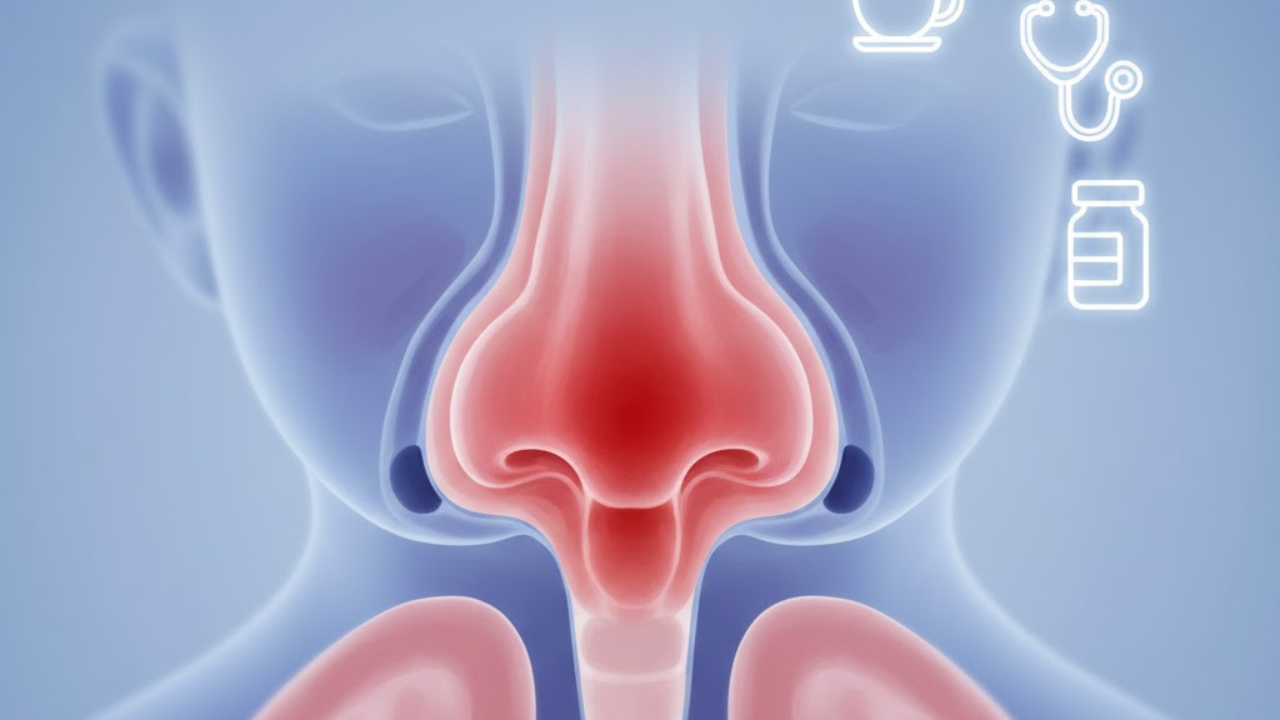
Adenoiditis might not be a term you hear every day, but it’s an issue many face, especially children. So what exactly is this condition? Simply put, adenoiditis refers to the inflammation of the adenoids—small glands located at the back of your throat. These tiny tissues play a crucial role in your immune system by fighting off infections. However, when they become swollen or infected themselves, it can lead to discomfort and various health concerns.
If you’ve noticed persistent sniffles in your little one or have been experiencing chronic sore throats yourself, understanding adenoiditis could shed light on those symptoms. Join us as we dive into what causes this condition, how it can be diagnosed and treated, and some natural remedies that may offer relief. Whether you’re concerned for yourself or someone you care about, knowledge is key when it comes to tackling adenoidid effectively!
Common Symptoms of Adenoiditis
Adenoiditis can manifest through various symptoms, often making children particularly uncomfortable. One of the most noticeable signs is nasal congestion. Swelling of the adenoids can block airflow, leading to difficulty in breathing through the nose.
Persistent sore throat and ear pain are also common issues associated with this condition. The inflammation may irritate surrounding tissues, causing discomfort that lingers.
Another symptom is a frequent cough, which might worsen at night. This happens as mucus accumulates and drips down the back of the throat.
Some children may exhibit snoring or disrupted sleep patterns due to airway obstruction during rest. Fatigue often results from inadequate sleep caused by these disturbances.
Recurring sinus infections or respiratory illnesses tend to accompany adenoiditis, highlighting its impact on overall health and well-being. These symptoms together create a challenging experience for both children and parents alike.
Causes and Risk Factors
Adenoiditis often arises from infections. The most common culprits are viruses and bacteria that invade the adenoids, leading to inflammation.
Children are particularly susceptible. Their immune systems are still developing, making them more likely to contract these infections. Frequent colds or respiratory illnesses can increase the risk of adenoid enlargement.
Allergies and environmental irritants play a role as well. Exposure to smoke, pollution, or allergens can trigger swelling in the adenoids.
Genetics might also contribute. If a family has a history of respiratory issues or frequent ear infections, their children could be at greater risk for developing adenoiditis.
Certain conditions like sinusitis may exacerbate symptoms too. This interconnectedness means that addressing one issue may help alleviate another within the upper respiratory system.
Diagnosing Adenoiditis
Diagnosing adenoiditis typically starts with a thorough medical history and physical examination. Doctors often ask about symptoms, including frequent nasal congestion, snoring, or recurrent ear infections.
A visual inspection of the throat can reveal swollen adenoids. In some cases, healthcare providers may use endoscopy to get a clearer view inside the nasal passages and throat.
Imaging tests like X-rays can also help determine the size of the adenoids. These insights guide clinicians in understanding how much they might be contributing to breathing difficulties or other related issues.
Allergy testing may be recommended if allergic reactions are suspected as a cause for inflammation. Identifying triggers is essential for effective treatment planning going forward.
Treatment Options for Adenoiditis
When it comes to treating adenoiditis, several options are available depending on the severity of the condition. For mild cases, doctors often recommend over-the-counter pain relievers and anti-inflammatory medications. These can help reduce discomfort and swelling.
If symptoms persist or worsen, antibiotics may be prescribed to tackle any bacterial infection. It’s crucial to follow your healthcare provider’s instructions when using these medications.
In more severe situations, particularly if breathing is compromised, surgical removal of the adenoids might be necessary. Adenoidectomy is a common procedure that can provide significant relief for chronic sufferers.
Alternative therapies also exist. Some people find relief through steam inhalation or saline nasal sprays that can soothe inflamed tissues in the throat and nasal passages. Each treatment approach should be tailored to individual needs for optimal results.
Natural Remedies for Adenoiditis
Natural remedies can provide relief from the discomfort associated with adenoiditis. One effective option is saline nasal irrigation. This simple method helps clear mucus and reduce inflammation in the nasal passages.
Herbal teas, like chamomile or peppermint, are also beneficial. They possess soothing properties that may alleviate throat irritation and promote relaxation.
Honey is another natural remedy worth considering for its antibacterial qualities. Adding a teaspoon to warm water can soothe a sore throat and enhance immunity.
Steam inhalation can be surprisingly effective too. Inhaling steam from hot water infused with eucalyptus oil can help open up blocked airways, making breathing easier.
Maintaining hydration is crucial. Drinking plenty of fluids supports overall health and keeps mucus thin, which aids in better drainage from swollen tissues around the adenoids.
Prevention Tips
Preventing adenoiditis involves a few proactive measures. Keeping your environment clean is essential. Regularly dust and vacuum to minimize allergens that can trigger respiratory issues.
Encouraging good hygiene habits in children plays a vital role as well. Teach them to wash their hands frequently, especially before meals and after being outdoors. This simple act can greatly reduce the spread of germs.
A healthy diet rich in vitamins can bolster the immune system. Incorporate fruits, vegetables, and whole grains into daily meals to provide essential nutrients.
Stay alert for allergies or frequent colds in your child. Addressing these promptly with medical guidance may help prevent further complications related to adenoiditis.
Ensure regular check-ups with healthcare professionals. Early detection of respiratory issues allows for timely interventions that could lower the risk of developing adenoid-related conditions.
Conclusion
Adenoiditis is an inflammation of the adenoids, often caused by infections or allergies. Understanding this condition can empower you to identify symptoms early and seek appropriate care.
Common signs include nasal congestion, snoring, difficulty breathing through the nose, and recurrent ear infections. Recognizing these symptoms quickly can lead to timely intervention.
Several factors contribute to the onset of adenoiditis. Viral or bacterial infections are typical culprits, while allergies may exacerbate the situation in some individuals. Knowing these risk factors helps manage expectations.
Diagnosing adenoiditis usually involves a physical examination and sometimes imaging tests like X-rays. An ENT specialist plays a crucial role in assessing your child’s health if they exhibit persistent symptoms.
Treatment options vary from antibiotics for bacterial cases to corticosteroids for reducing inflammation. In some situations where chronic issues arise, surgical removal of the adenoids might be necessary.
Natural remedies also serve as supportive measures alongside traditional treatments. Gargling with saltwater or using humidifiers can soothe irritation and improve comfort levels during recovery.
Preventing future occurrences centers around maintaining good hygiene practices such as regular hand washing and avoiding known allergens when possible.
Understanding adenoiditis equips parents with knowledge about their children’s health needs. Staying vigilant about symptoms offers reassurance that proactive steps can be taken toward better respiratory wellness.